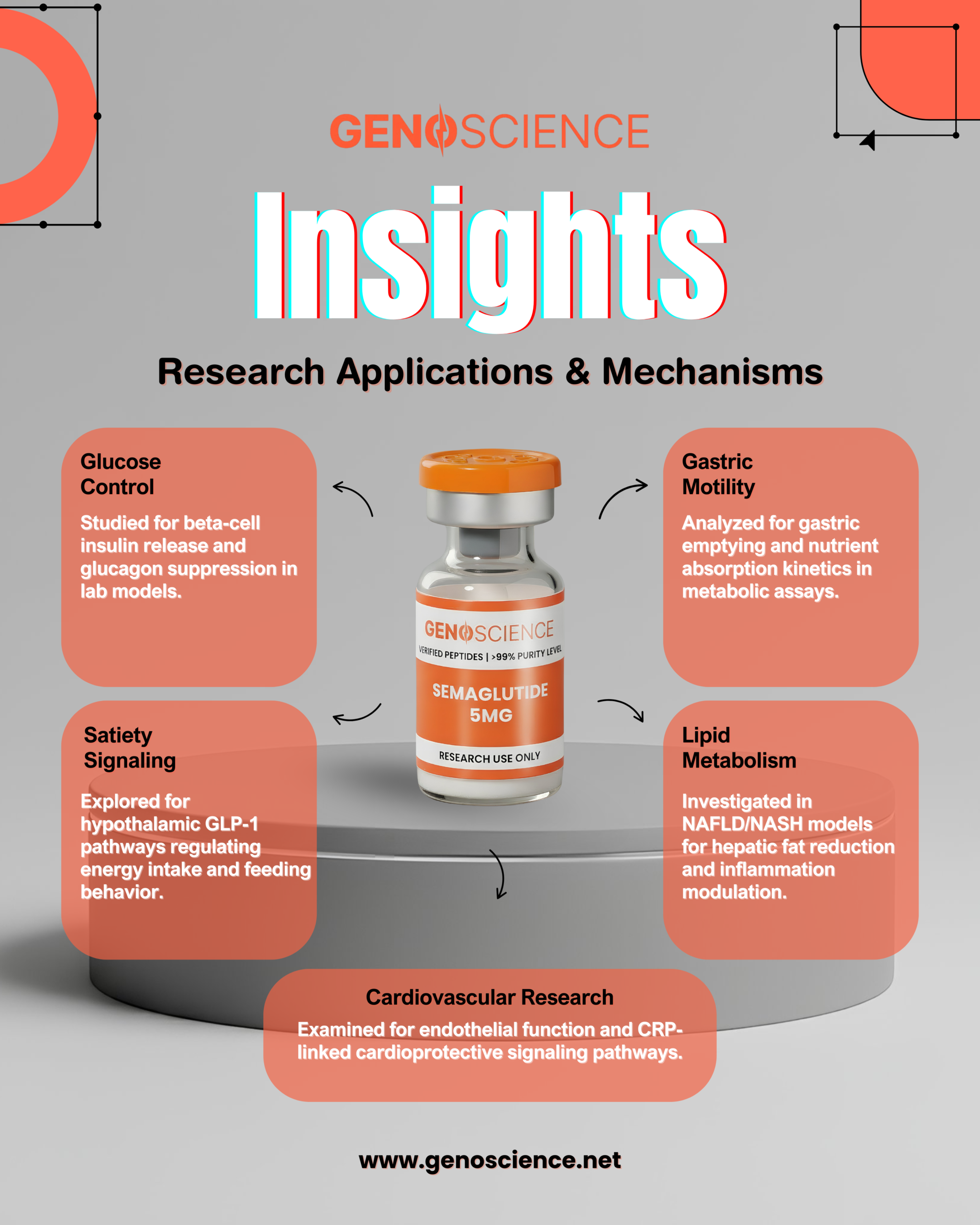
- Glucose Homeostasis & Beta-Cell Function Semaglutide is the primary reference standard for researching glucose-dependent insulin secretion. Laboratory models utilize this peptide to observe its interaction with pancreatic beta-cells. Research indicates that upon binding to the GLP-1 receptor, Semaglutide stimulates the release of insulin only when glucose levels are elevated, while simultaneously suppressing inappropriate glucagon secretion from alpha-cells. This “smart” mechanism is central to studies on Type 2 Diabetes pathophysiology.
- Gastric Motility & Nutrient Absorption A key area of investigation involves the role of GLP-1 signaling in the gastrointestinal tract. Semaglutide is used to model the deceleration of gastric emptying (the rate at which the stomach empties its contents into the small intestine). Researchers utilize this mechanism to study post-prandial glucose excursions and the kinetics of nutrient absorption in metabolic syndrome models.
- Neuroendocrine Regulation (Satiety Signaling) Semaglutide is extensively studied for its ability to cross the blood-brain barrier and interact with specific regions of the hypothalamus (such as the arcuate nucleus). Research focuses on mapping the neural pathways that govern satiety and energy intake. By activating central GLP-1 receptors, the peptide serves as a tool for dissecting the neurobiological controls of “hedonic” vs. “homeostatic” feeding behaviors.
- Hepatic Lipid Metabolism In models of Non-Alcoholic Fatty Liver Disease (NAFLD) and Non-Alcoholic Steatohepatitis (NASH), Semaglutide is investigated for its potential to reduce hepatic fat content. Research suggests that it may lower markers of liver inflammation and improve lipid metabolism, providing data on the relationship between insulin resistance and hepatic steatosis.
- Cardiovascular & Endothelial Research Preclinical studies explore the direct effects of GLP-1 agonists on the cardiovascular system. Semaglutide is utilized to observe endothelial function, inflammation markers (such as CRP), and the progression of atherosclerotic plaque. It is a vital reagent for researching the cardioprotective pathways associated with incretin therapies.
Important Notices:
- Research Use Only: This product is sold strictly for scientific research and development purposes.
- Handling: The product is provided as a lyophilized powder. Reconstitution requires bacteriostatic water and sterile laboratory equipment (syringes, needles, alcohol pads), which are not included.
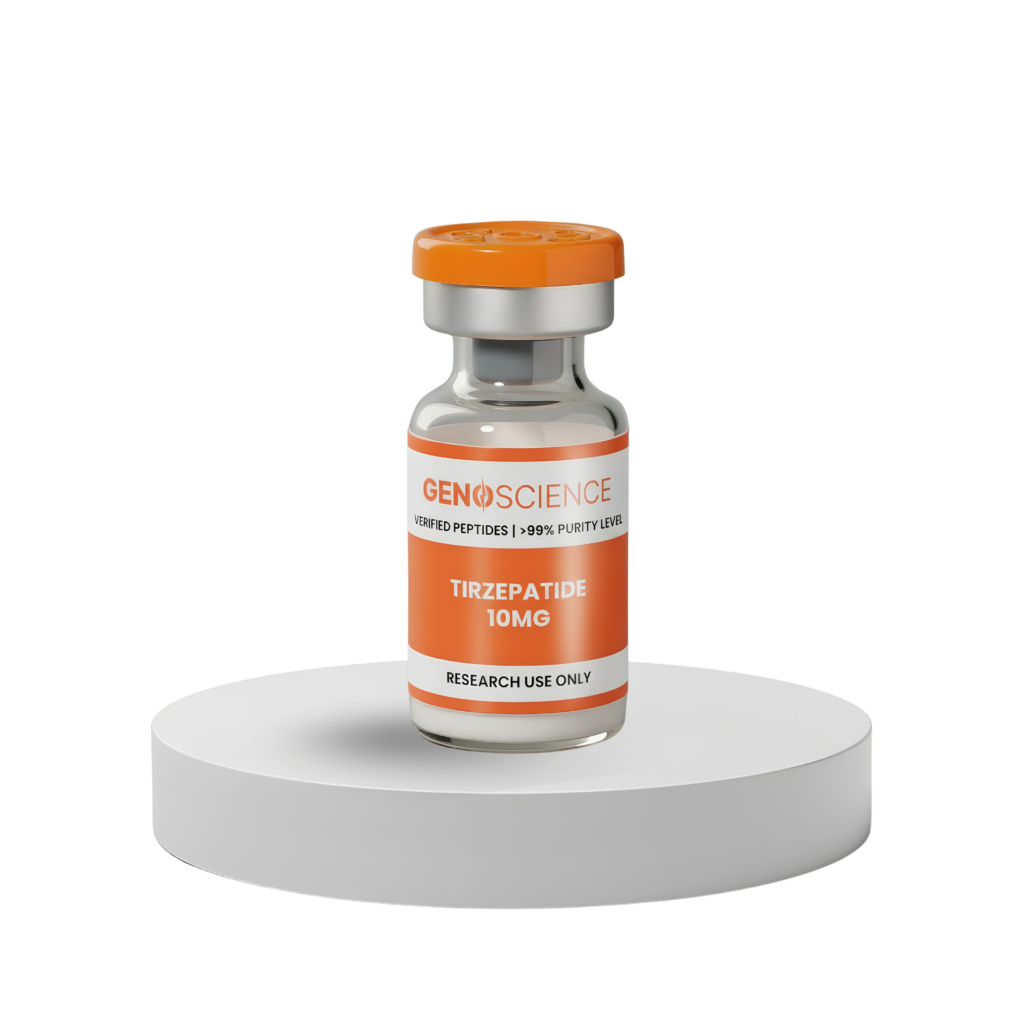
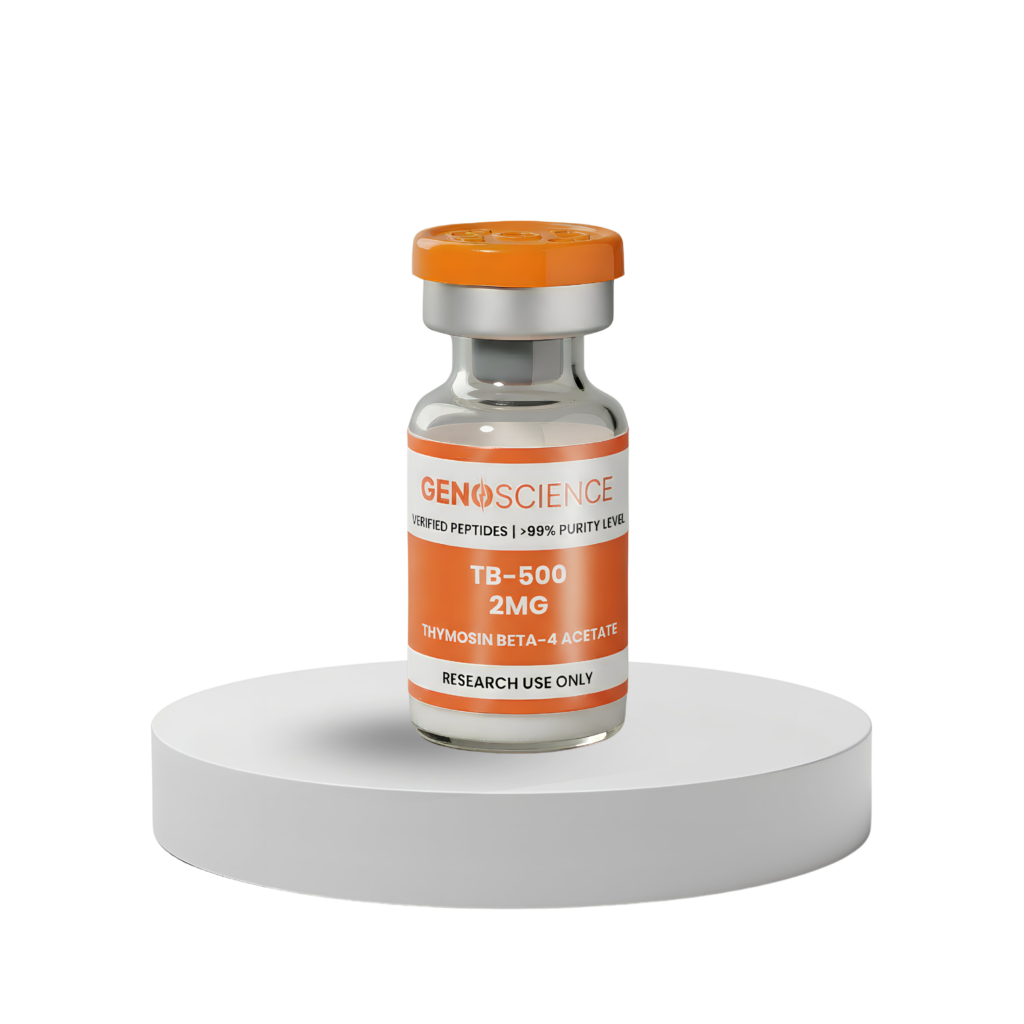
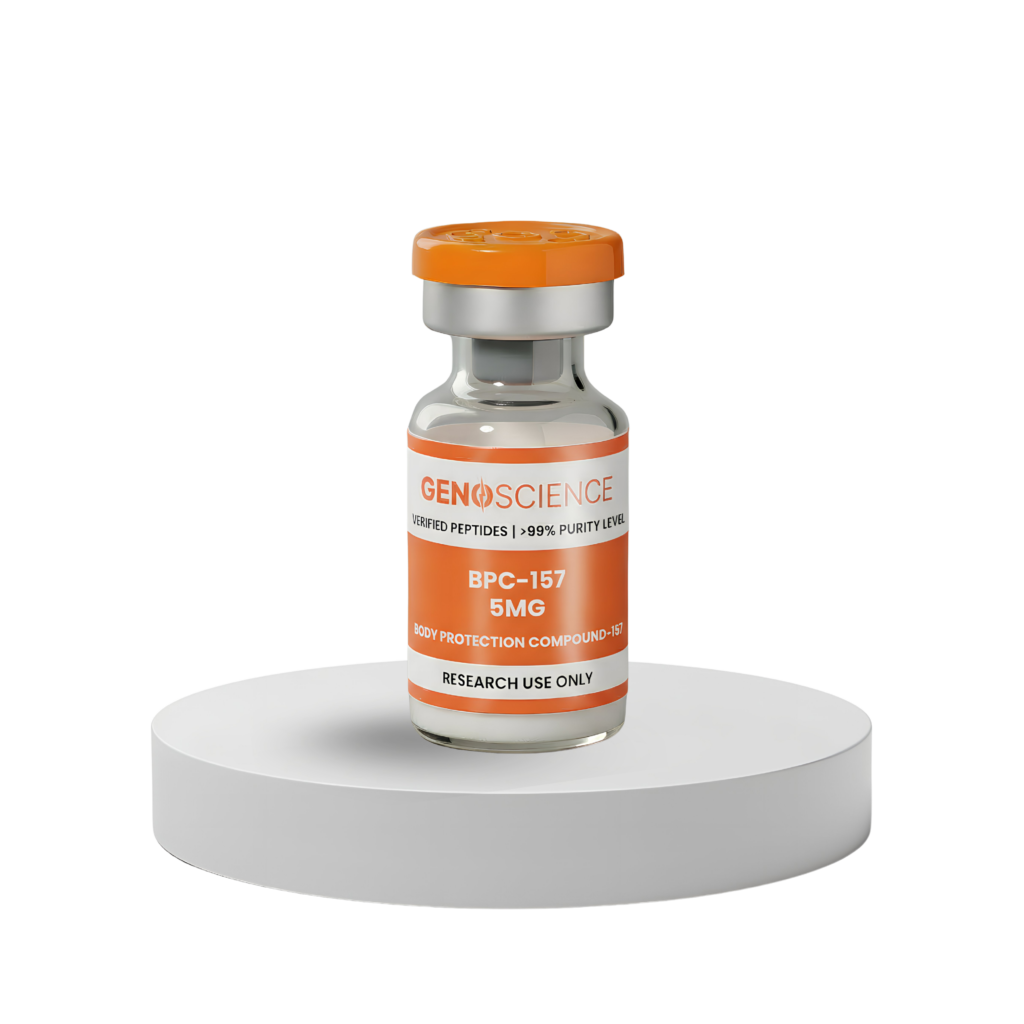
- Visuals: Vial appearance and cap color may vary from product photos; the label quantity refers to the total active content inside the vial.
Disclaimer: This product is sold explicitly as a chemical reagent for laboratory research and testing purposes only. It is not intended for human consumption, diagnostic, or therapeutic use. Bodily introduction of any kind into humans or animals is strictly forbidden by law.