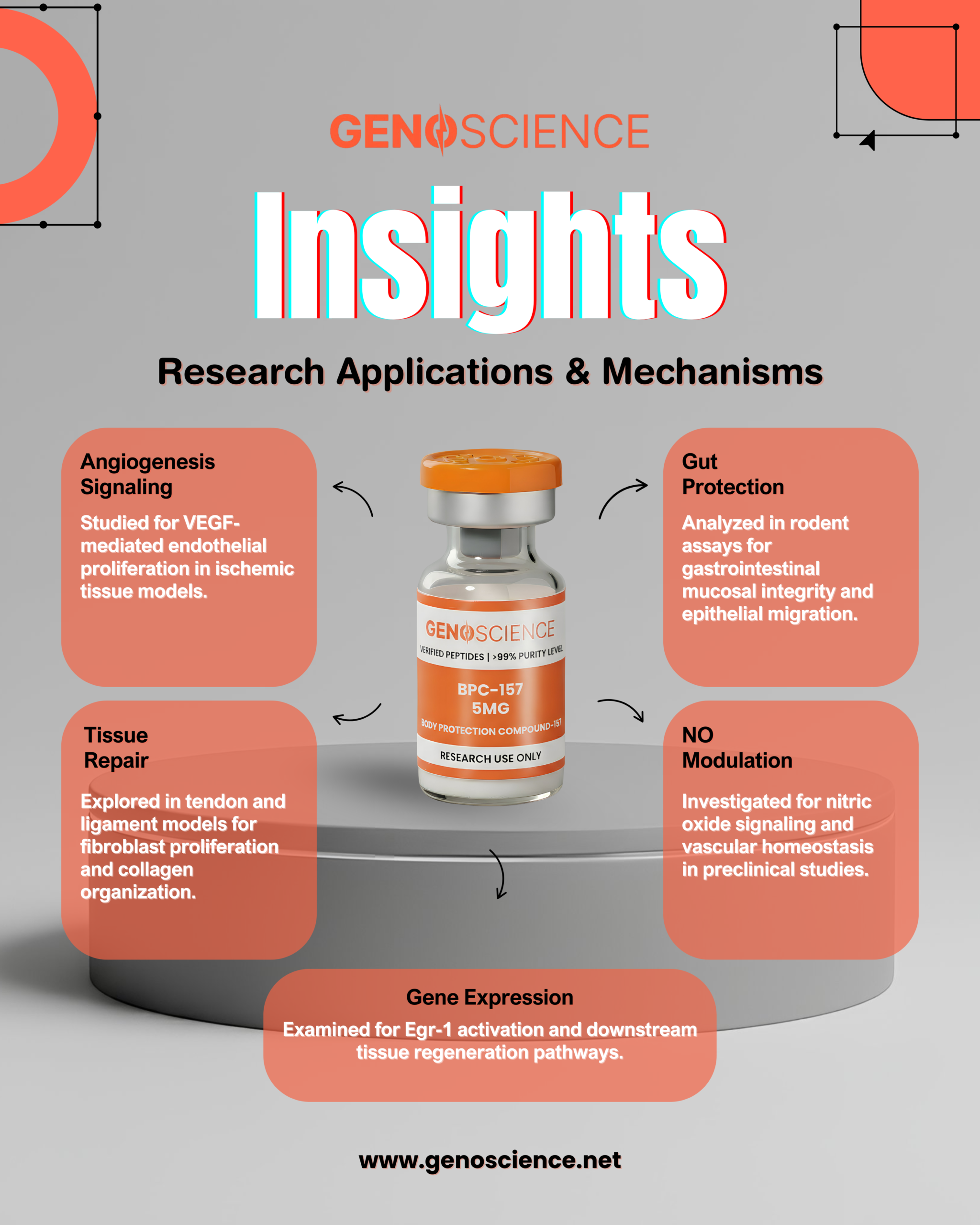
- Angiogenesis & VEGF Signaling BPC-157 is a primary subject of research regarding angiogenesis (the formation of new blood vessels). Laboratory models utilize this peptide to observe the upregulation of Vascular Endothelial Growth Factor (VEGF) and the subsequent proliferation of endothelial cells. This mechanism is critical for studying how blood supply is re-established in ischemic or damaged tissues.
- Gastrointestinal Mucosal Integrity Originating from gastric proteins, BPC-157 is extensively studied for its cytoprotective effects on the gastrointestinal lining. Research focuses on its ability to protect the endothelium against chemical damage (e.g., NSAID or alcohol-induced lesions) in rodent models. It serves as a tool for investigating the maintenance of the gut barrier and the healing of fistulas through epithelial cell migration.
- Soft Tissue Repair (Tendon & Ligament) Preclinical studies investigate the influence of BPC-157 on fibroblasts (connective tissue cells). Research indicates that the peptide may accelerate the migration and proliferation of tendon and ligament fibroblasts. It is used to model the organization of collagen fibers during the remodeling phase of soft tissue injury, specifically looking at gene expression related to growth hormone receptors in tendon fibroblasts.
- Nitric Oxide (NO) System Interaction BPC-157 is observed to interact with the Nitric Oxide (NO) pathway. Research suggests it modulates the generation of NO, which regulates vasodilation and endothelial health. This interaction is studied alongside the coagulation cascade, where BPC-157 is investigated for its potential to counteract prolonged bleeding and normalize hemostasis following vascular injury.
- Egr-1 Gene Expression At the molecular level, BPC-157 is used to study the activation of the Early Growth Response 1 (Egr-1) gene. This transcription factor is involved in the immediate response to cellular stress and injury. Researchers utilize BPC-157 to map the downstream cytokine, cytokine receptor, and growth factor expression profiles that drive tissue regeneration.
Important Notices:
- Research Use Only: This product is sold strictly for scientific research and development purposes.
- Handling: The product is provided as a lyophilized powder. Reconstitution requires bacteriostatic water and sterile laboratory equipment (syringes, needles, alcohol pads), which are not included.
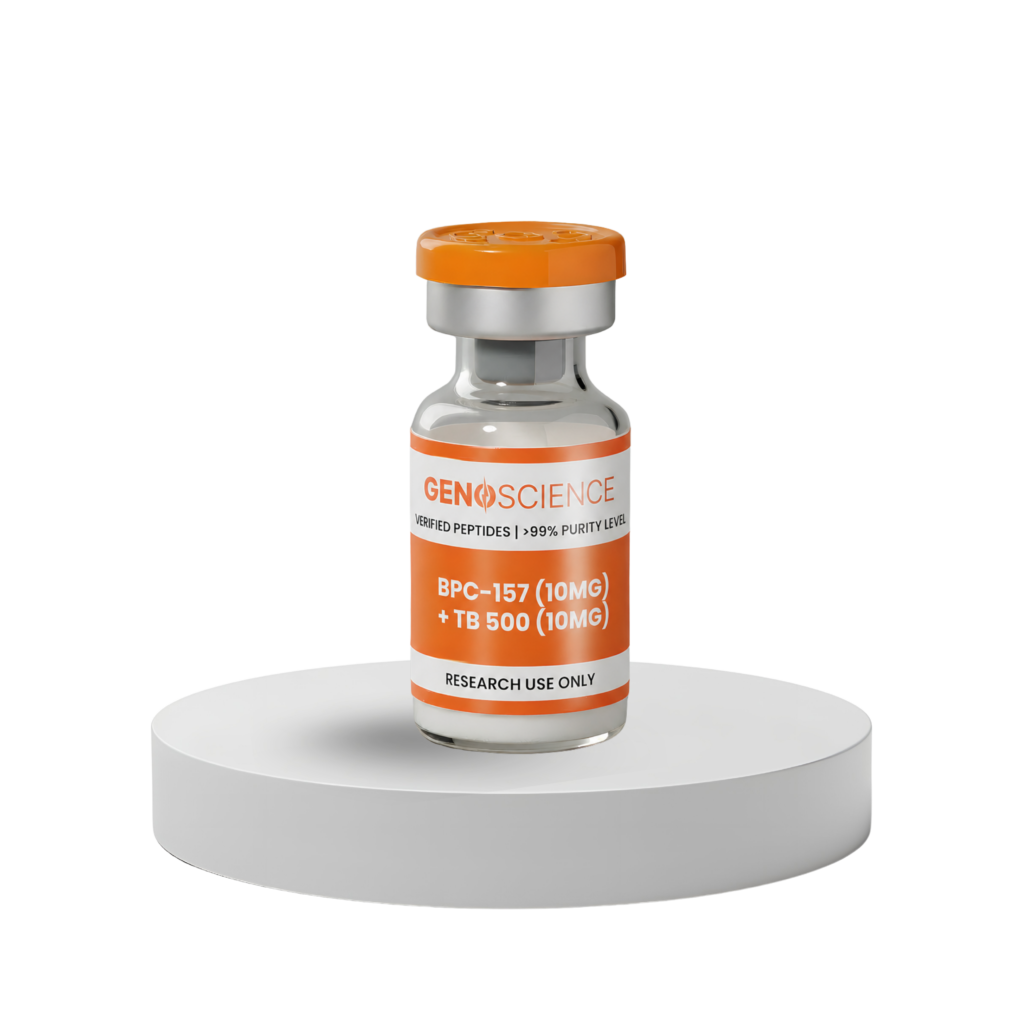
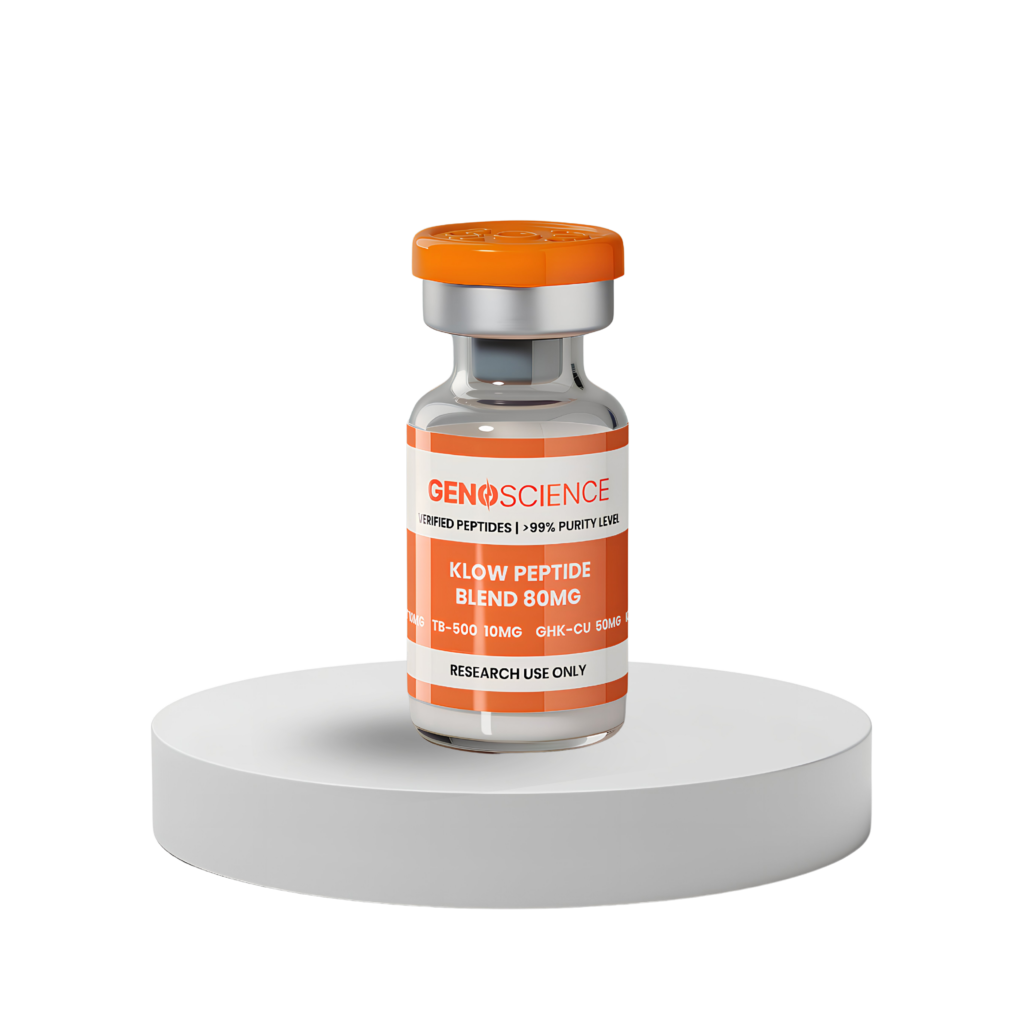
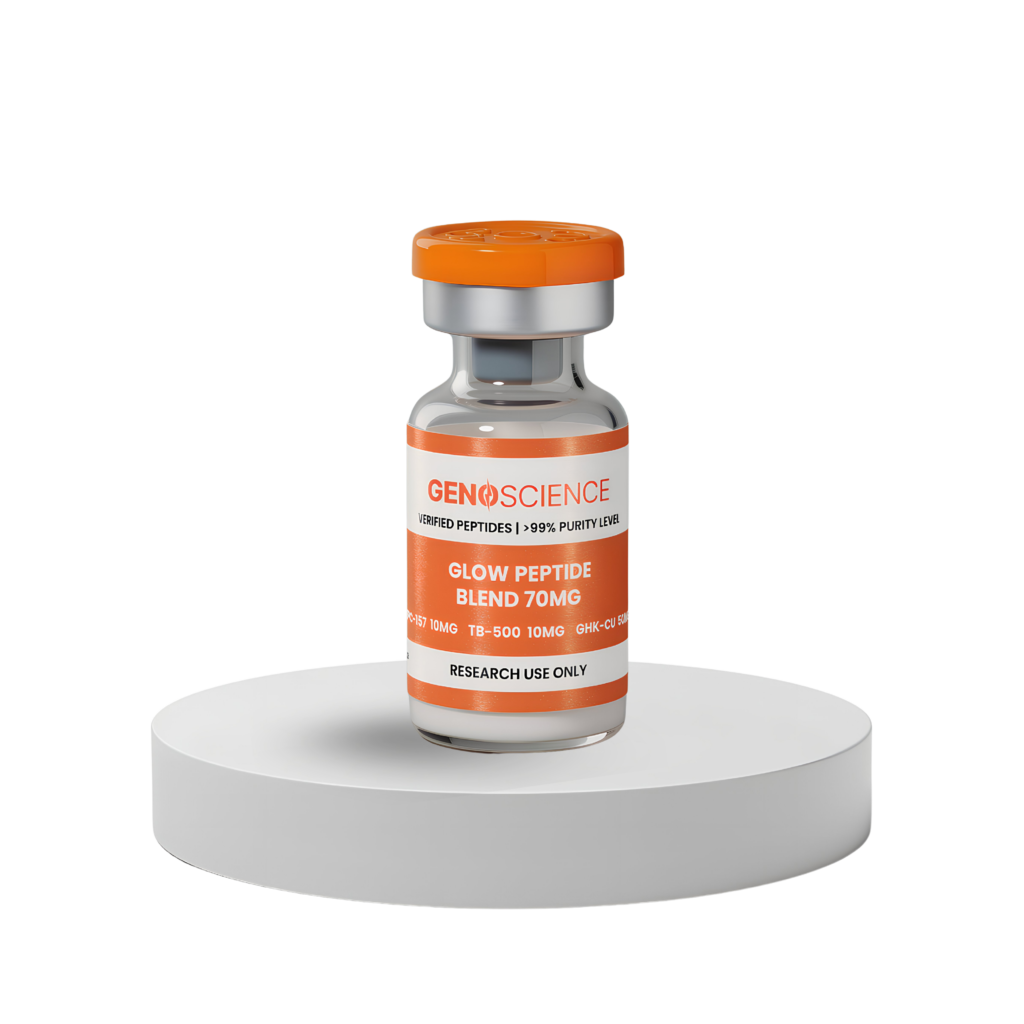
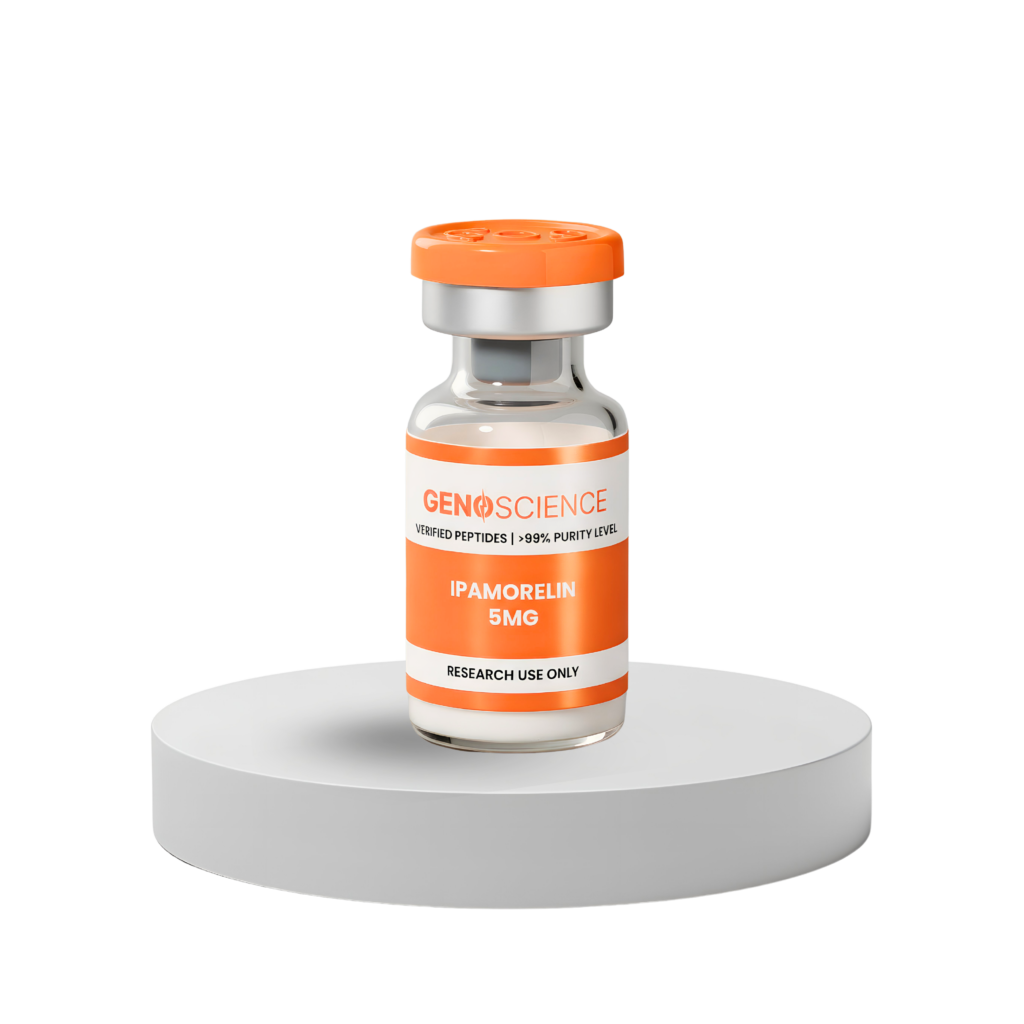
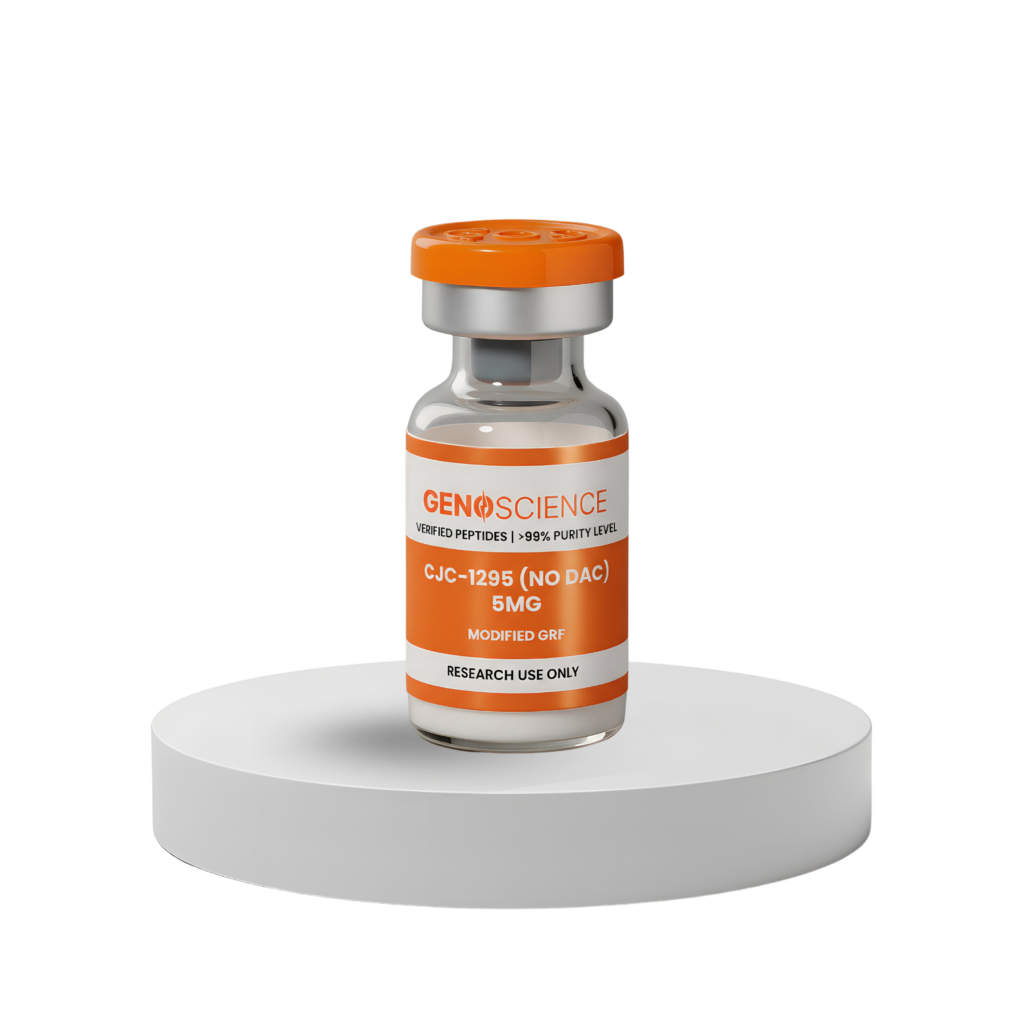
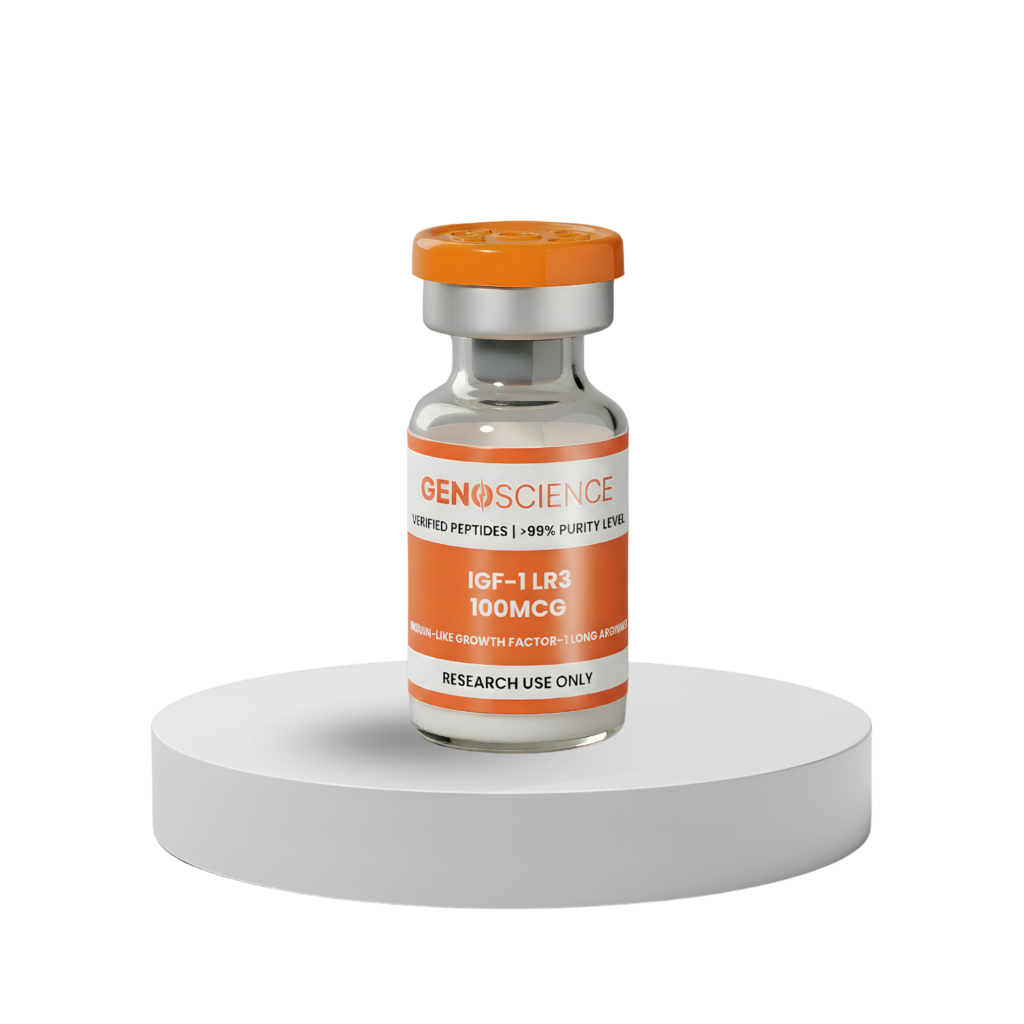
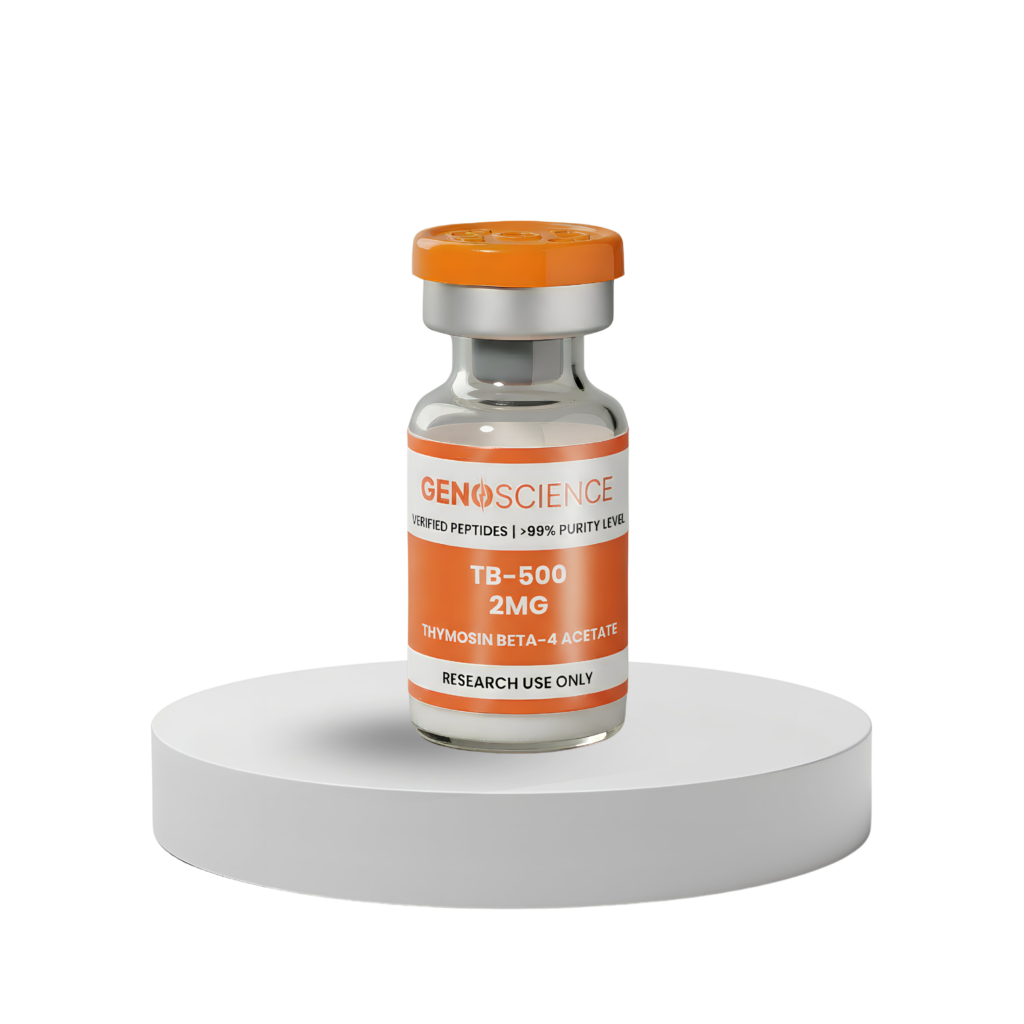
- Visuals: Vial appearance and cap color may vary from product photos; the label quantity refers to the total active content inside the vial.
Disclaimer: This product is sold explicitly as a chemical reagent for laboratory research and testing purposes only. It is not intended for human consumption, diagnostic, or therapeutic use. Bodily introduction of any kind into humans or animals is strictly forbidden by law.