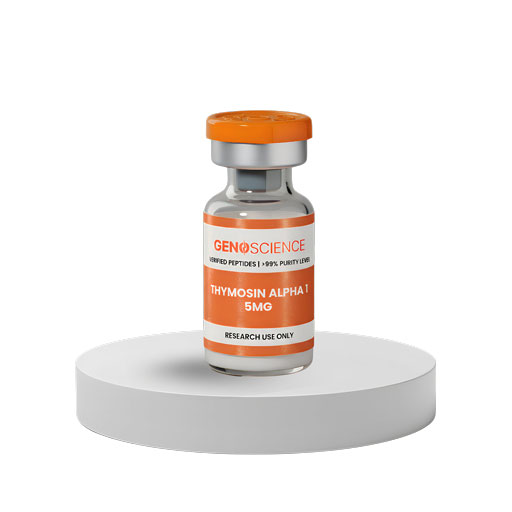
- Innate and Adaptive Immune Signaling TA1 is a primary subject of research regarding the modulation of Toll-like Receptors (specifically TLR2 and TLR9). Laboratory models utilize TA1 to observe the downstream activation of the MyD88-NF-κB signaling pathway. This mechanism is critical for studying the maturation of dendritic cells, the upregulation of macrophage phagocytosis, and the differentiation of T-cells in controlled environments.
- Anti-Inflammatory Modulation Research in macrophage cultures exposed to endotoxins suggests that TA1 plays a regulatory role in cytokine expression. Studies observe its ability to normalize the activity of the NF-κB and JNK pathways, leading to a measurable reduction in the expression of pro-inflammatory cytokines such as IL-1β, IL-6, and TNF-α. This makes it a valuable reagent for studying inflammation control mechanisms.
- T-Cell Recovery Models In models of immunodeficiency, TA1 is investigated for its potential to restore thymic function. Researchers utilize this peptide to analyze the rebalancing of CD4+/CD8+ ratios and the enhancement of overall T-cell counts. It serves as a benchmark for studying immune reconstitution kinetics in ex-vivo assays.
- Viral Defense & Antigen Presentation TA1 is frequently used in virology and oncology research to study antigen presentation efficiency. Mechanisms observed include the enhanced release of cytokines like IL-2 and IFN-γ, as well as improved dendritic cell functionality. These pathways are essential for researching the body’s native defense systems against viral vectors and checkpoint inhibition in tumor models.
- Cellular Senescence & Apoptosis Epigenetic studies utilize TA1 to investigate the regulation of p53-mediated apoptosis pathways. Data suggests it influences gene expression related to thymic regeneration and oxidative stress response, providing a model for researching “healthy aging” at the cellular level.
Important Notices:
- Research Use Only: This product is sold strictly for scientific research and development purposes.
- Handling: The product is provided as a lyophilized powder. Reconstitution requires bacteriostatic water and sterile laboratory equipment (syringes, needles, alcohol pads), which are not included.
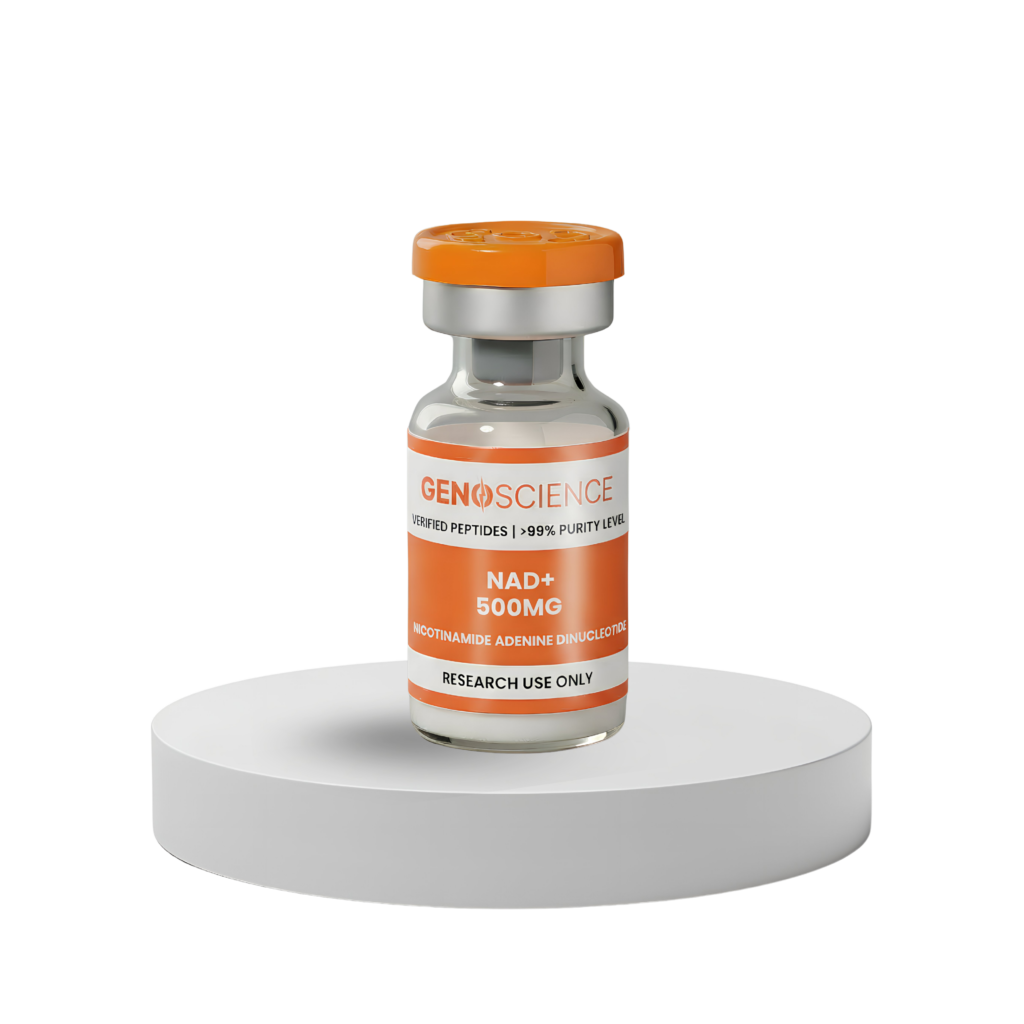
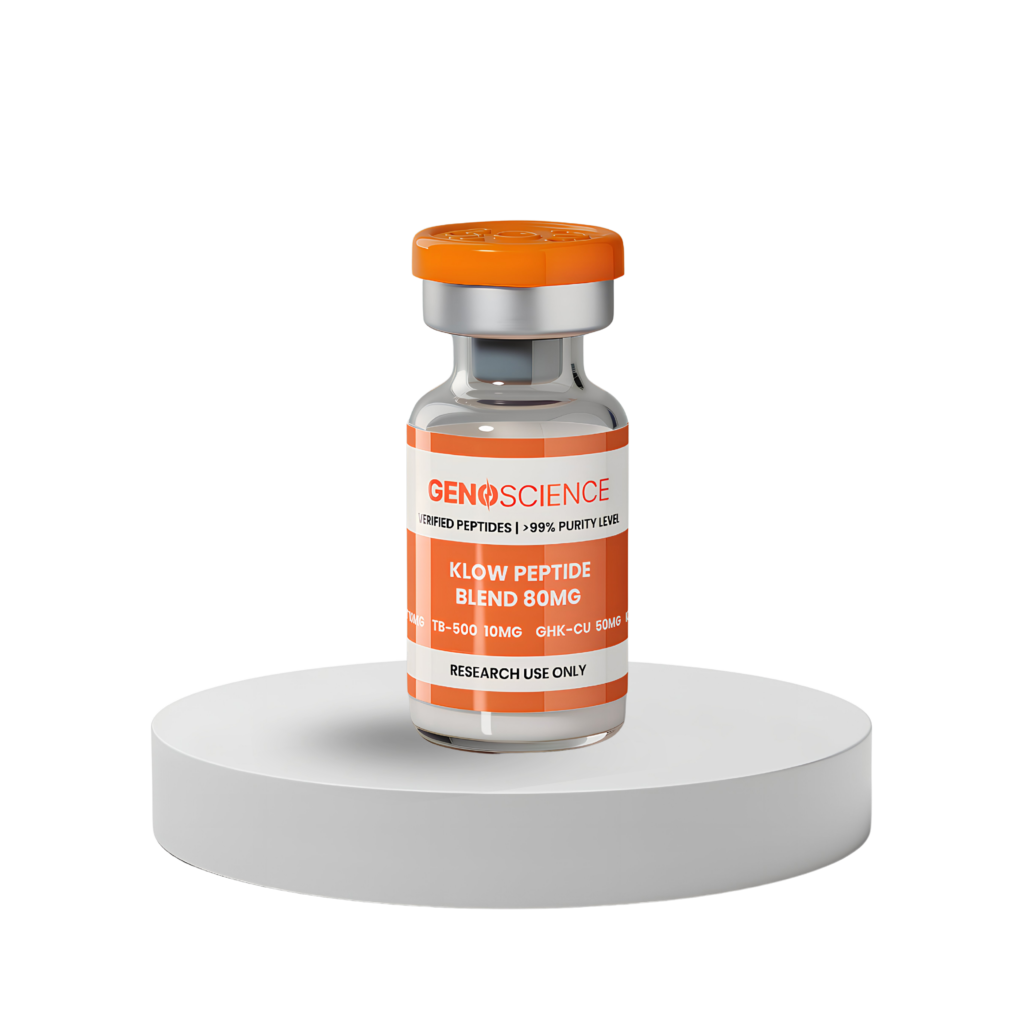
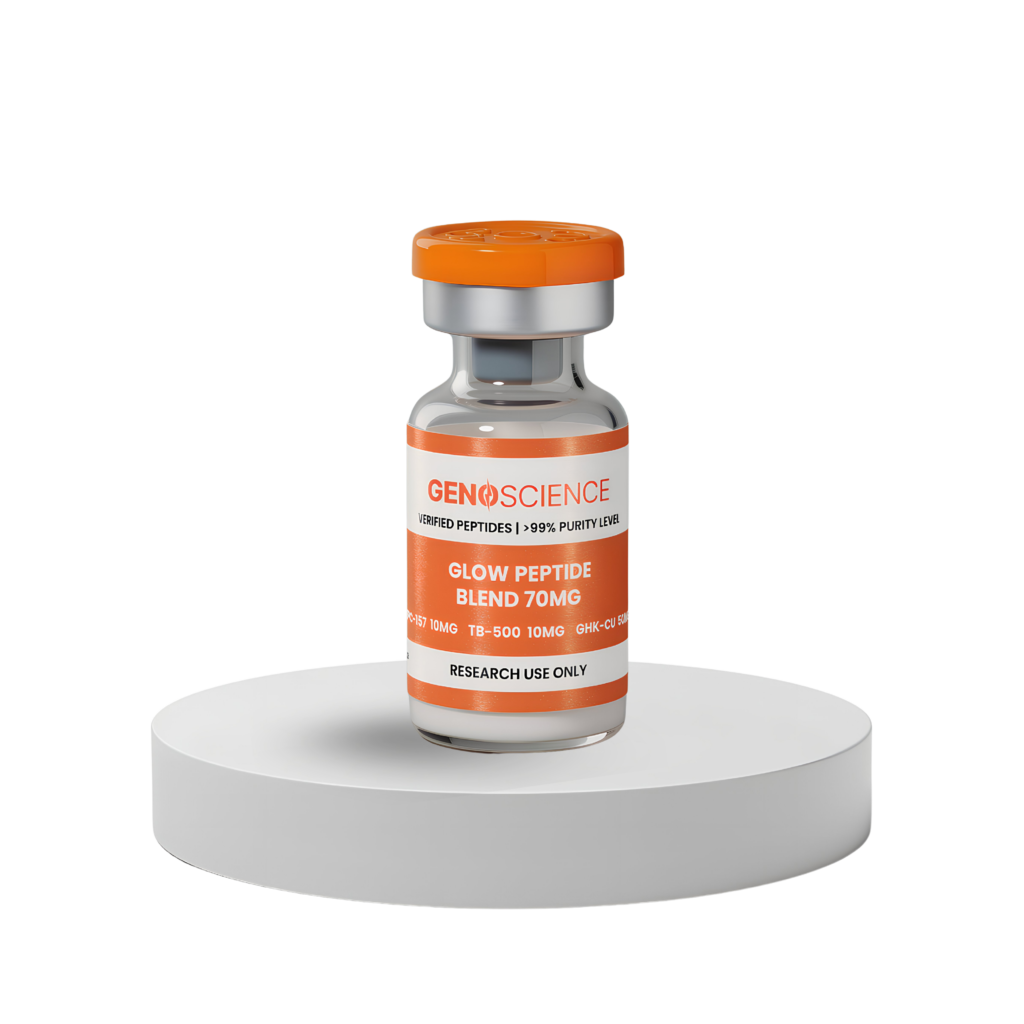
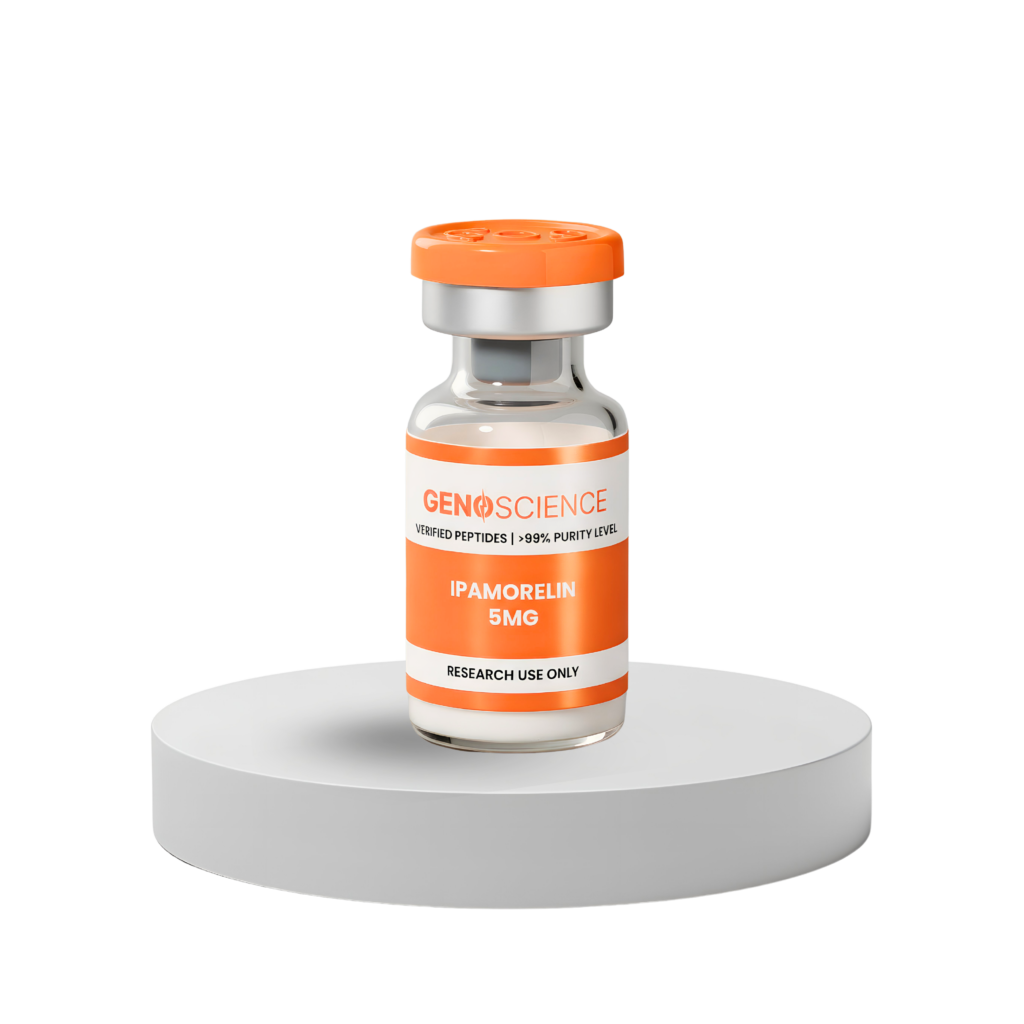
- Visuals: Vial appearance and cap color may vary from product photos; the label quantity refers to the total active content inside the vial.
Disclaimer: This product is sold explicitly as a chemical reagent for laboratory research and testing purposes only. It is not intended for human consumption, diagnostic, or therapeutic use. Bodily introduction of any kind into humans or animals is strictly forbidden by law.