- Hyperplasia vs. Hypertrophy Signaling IGF-1 LR3 is the primary reference standard for distinguishing between cellular hypertrophy (enlargement) and hyperplasia (division/proliferation). Research utilizes this peptide to investigate the stimulation of mitogenesis in connective tissues. Unlike Growth Hormone, which signals primarily for hypertrophy, IGF-1 LR3 is observed to promote the actual splitting and multiplication of cells in muscle, liver, kidney, and nerve tissue models. It is a critical tool for studying the “maturation phase” of cell differentiation.
- Myostatin Inhibition & MyoD Activation A major area of investigation involves the interaction between IGF-1 LR3 and Myostatin (GDF-8), a protein that inhibits muscle differentiation. Preclinical models of muscle wasting (such as dystrophin-deficient mice) utilize IGF-1 LR3 to observe its ability to counteract myostatin signaling. Research suggests that IGF-1 LR3 may activate MyoD, a myogenic regulatory factor normally triggered by mechanical stress, thereby preventing apoptosis and preserving lean tissue mass in catabolic environments.
- Glucose Translocation & Insulin Receptor Affinity Metabolic research focuses on IGF-1 LR3’s unique ability to bind to both the IGF-1R receptor and the Insulin Receptor. Laboratory studies demonstrate that this dual-affinity triggers the translocation of glucose transporters (GLUT4) in muscle and liver cells, independent of insulin concentration. Researchers utilize this pathway to model “Net Catabolism” of adipose tissue—specifically how the peptide triggers the breakdown of triglycerides and glycogen while simultaneously lowering plasma glucose levels in diabetic rodent models.
- Glucocorticoid Antagonism In studies involving corticosteroids (which typically induce muscle atrophy and bone density loss), IGF-1 LR3 is investigated as a counter-regulatory agent. Research aims to determine if the peptide can preserve nitrogen balance and prevent the proteolysis (protein breakdown) caused by elevated glucocorticoid signaling. This makes it a vital component in research regarding autoimmune therapy side-effects.
- Cellular Senescence & Longevity Ongoing research in bovine and murine models explores the role of IGF-1 LR3 in offsetting cellular aging. By promoting tissue repair and maintenance protocols, the peptide is used to study the progression of age-related degeneration in renal and neurological tissues. Data suggests a correlation between sustained IGF-1 signaling and the delay of cellular senescence markers.
Important Notices:
- Research Use Only: This product is sold strictly for scientific research and development purposes.
- Handling: The product is provided as a lyophilized powder. Reconstitution requires bacteriostatic water and sterile laboratory equipment (syringes, needles, alcohol pads), which are not included.
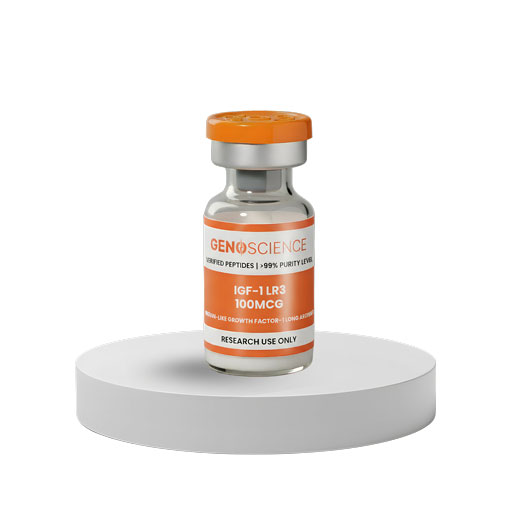
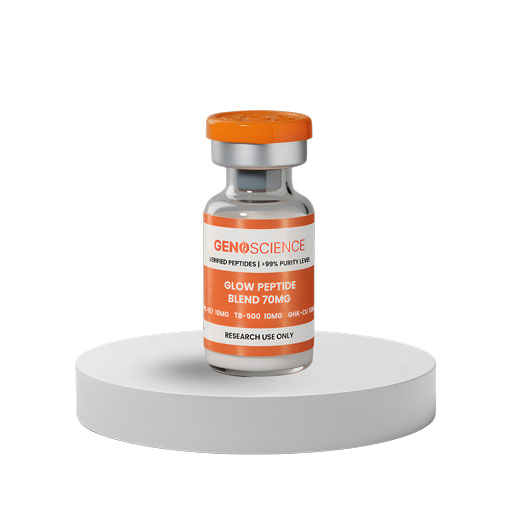
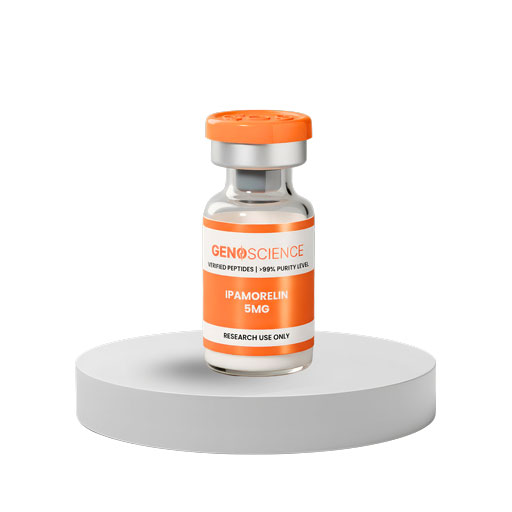
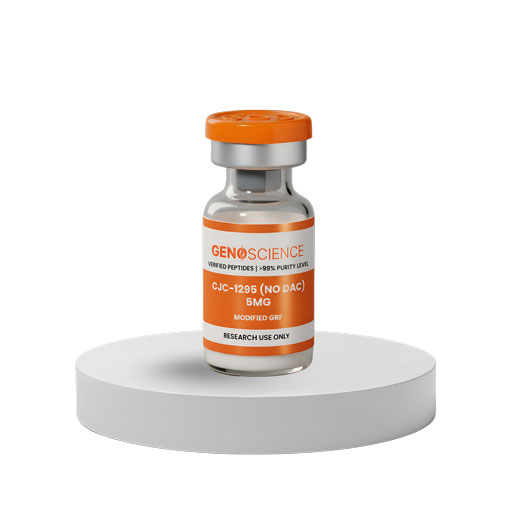
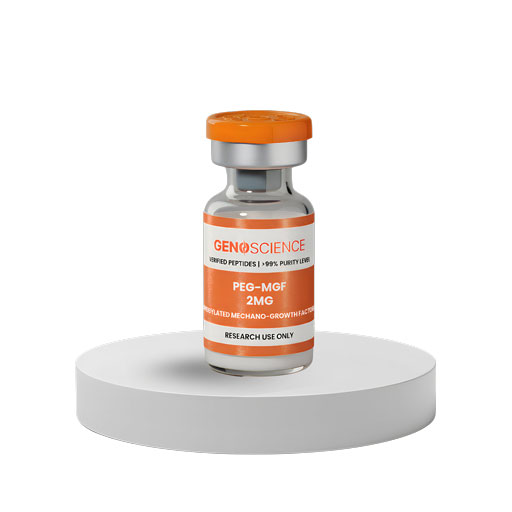
- Visuals: Vial appearance and cap color may vary from product photos; the label quantity refers to the total active content inside the vial.
Disclaimer: This product is sold explicitly as a chemical reagent for laboratory research and testing purposes only. It is not intended for human consumption, diagnostic, or therapeutic use. Bodily introduction of any kind into humans or animals is strictly forbidden by law.