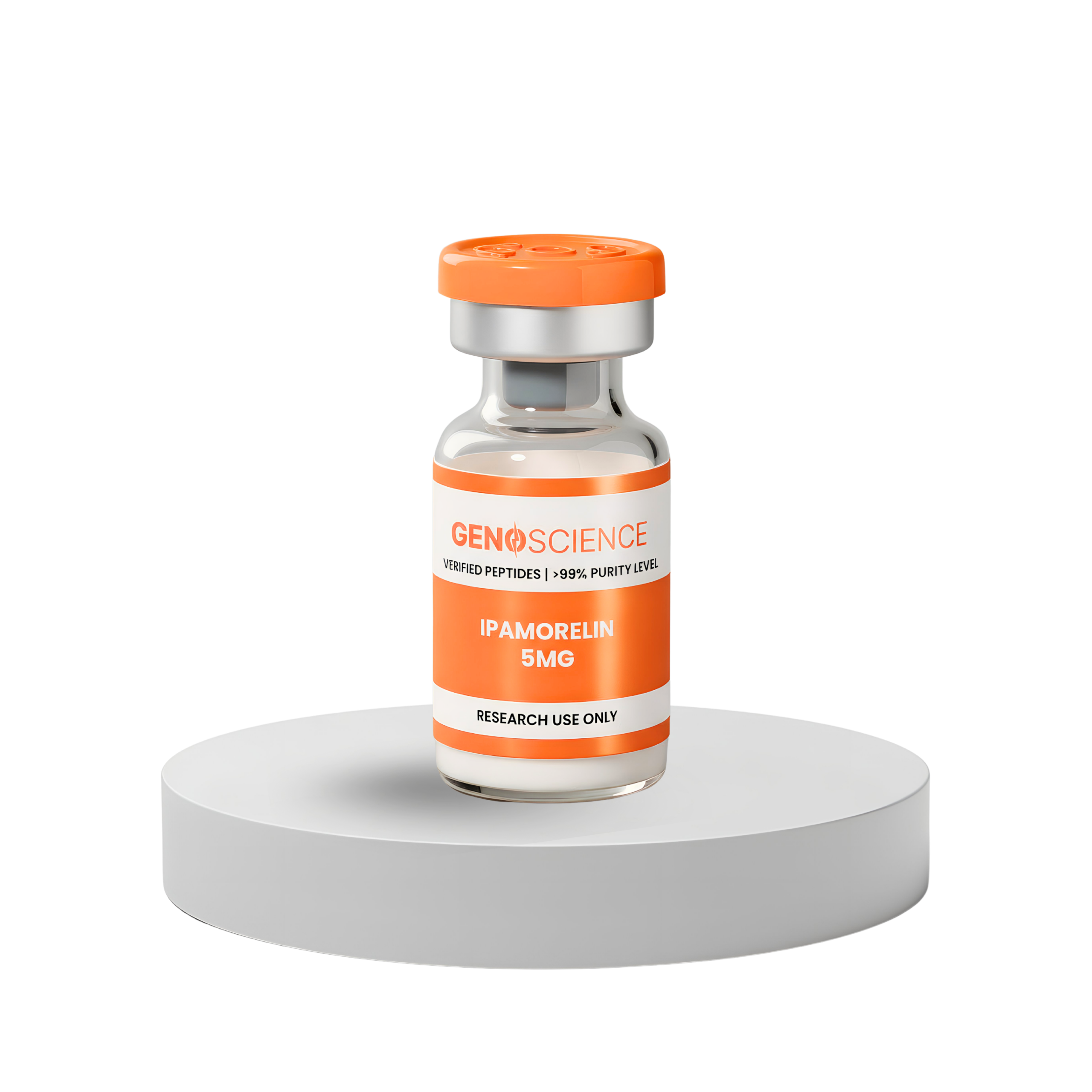
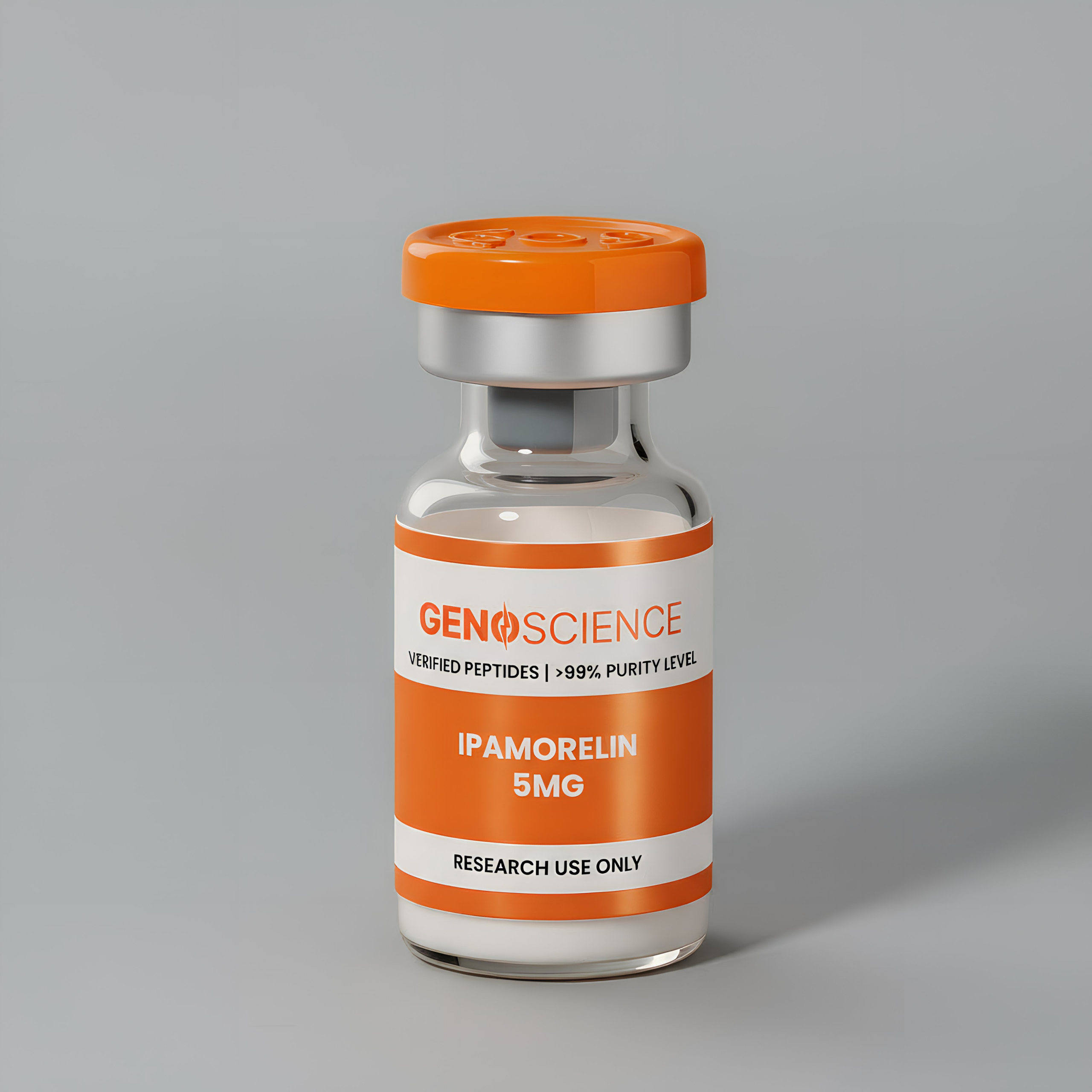
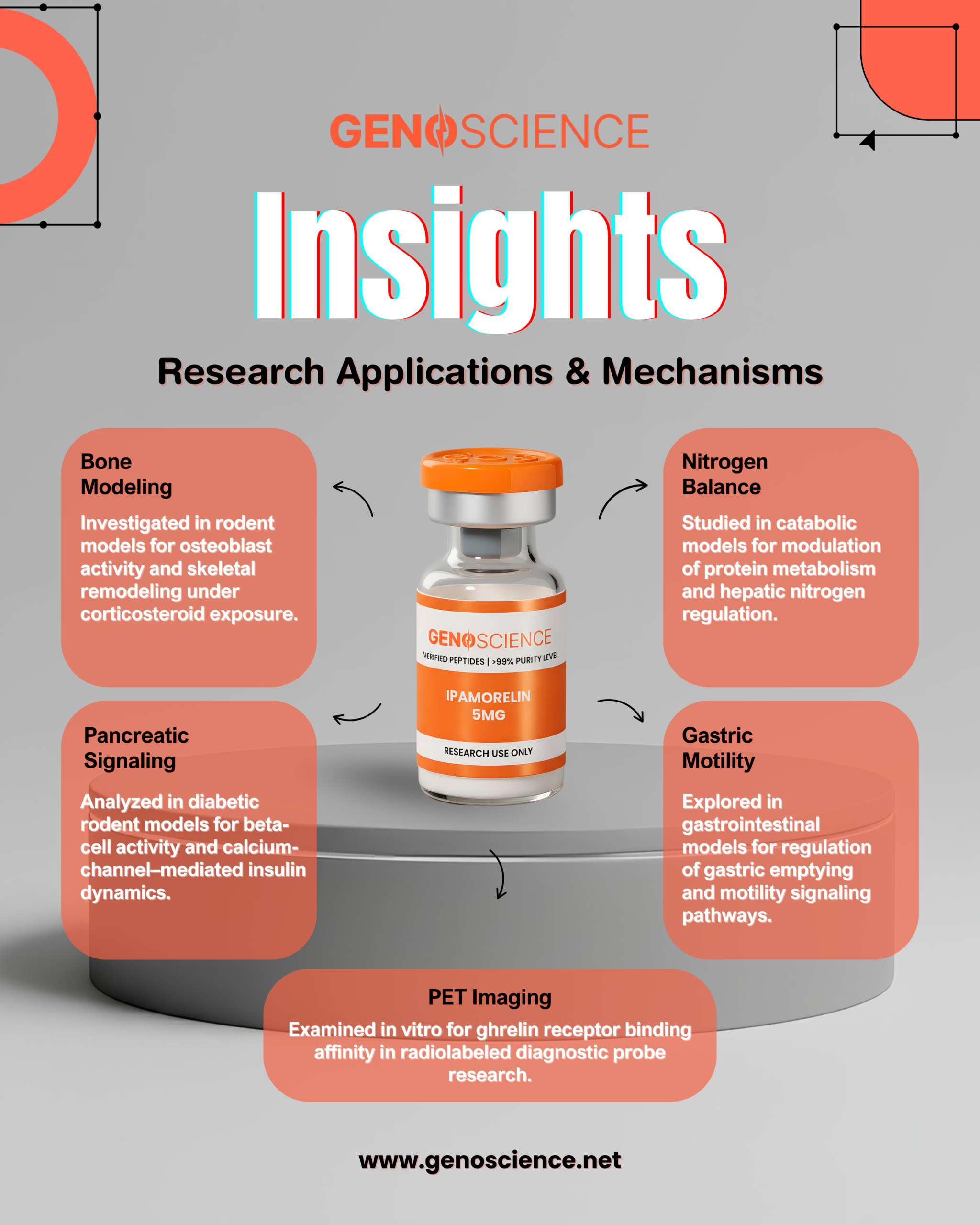
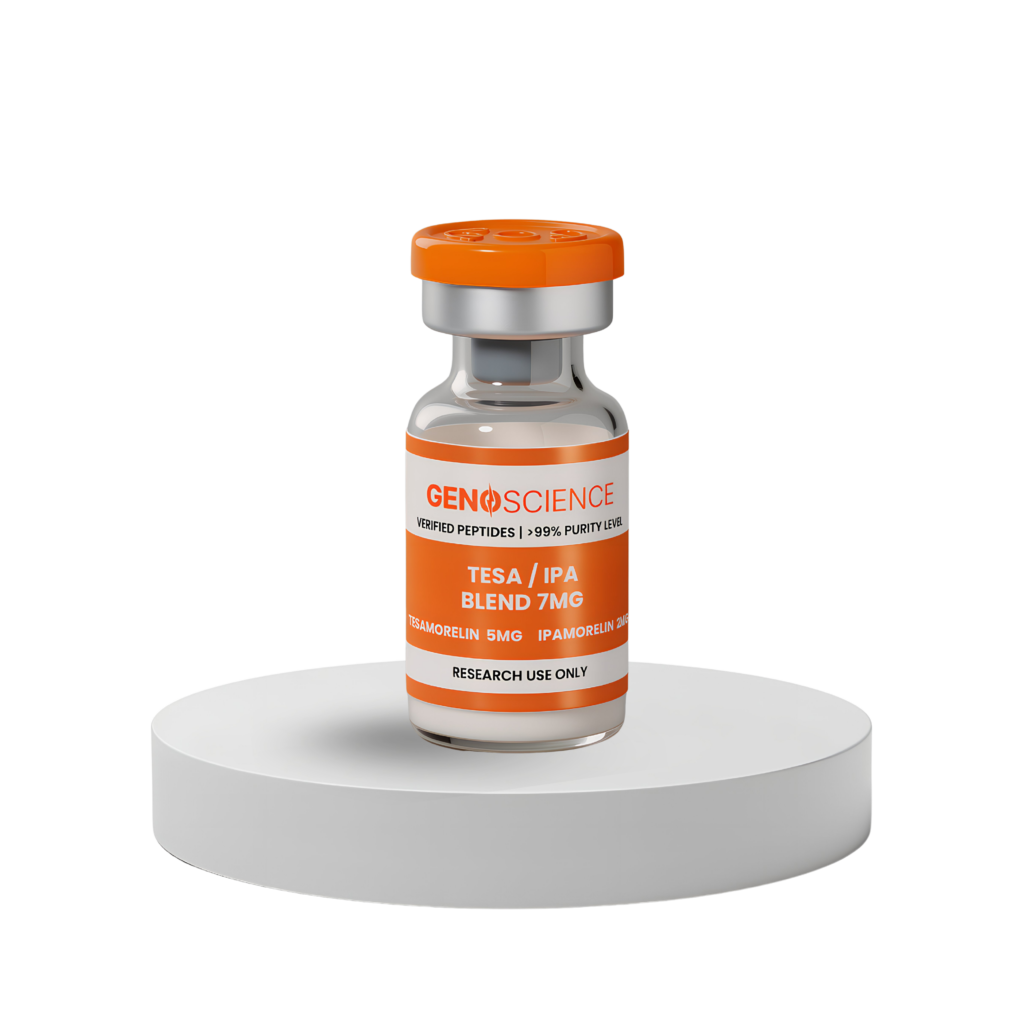
- Corticosteroid Mitigation & Bone Density Models Glucocorticoids are potent anti-inflammatory agents often limited by catabolic side effects, particularly bone density loss. Preclinical studies in rodent models have utilized Ipamorelin to investigate the reversal of these effects. Research indicates that Ipamorelin administration in rats exposed to corticosteroids resulted in a four-fold increase in bone formation rates and effectively counteracted drug-induced bone loss. Further data suggests a systemic increase in bone mineral density (BMD), highlighting Ipamorelin’s potential role in osteoblast activity and skeletal remodeling mechanisms.
- Nitrogen Balance & Muscle Preservation Research focuses on the interaction between Growth Hormone Secretagogues (GHS) and catabolic states. In studies involving glucocorticoid-induced muscle wasting, subjects administered Ipamorelin demonstrated improved nitrogen balance in the liver and a reduction in muscle catabolism. This suggests a pathway by which selective GH stimulation may counteract protein degradation, a primary area of interest for research into cachexia and atrophy models.
- Insulin Secretion & Pancreatic Function In diabetic rat models, Ipamorelin has been observed to potentiate insulin release. The proposed mechanism involves the indirect stimulation of calcium channels on pancreatic islet cells, where insulin is synthesized and stored. This interaction provides a window into the functional dynamics of Type 2 diabetes models and the potential for peptide-based modulation of beta-cell function.
- Gastric Motility & Post-Operative Ileus (POI) Ipamorelin mimics ghrelin’s effects on the gastrointestinal system, specifically regarding motility. While historical proof-of-concept trials explored its efficacy in reducing Post-Operative Ileus (POI) in clinical settings, current research focuses on the mechanism by which it shortens “time to first meal” and accelerates gastric emptying. It remains a compound of interest for studying synergistic therapies to restore GI function following abdominal trauma.
- Diagnostic Imaging (PET Probe) Due to its strong binding affinity for the ghrelin receptor, which is often overexpressed in specific carcinoma tissues and heart failure models, Ipamorelin is being investigated as a potential probe for Positron Emission Tomography (PET). In vitro feasibility studies suggest that radiolabeled Ipamorelin could serve as a diagnostic tool for mapping ghrelin receptor density in vivo.
Disclaimer: This product is sold explicitly as a chemical reagent for laboratory research and testing purposes only. It is not intended for human consumption, diagnostic, or therapeutic use. Bodily introduction of any kind into humans or animals is strictly forbidden by law.