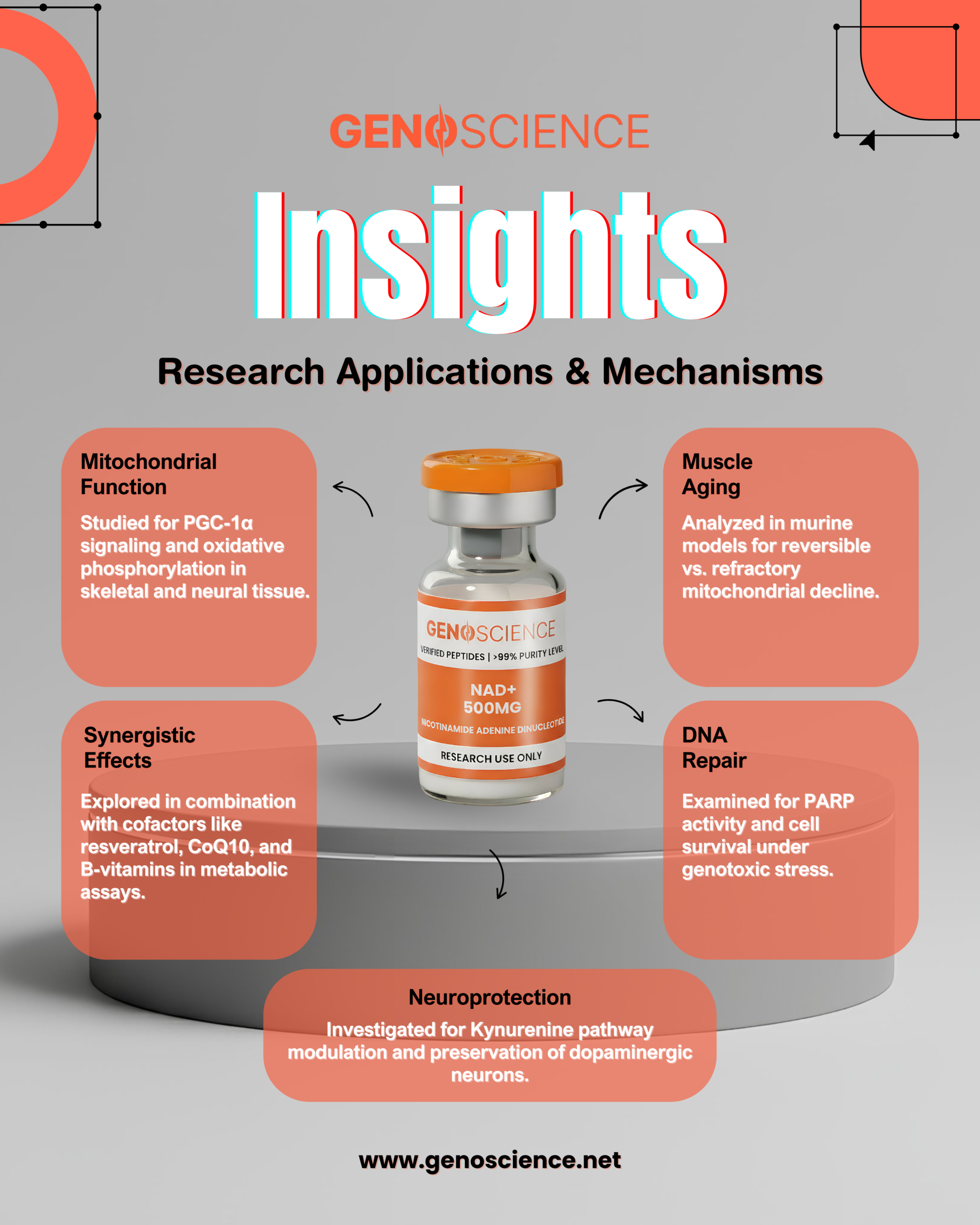
- Mitochondrial Bioenergetics & PGC-1α Signaling NAD+ is the central subject of research into mitochondrial decline. Laboratory models utilize NAD+ supplementation to investigate the “Pseudohypoxic” state of aging cells. Research focuses on how NAD+ levels influence the expression of PGC-1α (Peroxisome proliferator-activated receptor gamma coactivator 1-alpha), a key regulator of mitochondrial biogenesis. This pathway is critical for understanding how oxidative phosphorylation efficiency is maintained in skeletal muscle and neural tissue over time.
- Skeletal Muscle Aging Models (Reversible vs. Refractory) Research in murine skeletal muscle identifies a “Two-Step” model of age-related decline.
- Phase 1 (Reversible): Characterized by a decline in oxidative phosphorylation due to reduced expression of mitochondrial genes. Studies suggest administering NAD+ at this stage may restore function.
- Phase 2 (Refractory): Characterized by genome malfunction in both mitochondria and the nucleus. Research indicates that if progression reaches this stage, intervention may be ineffective. This makes NAD+ a critical variable in studies aimed at defining the “therapeutic window” for mitochondrial intervention vs. permanent dysfunction.
- Synergistic Research Models Laboratory assays frequently explore the combinatorial effects of NAD+ with other metabolic cofactors to observe potential synergistic outcomes:
- Sirtuin Activation (w/ Resveratrol): Investigating the combined effect on LDL regulation, oxidative damage, and inflammation markers compared to single-agent administration.
- Neuroprotection (w/ CoQ10): Studying the synergistic protection of the central nervous system against reactive oxygen species (ROS).
- Salvage Pathway (w/ B-Vitamins): Analyzing how Vitamins B1, B2, and B6 influence the “salvage” rate of NAD+ synthesis in cell cultures.
- Neuroprotection & Kynurenine Pathway In neurodegenerative models (Parkinson’s/Huntington’s), NAD+ is investigated for its role in the Kynurenine Pathway (KP). Research explores how NAD+ production demands can “cannibalize” tryptophan (a neurotransmitter precursor). By supplementing NAD+, researchers observe the preservation of tryptophan levels and the potential reduction of motor deficits and dopaminergic neuron loss in the substantia nigra.
- DNA Repair & PARP Activity NAD+ is essential for the function of PARP proteins, which detect and repair single-strand DNA breaks. Research explores the balance between repair and energy depletion; excessive PARP activation can drain cellular NAD+ pools, leading to cell death. Assays use NAD+ to study cell survival rates under genotoxic stress.
- Metabolic Regulation & NAMPT Research links NAD+ levels to the activity of NAMPT, an enzyme associated with inflammation and insulin resistance. Metabolic studies use NAD+ to observe its effects on hepatic glucose output and the downregulation of adiponectin, aiming to define the molecular link between obesity-induced inflammation and systemic metabolic dysfunction.
Important Notices:
- Research Use Only: This product is sold strictly for scientific research and development purposes.
- Handling: The product is provided as a lyophilized powder. Reconstitution requires bacteriostatic water and sterile laboratory equipment (syringes, needles, alcohol pads), which are not included.
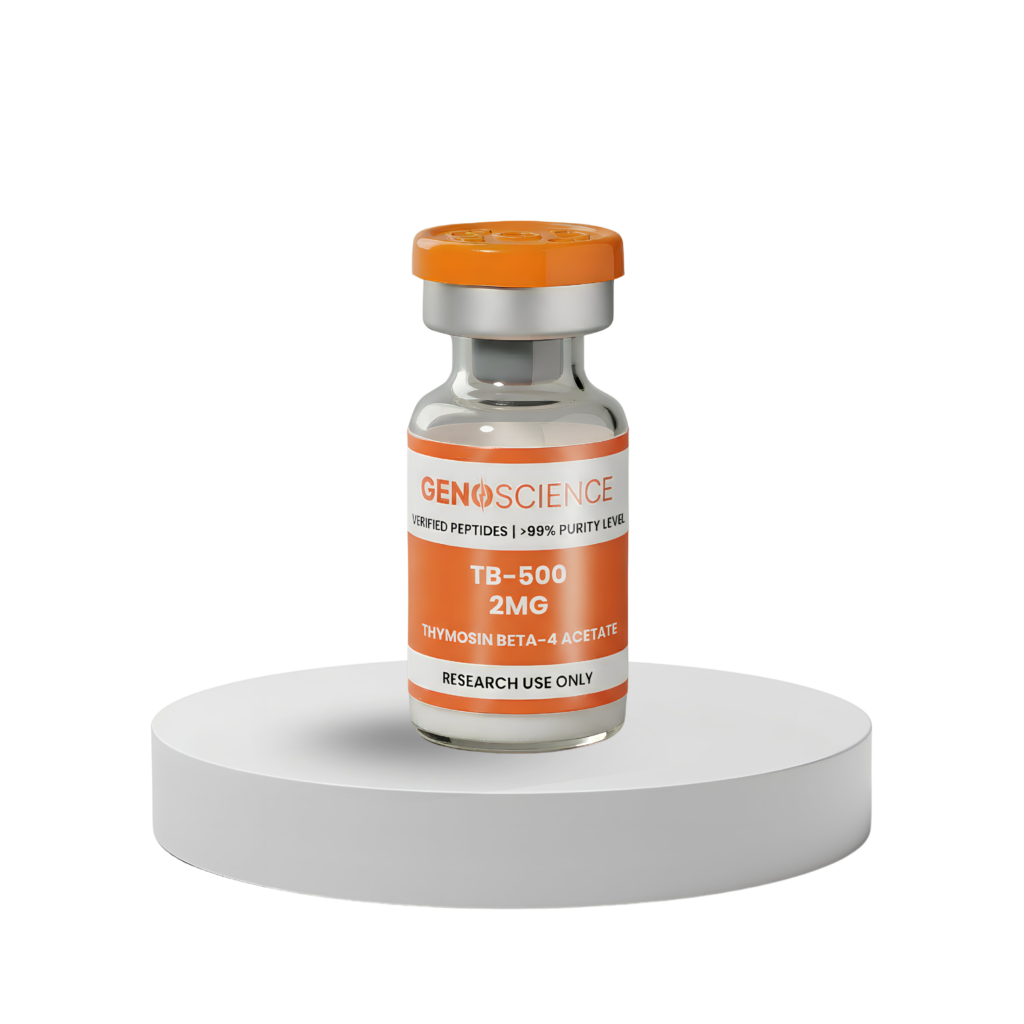
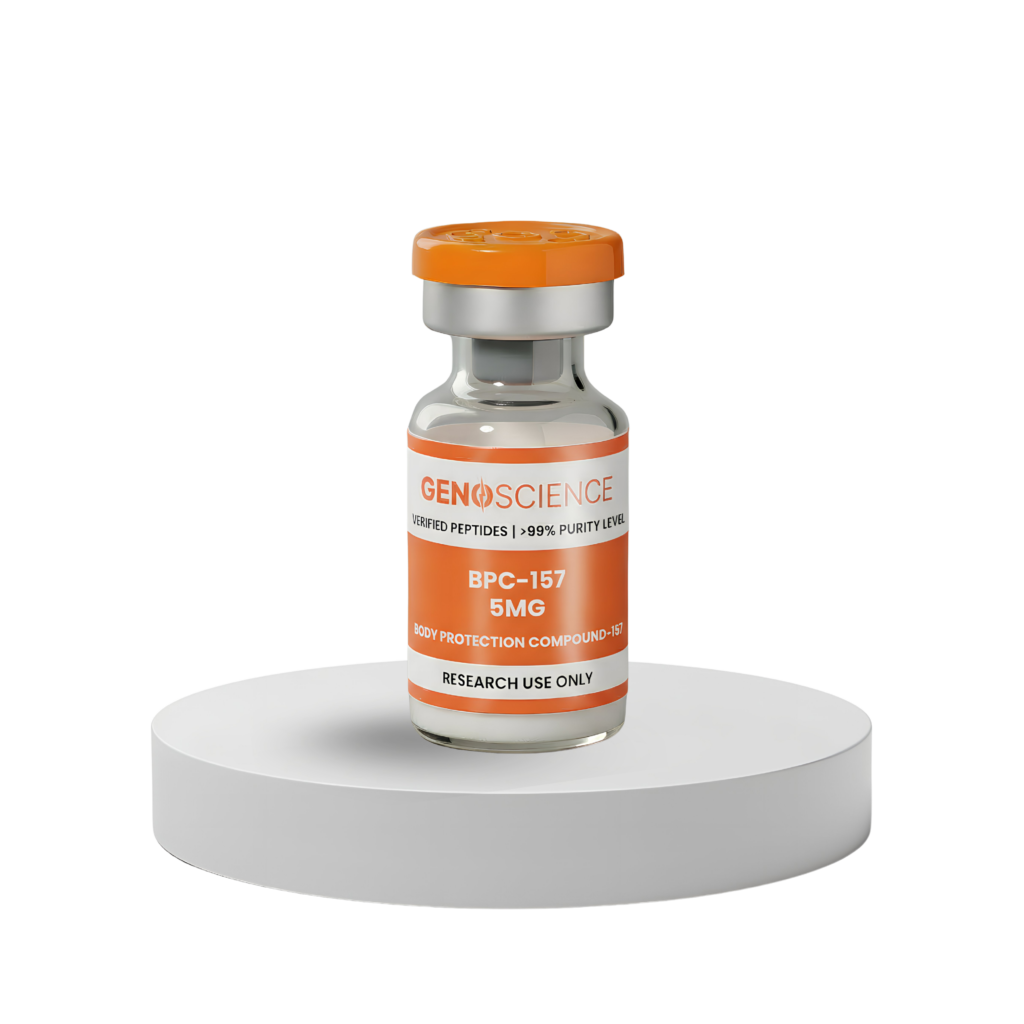
- Visuals: Vial appearance and cap color may vary from product photos; the label quantity refers to the total active content inside the vial.
Disclaimer: This product is sold explicitly as a chemical reagent for laboratory research and testing purposes only. It is not intended for human consumption, diagnostic, or therapeutic use. Bodily introduction of any kind into humans or animals is strictly forbidden by law.