




One vial 2 mg was $45 now $30
Compound: TB-500 (Thymosin Beta-4-Related Research Peptide)
Amount: 2mg per vial
Format: Lyophilized Powder
Chemical Classification: Synthetic Thymosin Beta-4-Related Peptide Material
Research Category: Actin, Cytoskeleton and Cell-Migration Research
Chemical Profile: TB-500 is a research product name associated with the thymosin beta-4 peptide family. Scientific literature on thymosin beta-4 examines interactions with monomeric actin and processes involved in cytoskeletal regulation and cellular movement. The full-length 43-residue peptide and shorter thymosin beta-4-derived fragments are different molecular materials, so studies of one form should not automatically be applied to another.
Research Use Only. Not for human or veterinary use.
TB-500 is a product name used in the thymosin beta-4 research category. Thymosin beta-4 (Tβ4) is a naturally occurring 43-amino-acid peptide associated with binding monomeric, or G-actin, within cells.
The terms TB-500 and thymosin beta-4 are sometimes used interchangeably in product listings. However, the TB-500 name is also used for peptide fragments derived from thymosin beta-4. A fragment and a full-length peptide do not have the same sequence or molecular mass.
Refer to the lot Certificate of Analysis for the identity of the supplied material.
| Specification | Details |
|---|---|
| Product Name | TB-500 |
| Research Classification | Thymosin Beta-4-Related Peptide Material |
| Associated Parent Peptide | Thymosin Beta-4 (Tβ4) |
| Parent Peptide Length | 43 Amino Acids |
| Key Parent-Peptide Research Topic | Monomeric Actin (G-Actin) Interaction |
| Form | Lyophilized Powder |
| Amount | 2mg per Vial |
| Intended Use | Laboratory Research Only |
Full-length thymosin beta-4 is associated with the actin-binding sequence region around residues 17–23, commonly discussed as the LKKTETQ motif.
A peptide consisting of that shorter fragment is chemically distinct from the full 43-residue thymosin beta-4 peptide. They should not be assigned the same molecular specifications by default.
The 43-residue parent peptide and shorter fragments differ in sequence length, molecular mass and potentially experimental behavior. Findings based on full-length thymosin beta-4 describe that specific molecular preparation.
This distinction is especially relevant for comparing published literature with commercially named TB-500 materials.
Thymosin beta-4 is widely discussed in research on actin-binding proteins and peptides. Actin exists in monomeric (G-actin) and filamentous (F-actin) forms, which are important to cell shape and movement.
Published studies of full-length thymosin beta-4 examine its interactions with G-actin and the balance between soluble and polymerized actin. These are molecular properties of the studied peptide, not proof of an effect for every product named TB-500.
Actin filaments are dynamic cytoskeletal structures. Their assembly and disassembly are studied in relation to cellular organization, migration and intracellular mechanics.
Research on thymosin beta-4 provides biochemical context for understanding proteins and peptides that influence actin availability. Such experiments may use purified proteins, cell cultures or other controlled model systems.
A research topic in thymosin beta-4 studies is the sequence region containing the LKKTETQ motif, associated with actin interactions.
Short peptides derived from this region can be investigated independently from the full-length molecule. Researchers studying such fragments distinguish their findings from data obtained with a 43-residue parent peptide.
Cell migration involves coordinated rearrangement of the cytoskeleton. Thymosin beta-4-related literature includes cell-culture and preclinical models that investigate how actin-associated signaling participates in cellular movement.
These studies describe molecular and cellular mechanisms. They do not establish that a commercially named research material provides a clinical result.
Comparisons between a parent peptide and a derived fragment are a common part of peptide science. Structural differences may alter molecular interactions, experimental readouts and analytical characteristics.
In this area, the distinction between thymosin beta-4 and a possible fragment is essential because reported experiments can involve different chemical entities despite similar terminology.
TB-500-related materials and BPC-157 belong to separate peptide research categories. BPC-157 is a 15-amino-acid peptide with its own defined sequence, whereas thymosin beta-4 research focuses on a different peptide family and actin-related biology.
They are sometimes listed together in multi-component research blends, but this does not mean they share the same molecular mechanism or establish a combined effect.
Certificates of Analysis (COAs) are posted on the product page when available. To request documentation for a specific lot, contact the Genoscience team with the lot number.
Keep unopened lyophilized research material at −20 °C, dry and protected from light and moisture. Allow the sealed vial to reach room temperature before opening to reduce condensation.
Use laboratory protective equipment and established research-facility procedures.
Research Use Only: This product is intended strictly for laboratory research and development.
Not for Human or Veterinary Use: Not intended for human consumption, administration or veterinary applications.
Not an Approved Medicine: This research material is not marketed as an FDA-approved drug or treatment.
Research Limitations: Literature describing full-length thymosin beta-4 or individual fragments may not apply to every material named TB-500. Preclinical findings do not establish clinical safety or efficacy for this product.
TB-500 is a product name associated with thymosin beta-4-related peptide research, including studies involving actin and cytoskeletal regulation.
Not necessarily. The TB-500 name is used for different thymosin beta-4-related preparations. A full-length peptide and a short fragment are chemically different materials.
Thymosin beta-4 is a 43-amino-acid peptide studied for its interaction with monomeric actin and its role in cytoskeletal processes.
BPC-157 is a distinct 15-residue peptide. TB-500 refers to a thymosin beta-4-related research category and is associated with a different molecular background.
Genoscience lists TB-500 2mg as a lyophilized research material containing 2mg per vial.
When available, the COA for TB-500 2mg can be found on the product page. You may also contact Genoscience to request a COA or ask about documentation availability for a specific lot.
No. Genoscience sells TB-500 2mg strictly for laboratory research. It is not intended for human or veterinary use.
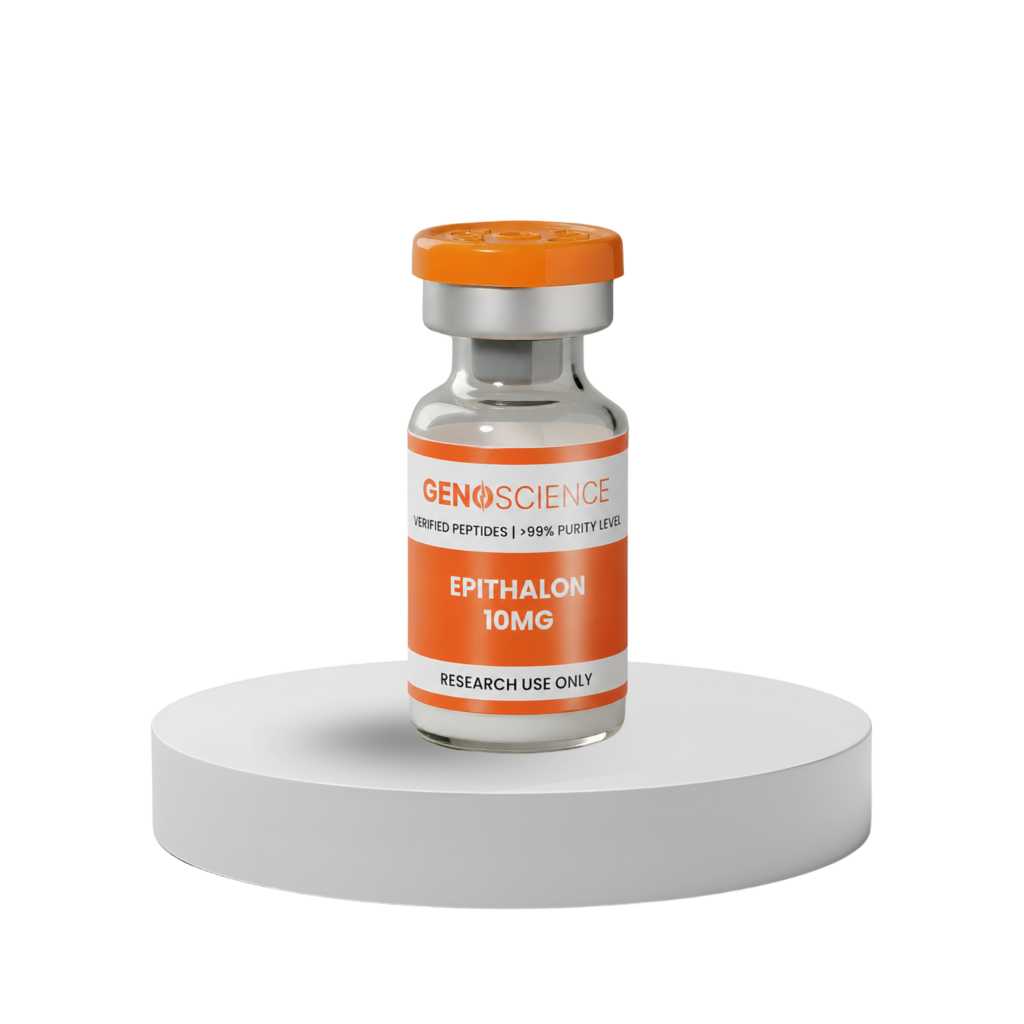
$135.00 Original price was: $135.00.$110.00Current price is: $110.00. / month
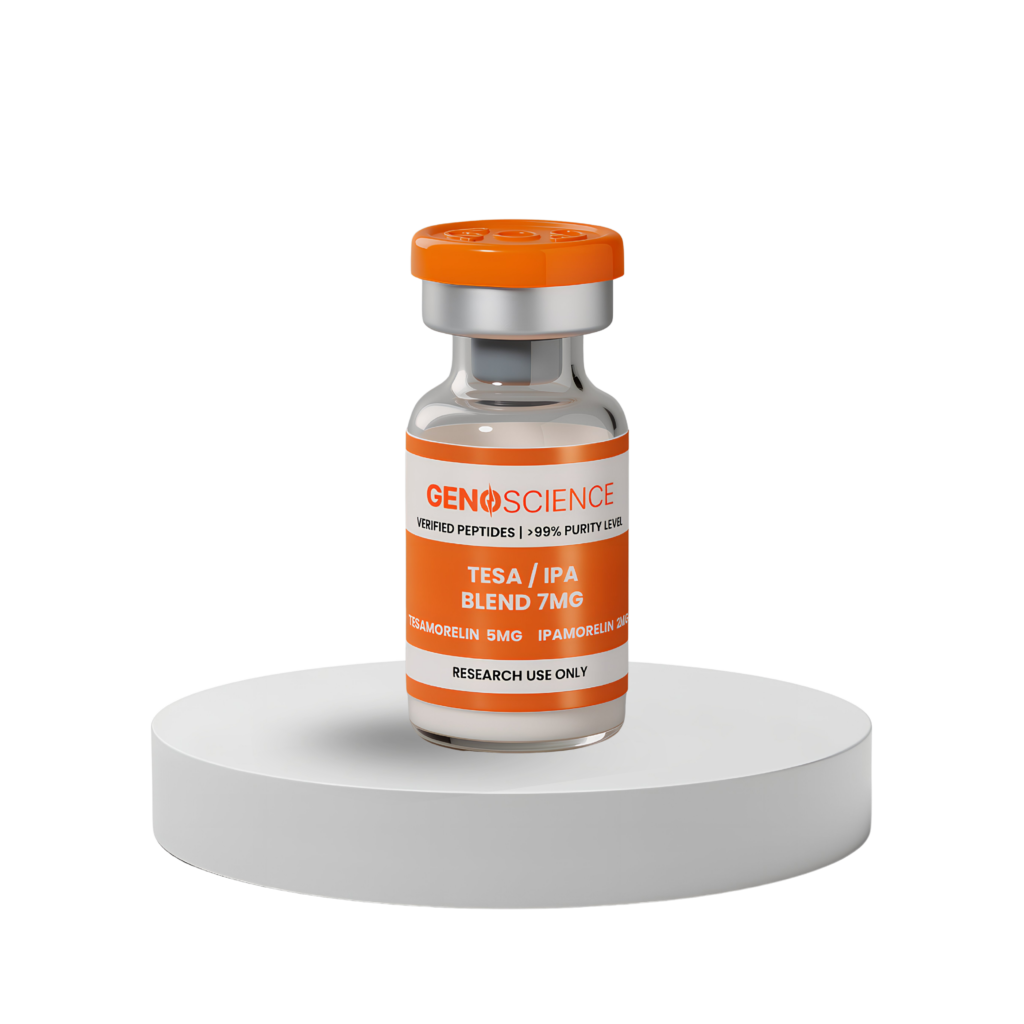
$600.00 Original price was: $600.00.$450.00Current price is: $450.00. / month
$360.00 Original price was: $360.00.$250.00Current price is: $250.00. / month
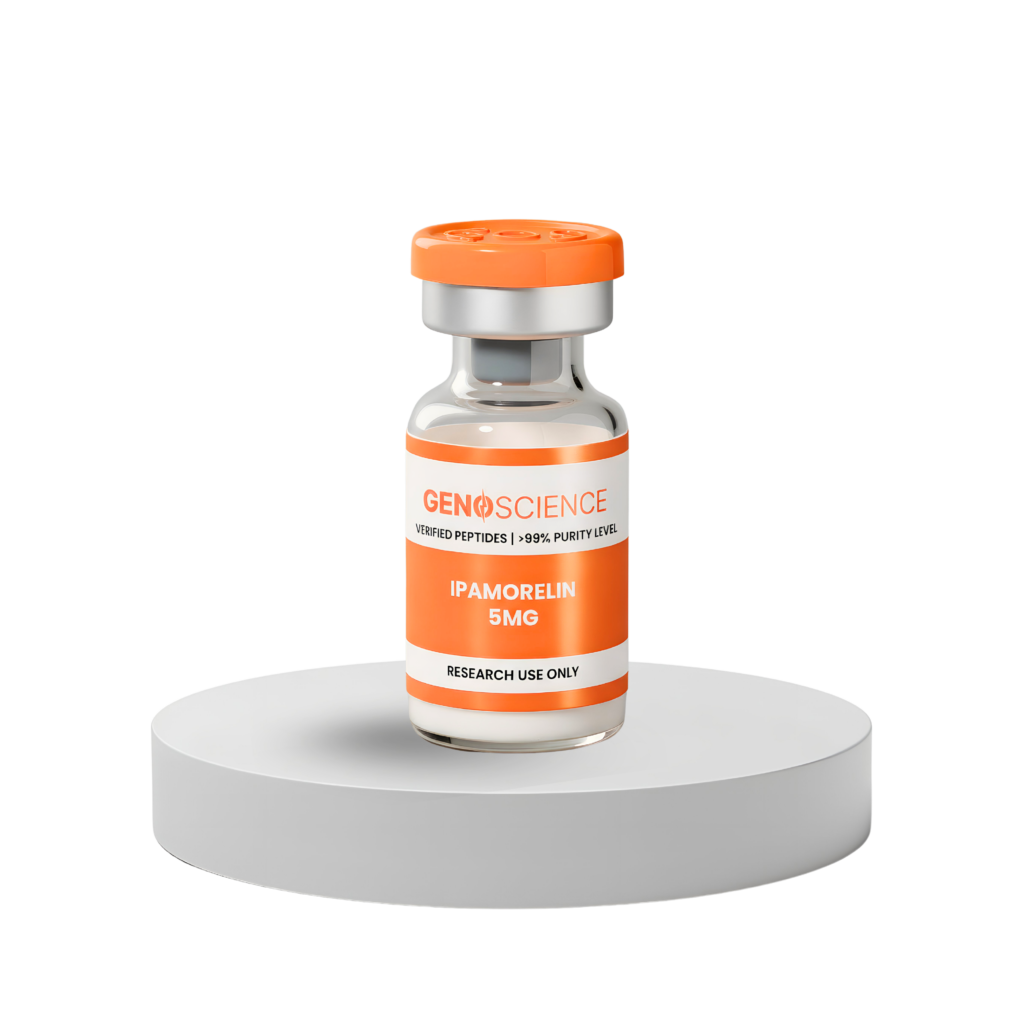
$130.00 Original price was: $130.00.$100.00Current price is: $100.00. / month
$180.00 Original price was: $180.00.$100.00Current price is: $100.00. / month
$400.00 Original price was: $400.00.$220.00Current price is: $220.00. / month
You must be at least 21 years old to enter Genoscience and review products intended for laboratory research use only.
Products are not for human or veterinary use, not for use in diagnostic procedures, and have not been evaluated by the U.S. Food and Drug Administration.