


$100.00 Original price was: $100.00.$50.00Current price is: $50.00.
Compound: Semaglutide (GLP-1 Receptor Agonist)
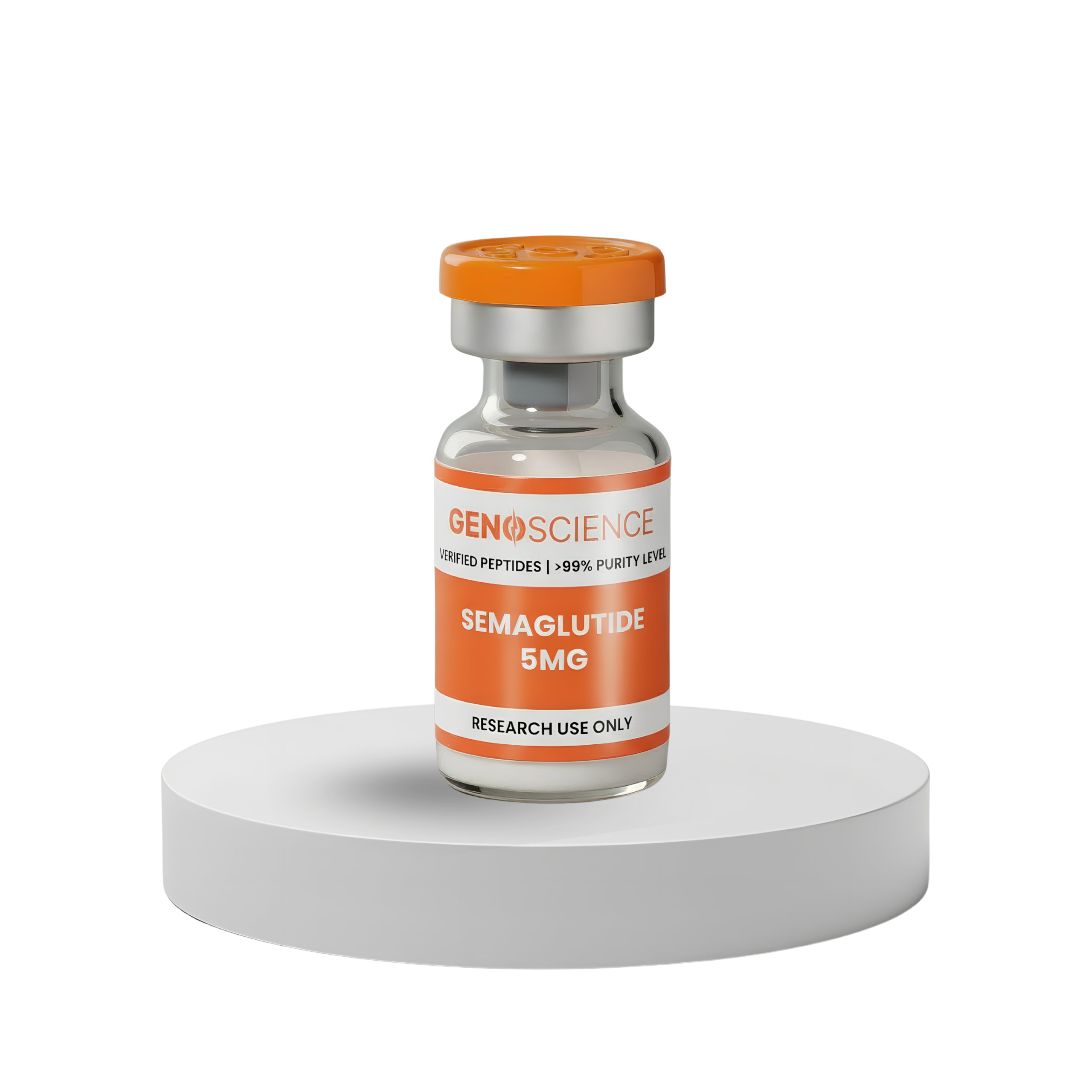
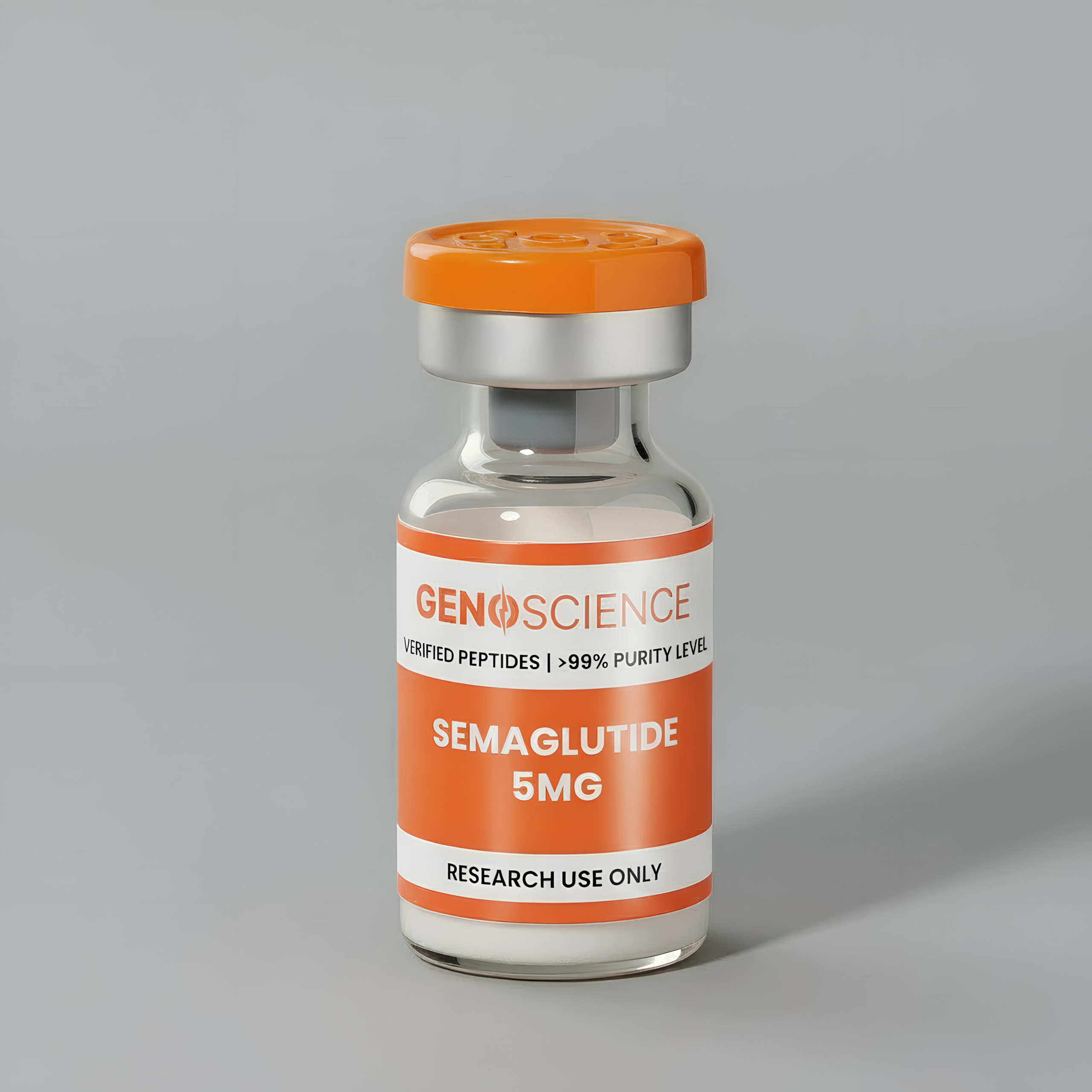
Amount: 5mg per vial
Format: Lyophilized Powder
Chemical Classification: Synthetic Acylated GLP-1 Analog
Research Target: Glucagon-Like Peptide-1 Receptor (GLP-1R)
Chemical Profile: Semaglutide is a 31-amino-acid analog of human GLP-1(7–37) with two amino-acid substitutions and a fatty diacid side chain. These structural features are studied in peptide engineering, albumin binding, resistance to enzymatic degradation and GLP-1 receptor pharmacology. Semaglutide serves as a selective GLP-1R reference compound in comparisons with dual- and triple-receptor agonists.
Research Use Only. Not for human or veterinary use.
Semaglutide is a synthetic peptide analog based on the 31-amino-acid human GLP-1(7–37) sequence. GLP-1 belongs to a group of peptide hormones involved in signaling through the glucagon-like peptide-1 receptor (GLP-1R).
The molecular design of semaglutide differs from native GLP-1 in two amino-acid substitutions and a fatty diacid modification. These features are important topics in peptide design and receptor pharmacology.
| Specification | Details |
|---|---|
| Compound | Semaglutide |
| CAS Number | 910463-68-2 |
| Classification | Acylated Synthetic GLP-1 Analog |
| Peptide Length | 31 Amino Acids |
| Receptor Target | GLP-1R |
| Amino-Acid Substitutions | Aib8 and Arg34 |
| Side-Chain Modification | C18 Fatty Diacid at Lys26 via a linker |
| Molecular Formula | C187H291N45O59 |
| Molecular Weight | Approximately 4,113.6 g/mol |
| Product Form | Lyophilized Powder |
| Amount | 5mg per Vial |
| Research Category | GLP-1 Receptor and Peptide-Design Research |
Native GLP-1 is subject to enzymatic processing and has different chemical features from semaglutide. The engineered modifications distinguish semaglutide as a defined analog while preserving its identity as a GLP-1 receptor ligand.
This structure makes semaglutide relevant to studies comparing native hormones with chemically modified peptide analogs.
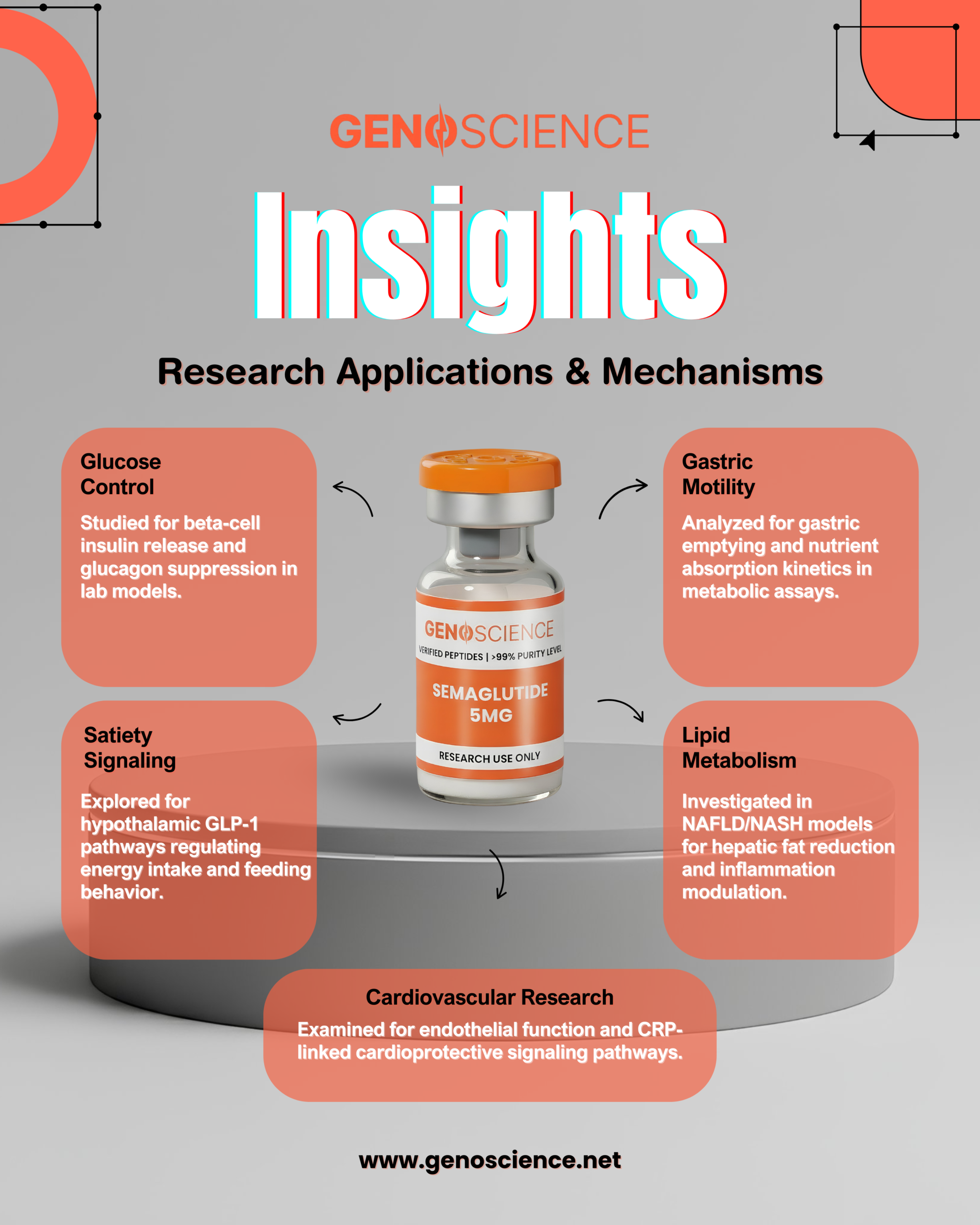
Semaglutide is studied as an agonist of the glucagon-like peptide-1 receptor (GLP-1R). GLP-1R is a G-protein-coupled receptor involved in signaling pathways that can be characterized in controlled receptor-expressing cell systems.
Laboratory researchers use GLP-1R agonists to study receptor recognition, ligand binding and the generation of intracellular signals. Semaglutide provides a chemically defined reference for these experiments.
One common experimental approach for investigating GLP-1R agonists is measurement of cyclic adenosine monophosphate, or cAMP. This second messenger is associated with G-protein activation following receptor stimulation.
In receptor assays, researchers compare cAMP responses produced by different ligands under defined conditions. These measurements help describe signaling behavior without requiring an assumption about clinical outcomes.
Natural GLP-1 is susceptible to cleavage by the enzyme dipeptidyl peptidase-4 (DPP-4). The Aib substitution in semaglutide is part of a molecular design studied for its resistance to that enzymatic pathway.
The role of amino-acid substitution in changing peptide susceptibility to enzymatic processing is a broader subject in medicinal chemistry and peptide engineering. Semaglutide is an example of how a modified peptide sequence can be studied relative to its native reference.
Semaglutide contains a C18 fatty diacid side chain attached at Lys26. Acylated peptide research examines how such modifications affect interactions with albumin.
Albumin-related assays are important because binding to a carrier protein can influence the concentration of unbound ligand in an experimental system. Researchers studying a modified GLP-1 analog may therefore consider the presence or absence of albumin in the assay environment.
Semaglutide is also relevant to structure-activity research, in which investigators compare peptide sequences and chemical modifications to understand how they relate to receptor binding and signaling.
Useful experimental comparisons include native GLP-1, other acylated GLP-1 analogs and related receptor ligands. Distinct molecular preparations may yield different assay results even when they share a general receptor target.
Semaglutide is primarily characterized as a selective GLP-1R agonist. Tirzepatide provides a contrasting example of a dual GIPR/GLP-1R ligand. Triple-receptor research compounds include GCGR as an additional target.
These categories make it possible to organize comparative research according to receptor coverage. Each compound’s chemical design and experimental assay results should be considered individually.
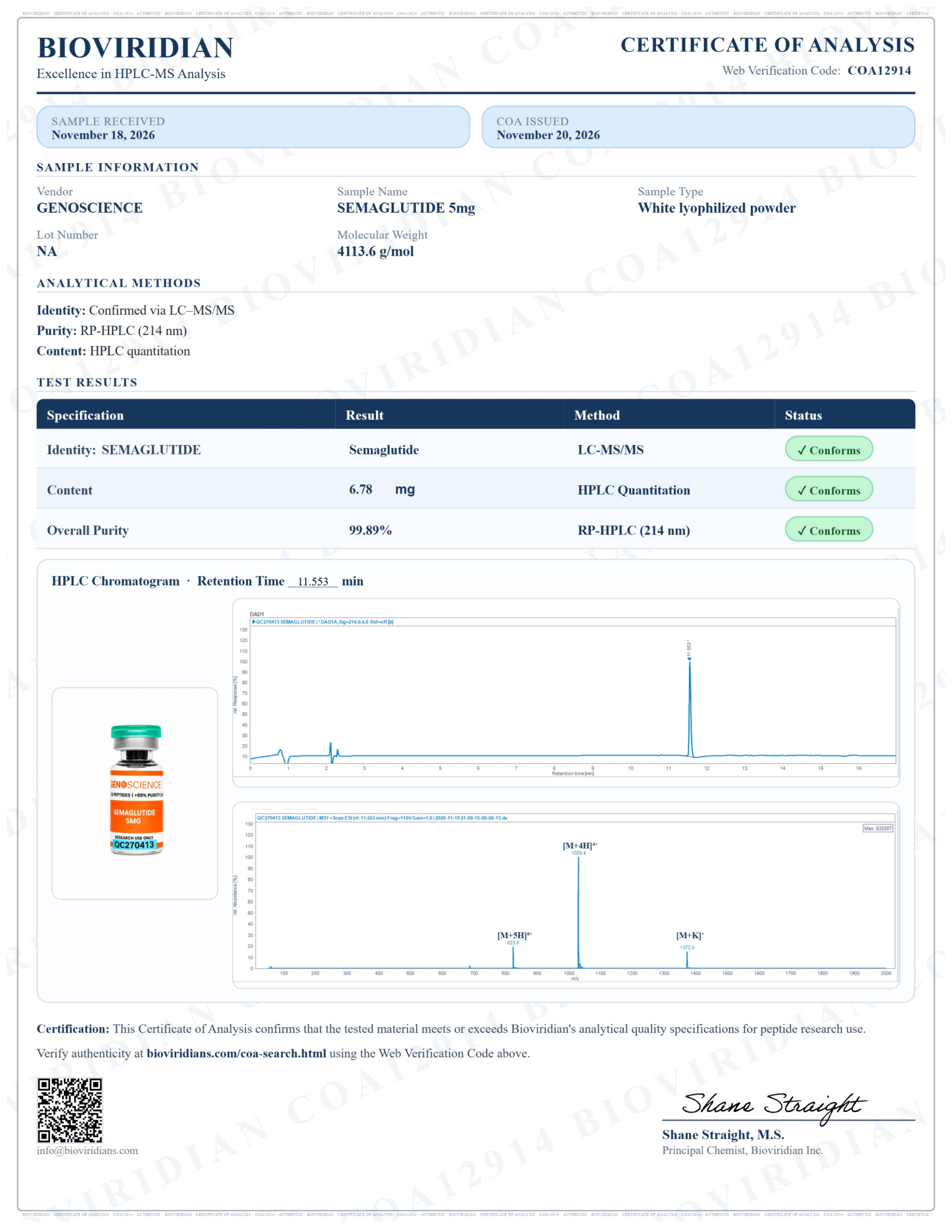
Certificates of Analysis (COAs) are posted on the product page when available. To request documentation for a specific lot, contact the Genoscience team with the lot number.
Keep unopened lyophilized research material at −20 °C in a dry environment, protected from light and moisture. Allow the sealed vial to reach room temperature before opening to reduce condensation.
Handle using suitable laboratory protective equipment and standard research-facility procedures.
Research Use Only: This product is intended strictly for laboratory research and development.
Not for Human or Veterinary Use: Not intended for human consumption, administration or veterinary applications.
Not an Approved Medicine: This material is not marketed as an FDA-approved drug or treatment.
Research Limitations: Laboratory findings on receptor signaling and peptide structure do not establish clinical properties, safety or efficacy for the supplied research product.
Semaglutide is a synthetic 31-amino-acid GLP-1 analog. It contains two amino-acid substitutions and a fatty diacid modification that distinguish it from native GLP-1.
Semaglutide is primarily a GLP-1R agonist, while tirzepatide engages both GLP-1R and GIPR. They are distinct research compounds with different receptor-target profiles.
Genoscience lists Semaglutide 5mg as one vial containing 5mg of lyophilized research material.
The Aib substitution is a structural feature studied in relation to resistance to DPP-4-mediated peptide cleavage.
The side chain is part of the peptide’s chemical design and is studied in relation to albumin binding and the properties of acylated peptide analogs.
Studies of GLP-1 receptor binding, cAMP signaling, peptide modifications and comparisons with dual- or triple-receptor ligands commonly discuss semaglutide.
When available, the COA for Semaglutide 5mg can be found on the product page. You may also contact Genoscience to request a COA or ask about documentation availability for a specific lot.
No. Genoscience sells Semaglutide 5mg strictly for laboratory research purposes. It is not intended for human or veterinary use.
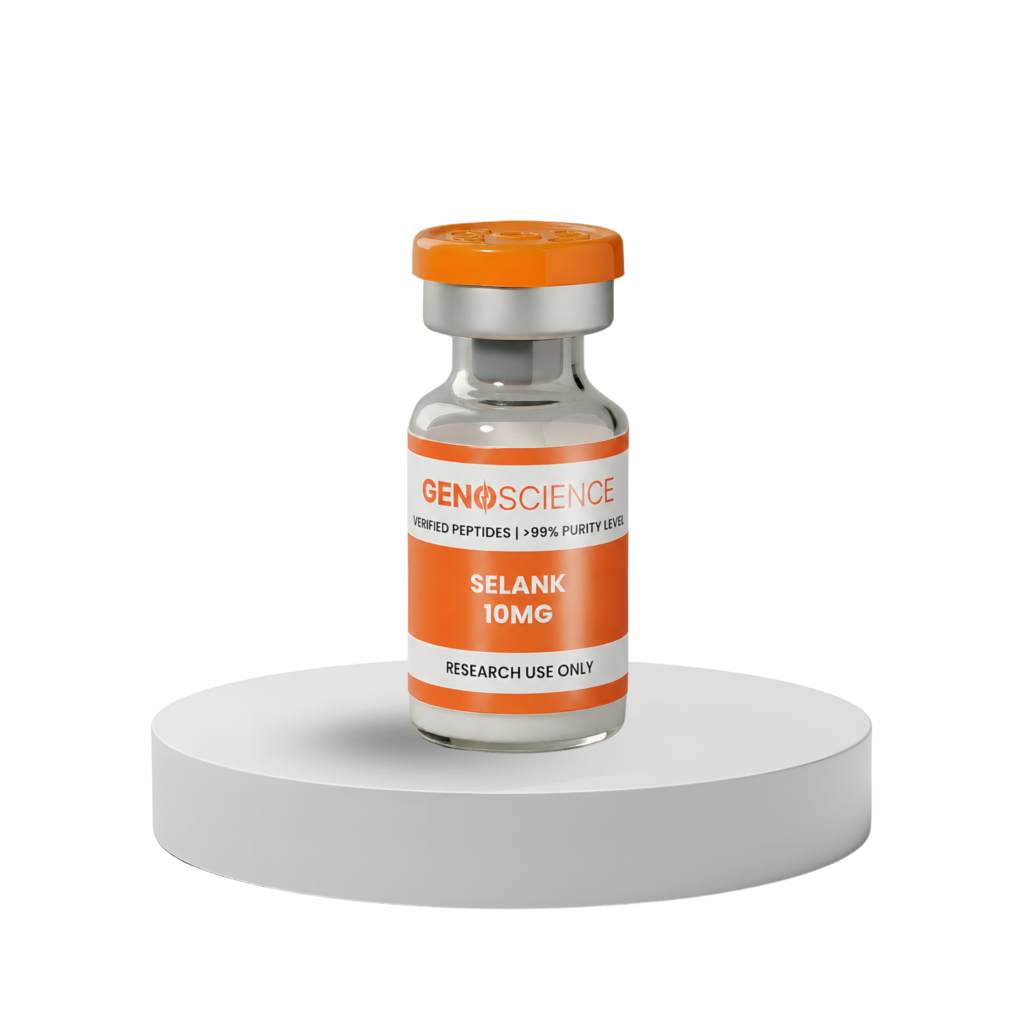
$165.00 Original price was: $165.00.$130.00Current price is: $130.00. / month
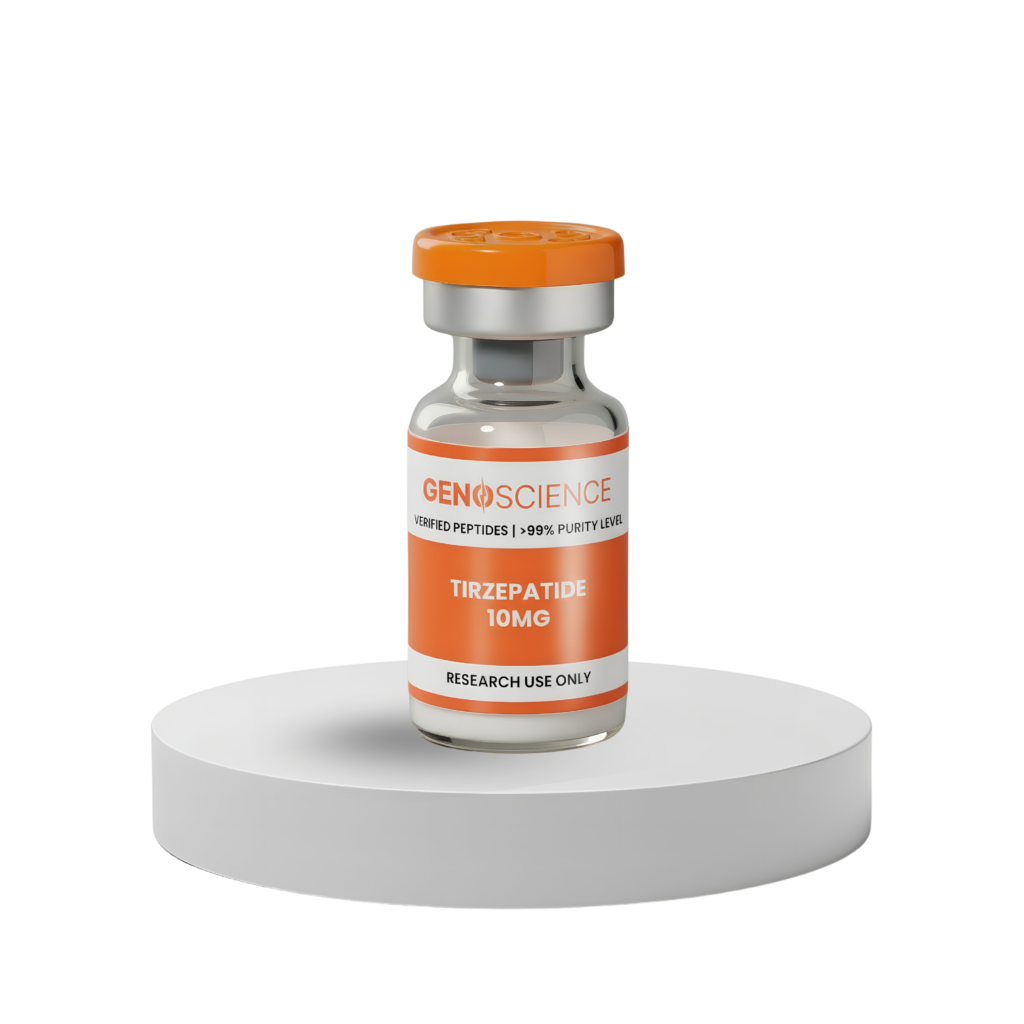
$300.00 Original price was: $300.00.$195.00Current price is: $195.00. / month
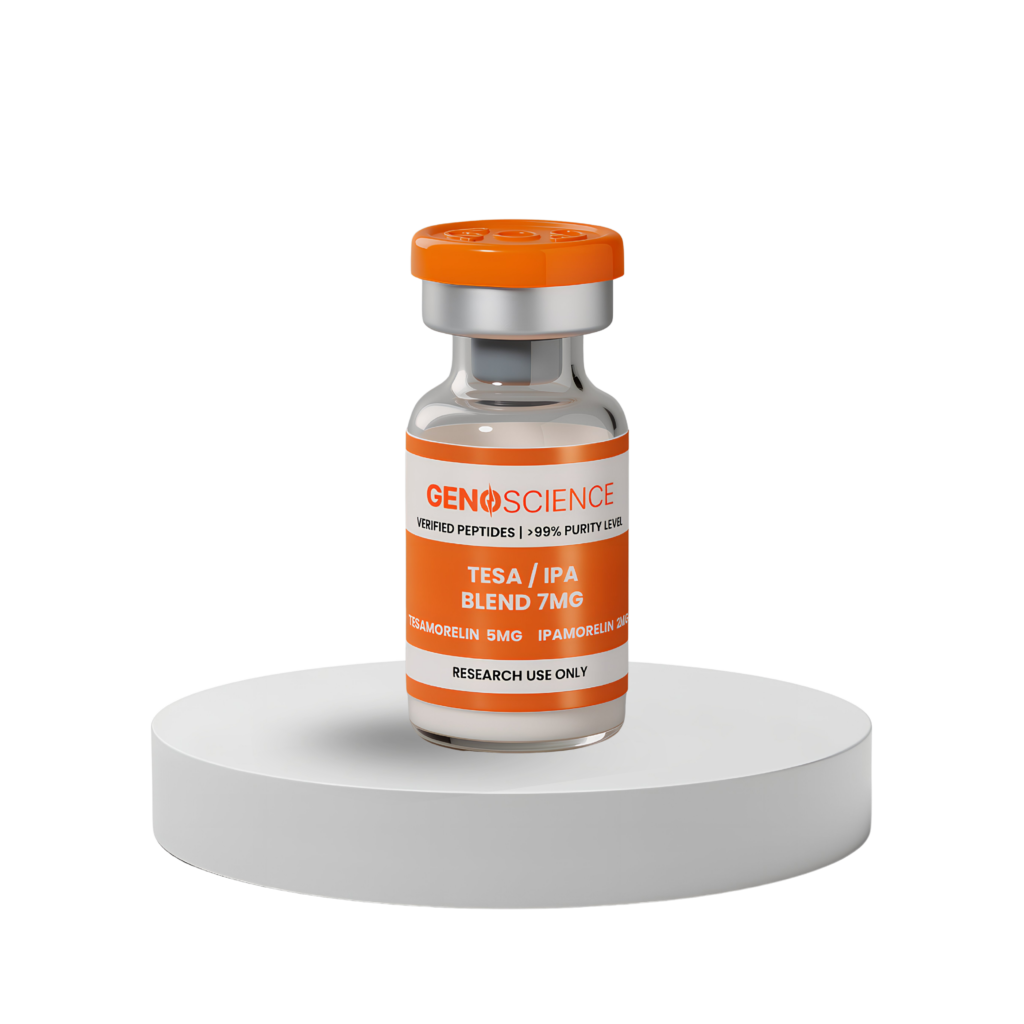
$600.00 Original price was: $600.00.$450.00Current price is: $450.00. / month
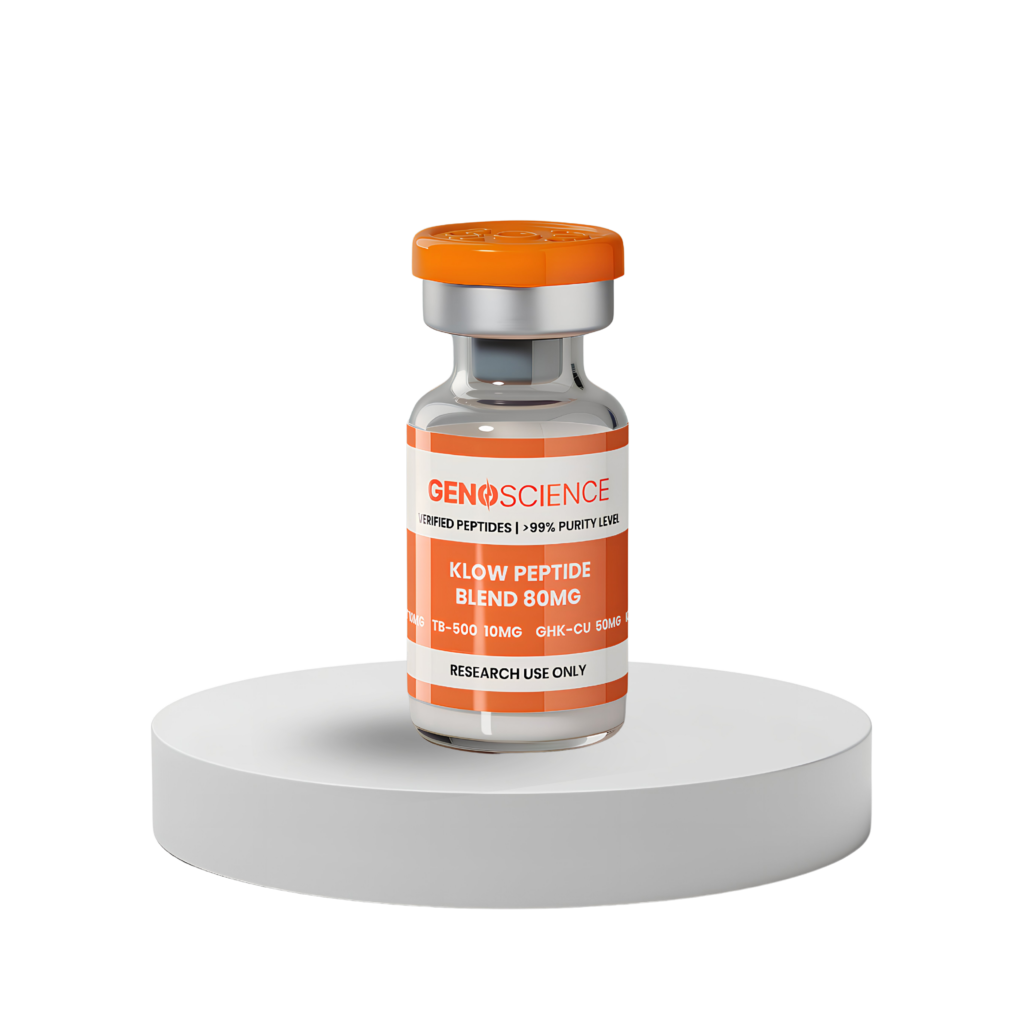
$400.00 Original price was: $400.00.$250.00Current price is: $250.00. / month
$180.00 Original price was: $180.00.$100.00Current price is: $100.00. / month
$450.00 Original price was: $450.00.$190.00Current price is: $190.00. / month
You must be at least 21 years old to enter Genoscience and review products intended for laboratory research use only.
Products are not for human or veterinary use, not for use in diagnostic procedures, and have not been evaluated by the U.S. Food and Drug Administration.