




Compound: PEG-MGF (Pegylated Mechano Growth Factor)
Amount: 2mg per vial
Format: Lyophilized Powder
Chemical Classification: PEG-Modified Research Peptide
Chemical Profile: PEG-MGF is a polyethylene-glycol-modified material associated with mechano growth factor (MGF) E-domain peptide research. The MGF name is linked to alternative splicing of the IGF-1 gene and the IGF-1Ec E-domain. PEGylation is a chemical modification studied in peptide design, and published findings on unmodified MGF peptides should be distinguished from findings involving PEG-conjugated materials.
Research Use Only. Not for human or veterinary use.
PEG-MGF refers to a PEGylated form of a peptide associated with the mechano growth factor (MGF) E-domain. MGF is a name used in the literature for an IGF-1 splice-variant context, including IGF-1Ec in humans.
The term PEGylated indicates attachment of polyethylene glycol (PEG), a polymer used in peptide and protein engineering. PEG conjugation changes the chemical identity of a peptide material compared with its unmodified counterpart. The size of the PEG chain and where it attaches are relevant to describing a specific preparation.
| Specification | Details |
|---|---|
| Compound | PEG-MGF |
| Full Name | Pegylated Mechano Growth Factor |
| Research Classification | PEG-Modified Peptide Material |
| Related Research Sequence | MGF E-Domain Peptide |
| Format | Lyophilized Powder |
| Amount | 2mg per Vial |
| Research Category | Peptide Modification & IGF-1 Splice-Variant Research |
IGF-1Ec refers to a splice variant of the IGF-1 gene. The E-domain region associated with this variant is discussed in MGF research, where a synthetic peptide representing a portion of the E-domain has been studied experimentally.
MGF E-domain peptide and PEG-MGF should not be treated as interchangeable material names. A PEG-conjugated peptide differs chemically from an unconjugated E-domain sequence. Research on one preparation does not directly establish the properties of another.
A central topic in mechano growth factor research is the production of alternative IGF-1 transcripts. Different IGF-1 splice variants contain distinct E-domain sequences, and their expression has been studied in muscle-related experimental systems.
Scientific discussions distinguish mature IGF-1 from precursor and E-domain-derived peptide material. This distinction helps explain why research papers using the term MGF may describe different molecular substances.
Researchers have investigated synthetic peptides corresponding to the C-terminal region of an MGF-related E-domain. Such studies explore whether isolated peptide sequences can be characterized and studied separately from the full precursor protein.
The sequence, peptide length and any chemical modifications are central to interpreting the results. A study using a 24-residue E-domain peptide does not necessarily represent a study of every commercial preparation labeled MGF.
PEGylation is a modification in which polyethylene glycol is linked to a peptide or protein. In peptide engineering, PEG attachment is studied for its influence on properties such as solubility, physicochemical behavior, and susceptibility to degradation.
These effects depend on the peptide, PEG-chain characteristics and conjugation chemistry. The general rationale for PEGylation does not itself establish a particular stability improvement or biological outcome for PEG-MGF.
Published studies on synthetic MGF E-domain peptides have investigated cultured muscle precursor cells and related laboratory models. Research questions have included cell migration, differentiation and the response of selected cell preparations to experimental peptides.
Findings across the MGF E-domain literature are not uniform. Some research has reported responses in specific models, while other experiments did not reproduce earlier reported effects. This makes study design and the tested molecular material important parts of the scientific record.
Much of the literature commonly cited for PEG-MGF concerns unmodified MGF-related sequences, IGF-1 splice variants or isolated E-domain peptides. Those publications are useful background but should not be read as direct studies of PEG-MGF unless the tested material was specifically PEG-conjugated.
For researchers, the important distinction is between gene-expression studies, experiments on synthetic MGF peptides and experiments on a defined PEG-modified preparation.
Certificates of Analysis (COAs) are posted on the product page when available. To request documentation for a specific lot, contact the Genoscience team with the lot number.
Keep unopened lyophilized research material protected from light and moisture. Frozen storage at −20 °C is commonly used for peptide research materials. Allow a sealed vial to reach room temperature before opening to minimize condensation.
Handle using standard laboratory protective equipment and facility procedures.
Research Use Only: This product is intended strictly for laboratory research and development.
Not for Human or Veterinary Use: Not intended for human consumption, administration, or veterinary applications.
Not an Approved Medicine: This material is not marketed as an FDA-approved drug or treatment.
Research Limitations: Studies of unmodified MGF E-domain peptides do not establish the properties or clinical outcomes of PEG-MGF.
PEG-MGF is a PEG-modified peptide material associated with mechano growth factor E-domain research. The PEG component distinguishes it from an unmodified MGF-related peptide.
MGF is a term used for an IGF-1 splice-variant context, particularly the human IGF-1Ec E-domain. Studies may focus on gene expression, the precursor protein or synthetic E-domain-derived peptides.
PEG-MGF includes a polyethylene glycol modification. The attached PEG component changes the chemical preparation compared with an unconjugated MGF E-domain peptide.
The product is listed as 2mg of PEG-MGF research material supplied as lyophilized powder in a vial.
Not necessarily. Most studies commonly cited in this field examine unmodified E-domain peptides or IGF-1 splice variants rather than a defined PEGylated preparation.
When available, the COA for PEG-MGF 2mg can be found on the product page. You may also contact Genoscience to request a COA or ask about documentation availability for a specific lot.
No. Genoscience sells PEG-MGF strictly for laboratory research purposes. It is not intended for human or veterinary use.
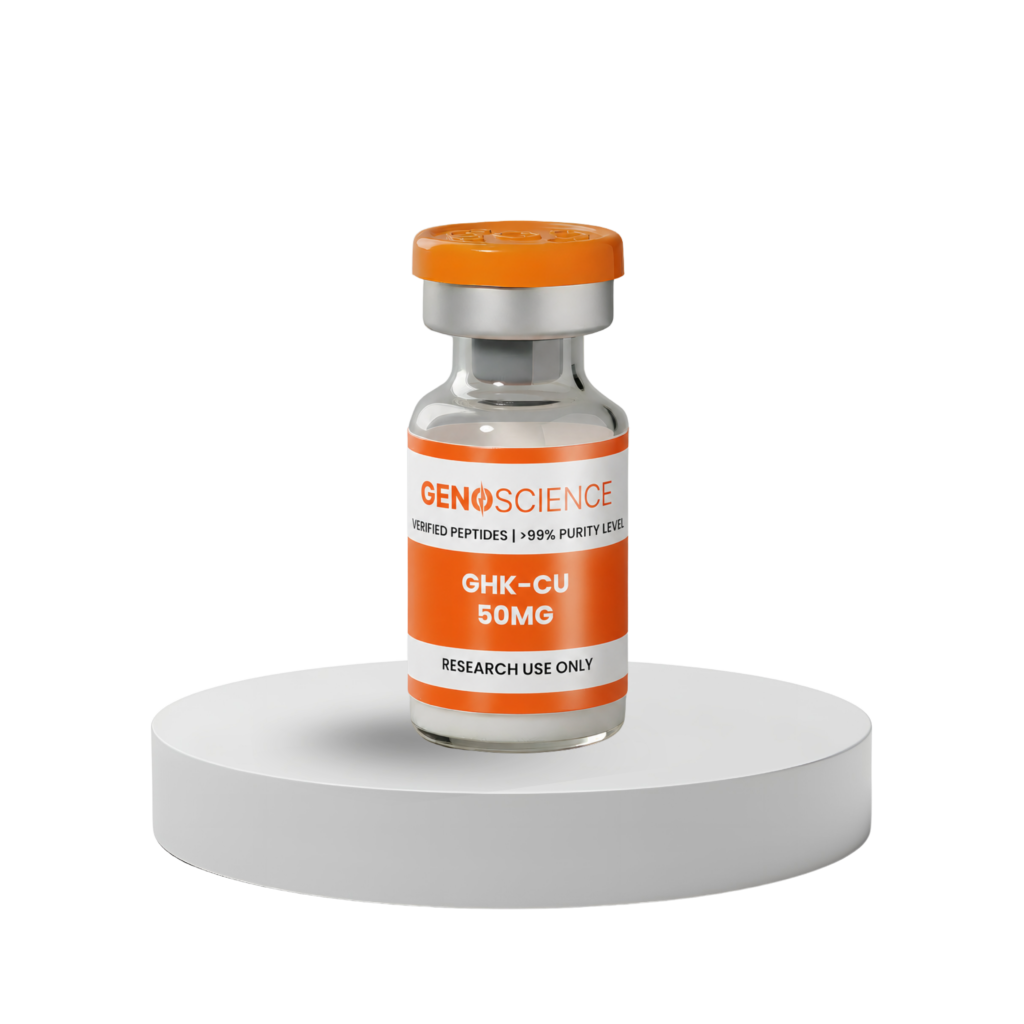
$120.00 Original price was: $120.00.$100.00Current price is: $100.00. / month
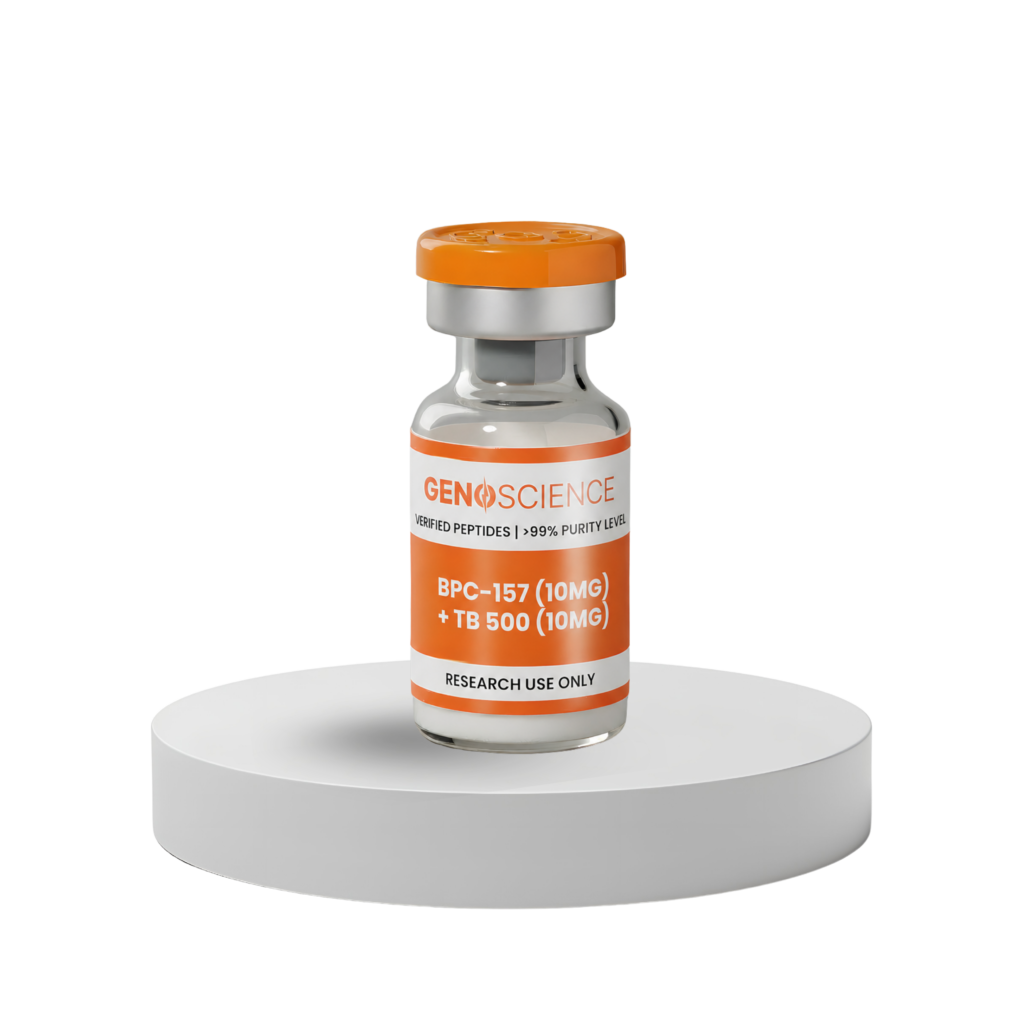
$255.00 Original price was: $255.00.$200.00Current price is: $200.00. / month
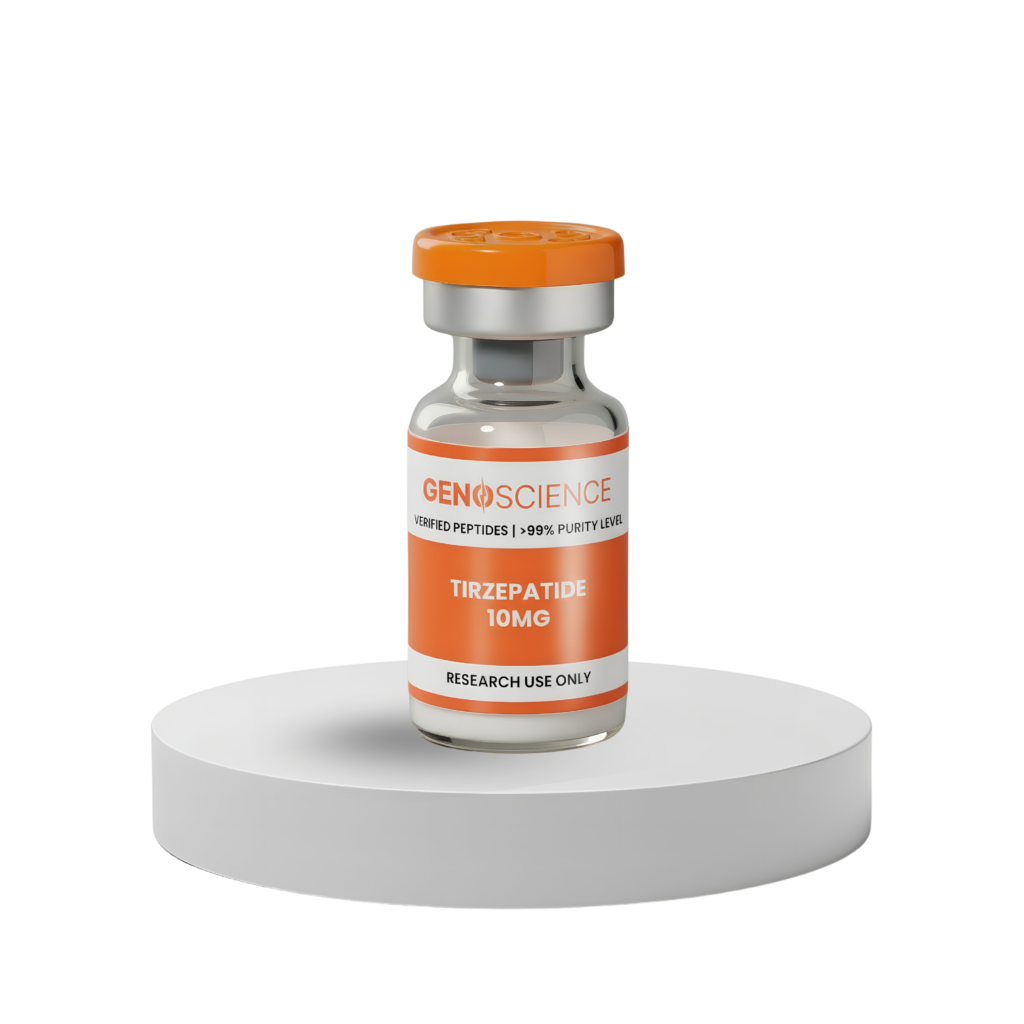
$520.00 Original price was: $520.00.$300.00Current price is: $300.00. / month
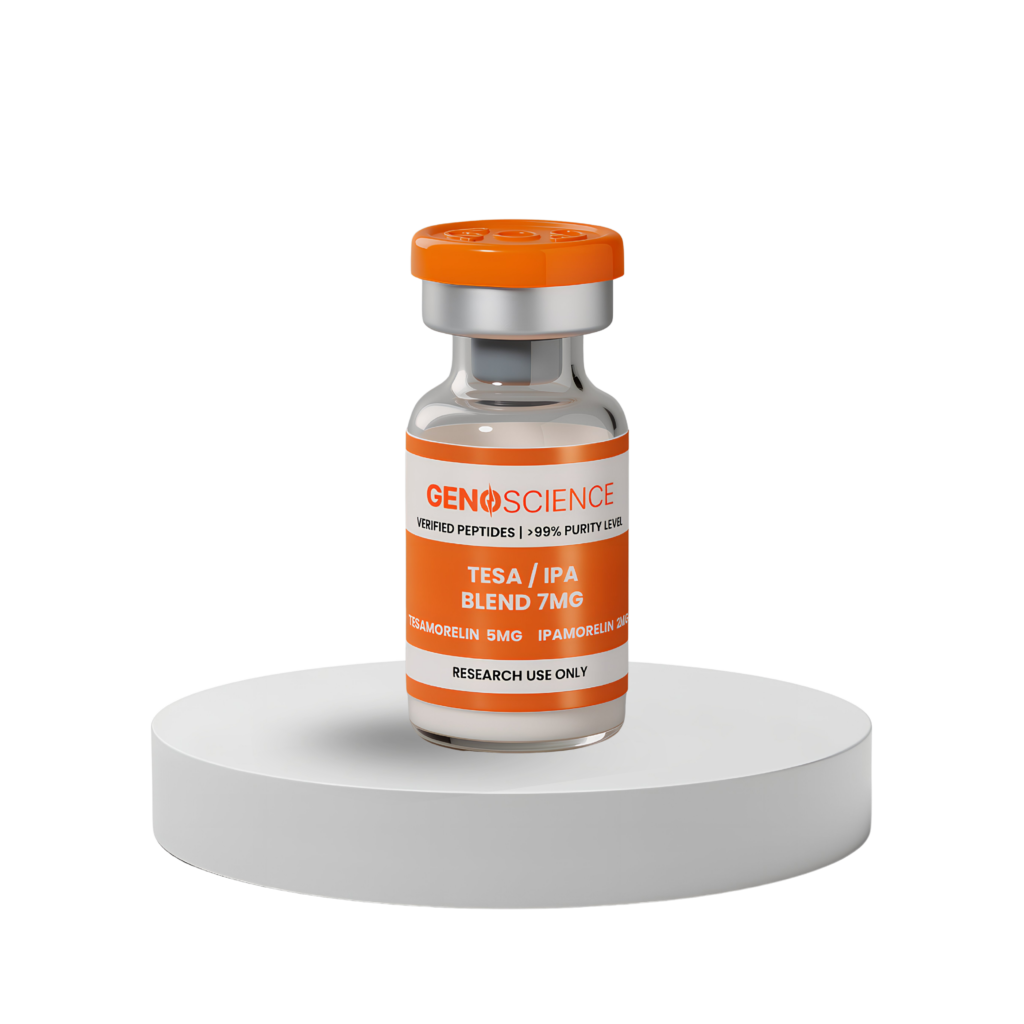
$600.00 Original price was: $600.00.$450.00Current price is: $450.00. / month
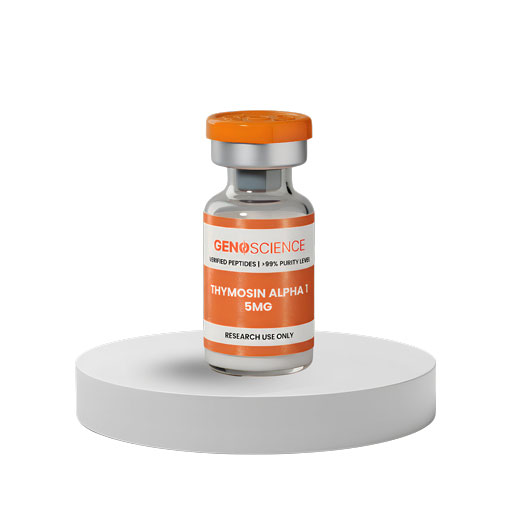
$360.00 Original price was: $360.00.$250.00Current price is: $250.00. / month
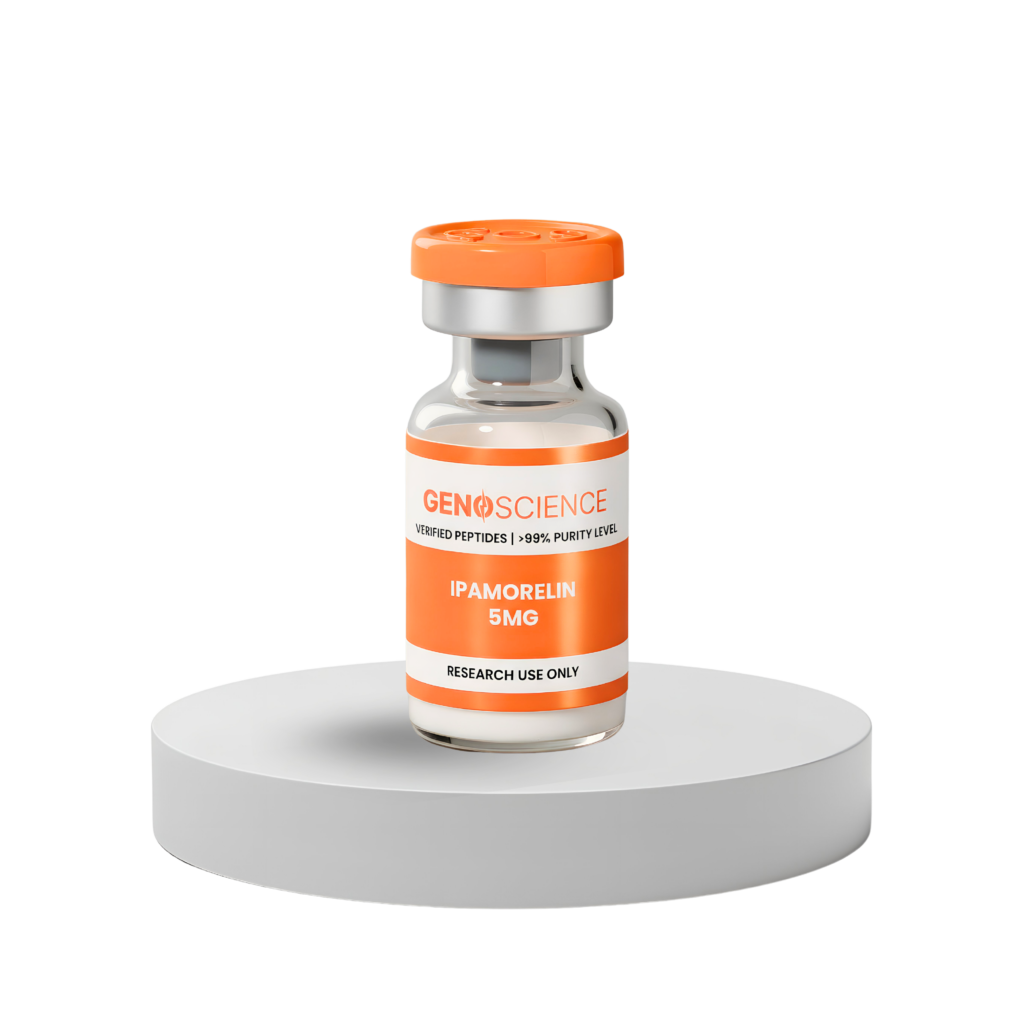
$130.00 Original price was: $130.00.$100.00Current price is: $100.00. / month
You must be at least 21 years old to enter Genoscience and review products intended for laboratory research use only.
Products are not for human or veterinary use, not for use in diagnostic procedures, and have not been evaluated by the U.S. Food and Drug Administration.