
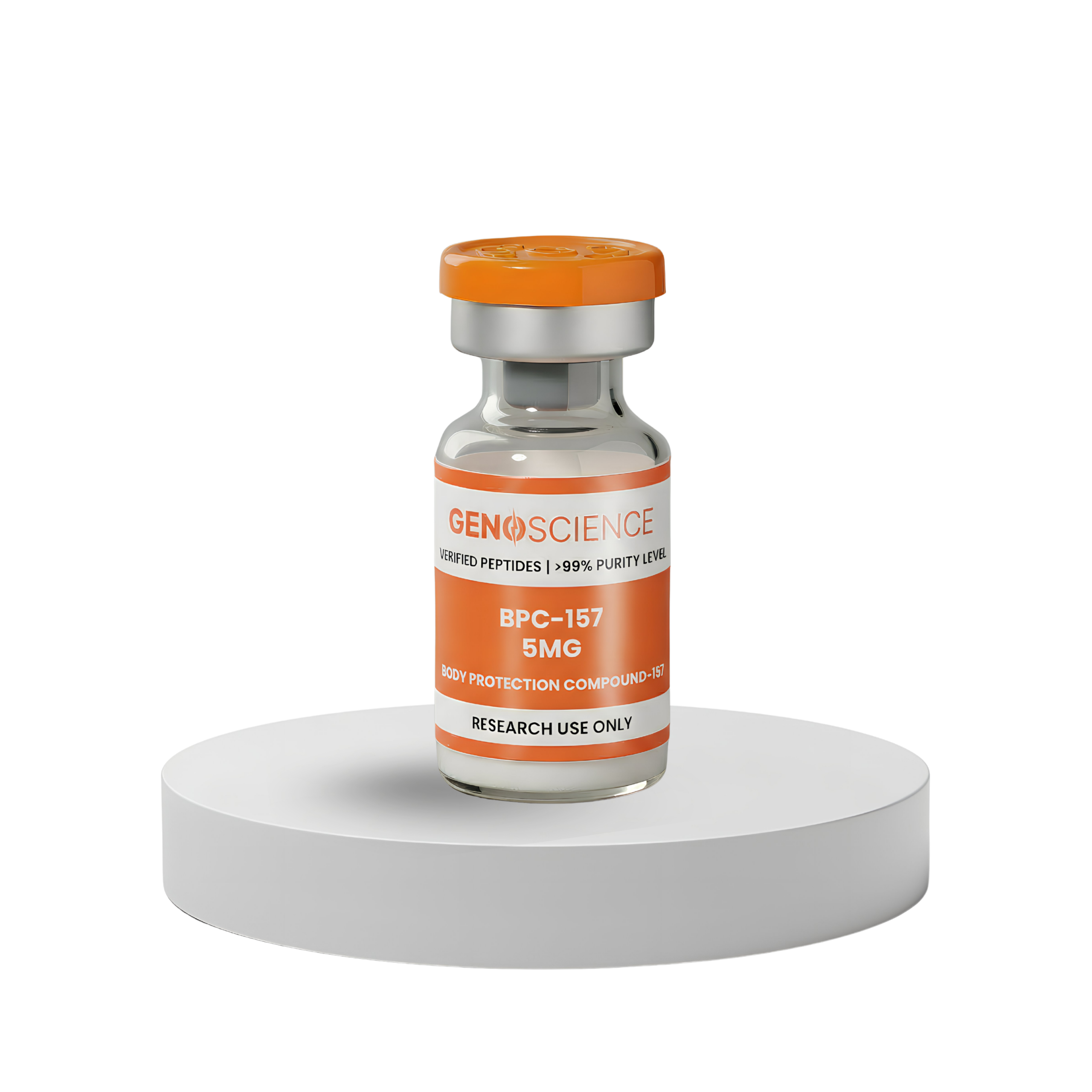
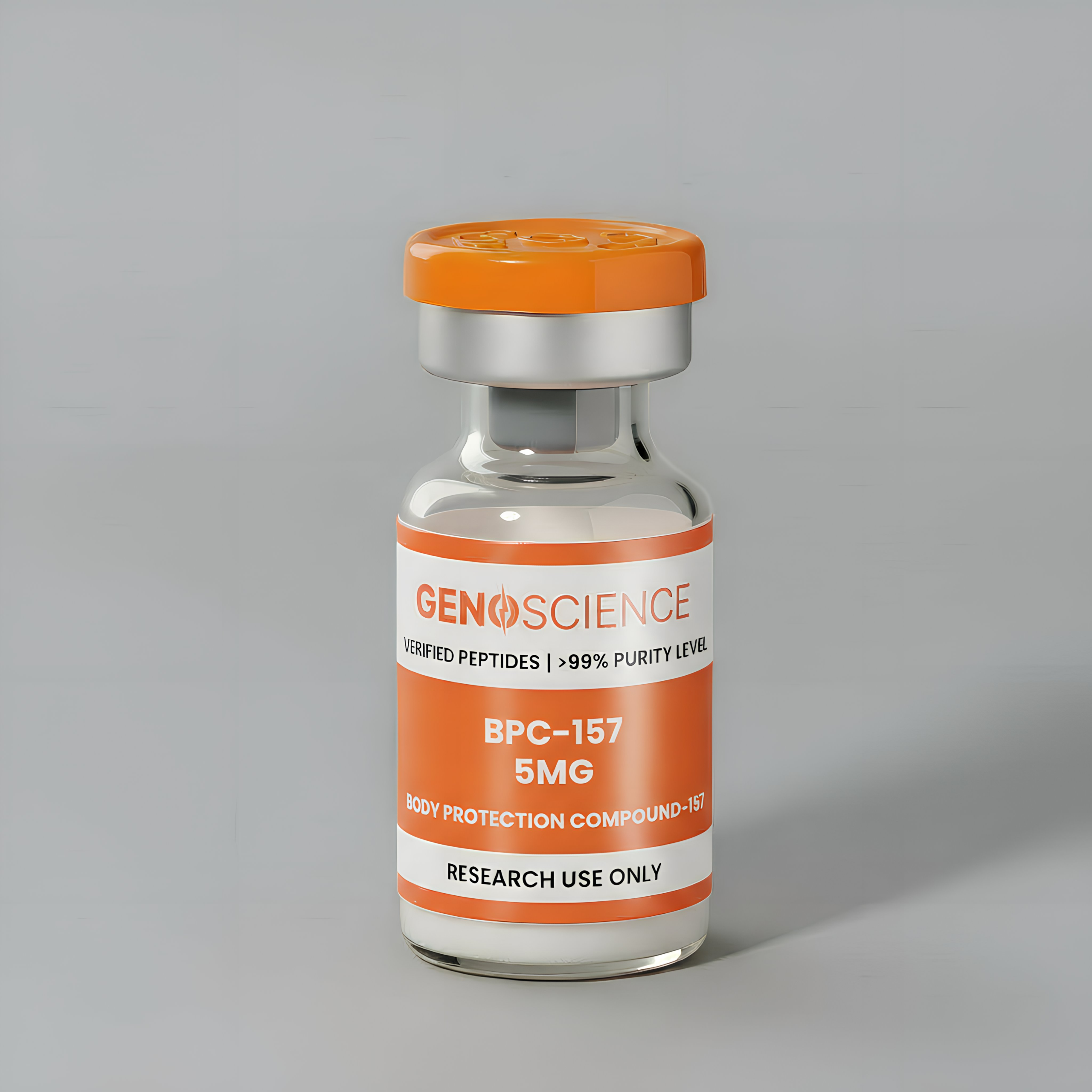


One vial 5 mg was $55 now $40
Compound: BPC-157 (Body Protection Compound-157)
Amount: 5mg per vial
Format: Lyophilized Powder
Chemical Classification: Synthetic Pentadecapeptide
Amino-Acid Length: 15 Residues
Chemical Profile: BPC-157 is a synthetic 15-amino-acid peptide with the sequence GEPPPGKPADDAGLV. It is discussed in predominantly preclinical research involving cell signaling, endothelial-cell models, nitric-oxide-associated pathways and selected laboratory tissue models. The published literature is limited and should not be interpreted as evidence of established clinical efficacy.
Research Use Only. Not for human or veterinary use.
BPC-157 is a synthetic peptide composed of 15 amino acids. It is commonly described as a sequence derived from a larger protein referred to in the literature as body protection compound (BPC).
The name identifies a particular peptide sequence and is not evidence that the material provides a protective or therapeutic effect. In scientific writing, structural information should be distinguished from results obtained in a particular experimental model.
| Specification | Details |
|---|---|
| Compound | BPC-157 |
| Classification | Synthetic Pentadecapeptide |
| Amino-Acid Length | 15 Residues |
| Amino-Acid Sequence | GEPPPGKPADDAGLV |
| Molecular Formula | C62H98N16O22 |
| Molecular Weight | Approximately 1,419.5 g/mol |
| CAS Number | 137525-51-0 |
| Product Form | Lyophilized Powder |
| Amount | 5mg per Vial |
| Research Area | Preclinical Cell-Signaling and Peptide Research |
Gly-Glu-Pro-Pro-Pro-Gly-Lys-Pro-Ala-Asp-Asp-Ala-Gly-Leu-Val
Single-letter sequence: GEPPPGKPADDAGLV.
These two notations describe the same 15-residue sequence. The identity of the full peptide should be distinguished from shorter fragments or differently modified preparations.
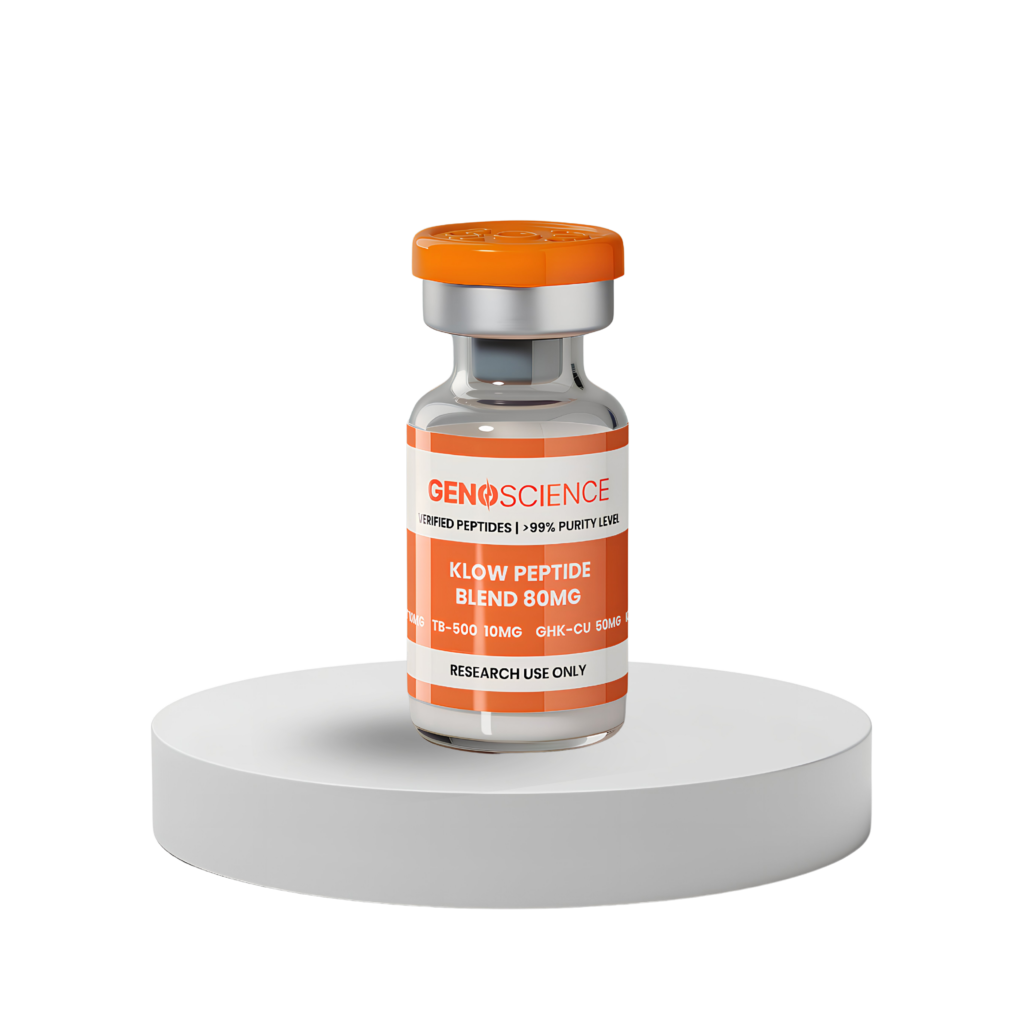
BPC-157 and TB-500 are names associated with different peptide research materials. BPC-157 is defined by its 15-residue sequence; TB-500 is associated with the thymosin beta-4 research family.
Their molecular identities are not interchangeable, even though they may appear together in multi-component research blends.
Most published BPC-157 research comes from preclinical studies rather than large, controlled human investigations. The studies include cell-culture experiments and animal models with defined molecular endpoints.
These models are useful for generating mechanistic research questions. They do not establish that the same findings would occur in humans or apply to a commercial research vial.
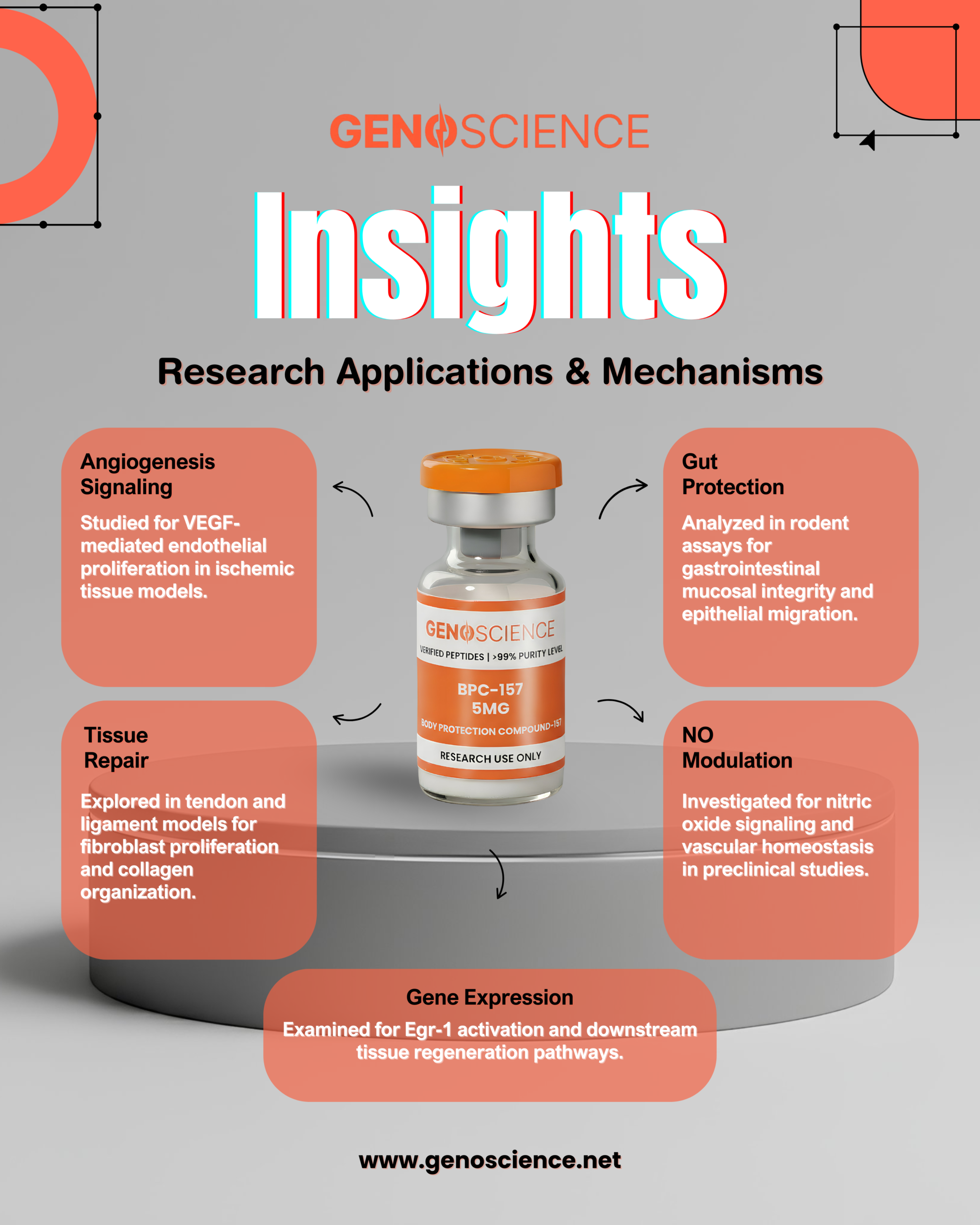
Some experimental BPC-157 studies examine endothelial cells, which line blood vessels, and related signaling pathways.
Laboratory measurements can include changes in cellular behavior, selected gene-expression markers and biochemical responses. The observed effects depend on the cell model, study design and experimental conditions.
Nitric oxide (NO) is a cellular signaling molecule associated with many physiological processes. The BPC-157 literature includes preclinical investigations relating the peptide to NO-associated signaling.
A measured change in an NO-related experimental endpoint is a mechanism-level observation.
Certain BPC-157 research reports discuss vascular endothelial growth factor (VEGF) signaling and pathways involving endothelial-cell responses.
These publications form part of the experimental background for studying the peptide. Findings from an individual laboratory or animal system should be interpreted in that system rather than generalized across different tissue types.
Some papers study BPC-157 in rodent tissue models. Reported endpoints vary by research group and experimental design.
The overall evidence base is uneven, with limited independent replication in many areas.
Certificates of Analysis (COAs) are posted on the product page when available. To request documentation for a specific lot, contact the Genoscience team with the lot number.
Keep unopened lyophilized vials at −20 °C in a dry environment away from light and moisture. Allow the sealed vial to reach room temperature before opening to reduce condensation.
Handle using suitable laboratory protective equipment and standard research-facility procedures.
Research Use Only: This product is intended strictly for scientific laboratory research and development.
Not for Human or Veterinary Use: Not intended for human consumption, administration or veterinary applications.
Not an Approved Medicine: This product is not marketed as an FDA-approved drug or treatment.
Research Limitations: The BPC-157 evidence base is primarily preclinical, with limited high-quality human data. Experimental findings do not establish the clinical efficacy or safety of the supplied research material.
BPC-157 is a synthetic pentadecapeptide, meaning it contains 15 amino-acid residues, and is studied in preclinical peptide and cell-signaling research.
The sequence is GEPPPGKPADDAGLV, or Gly-Glu-Pro-Pro-Pro-Gly-Lys-Pro-Ala-Asp-Asp-Ala-Gly-Leu-Val.
No. BPC-157 is a distinct 15-amino-acid peptide. TB-500 refers to thymosin beta-4-related research material and belongs to a different peptide family.
BPC-157 5mg is a single-peptide product. The BPC-157 / TB-500 Peptide Blend is a mixture of BPC-157 and TB-500.
The literature primarily includes cell and animal experiments examining molecular pathways. High-quality human clinical evidence remains limited.
When available, the COA for BPC-157 5mg can be found on the product page. You may also contact Genoscience to request a COA or ask about documentation availability for a specific lot.
No. Genoscience sells BPC-157 5mg strictly for laboratory research purposes. It is not intended for human or veterinary use.
$135.00 Original price was: $135.00.$110.00Current price is: $110.00. / month
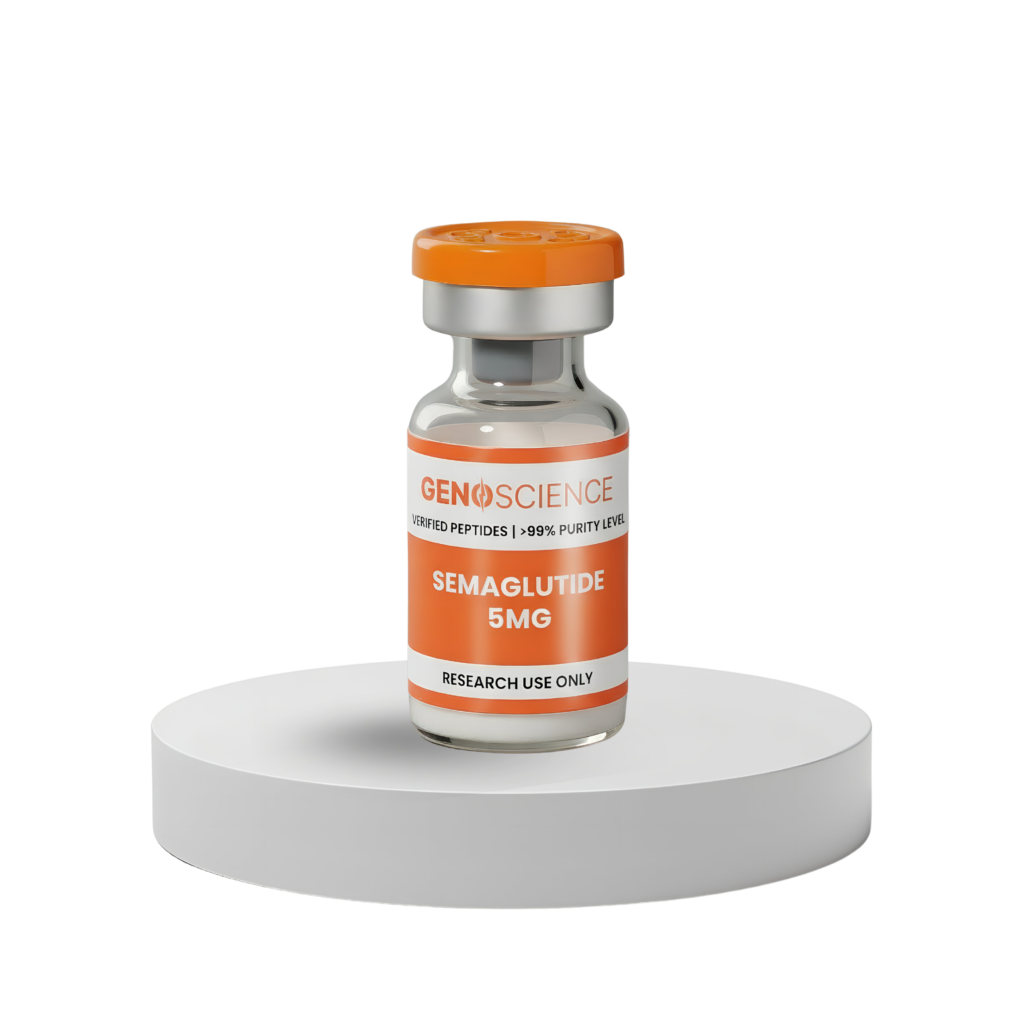
$300.00 Original price was: $300.00.$100.00Current price is: $100.00. / month
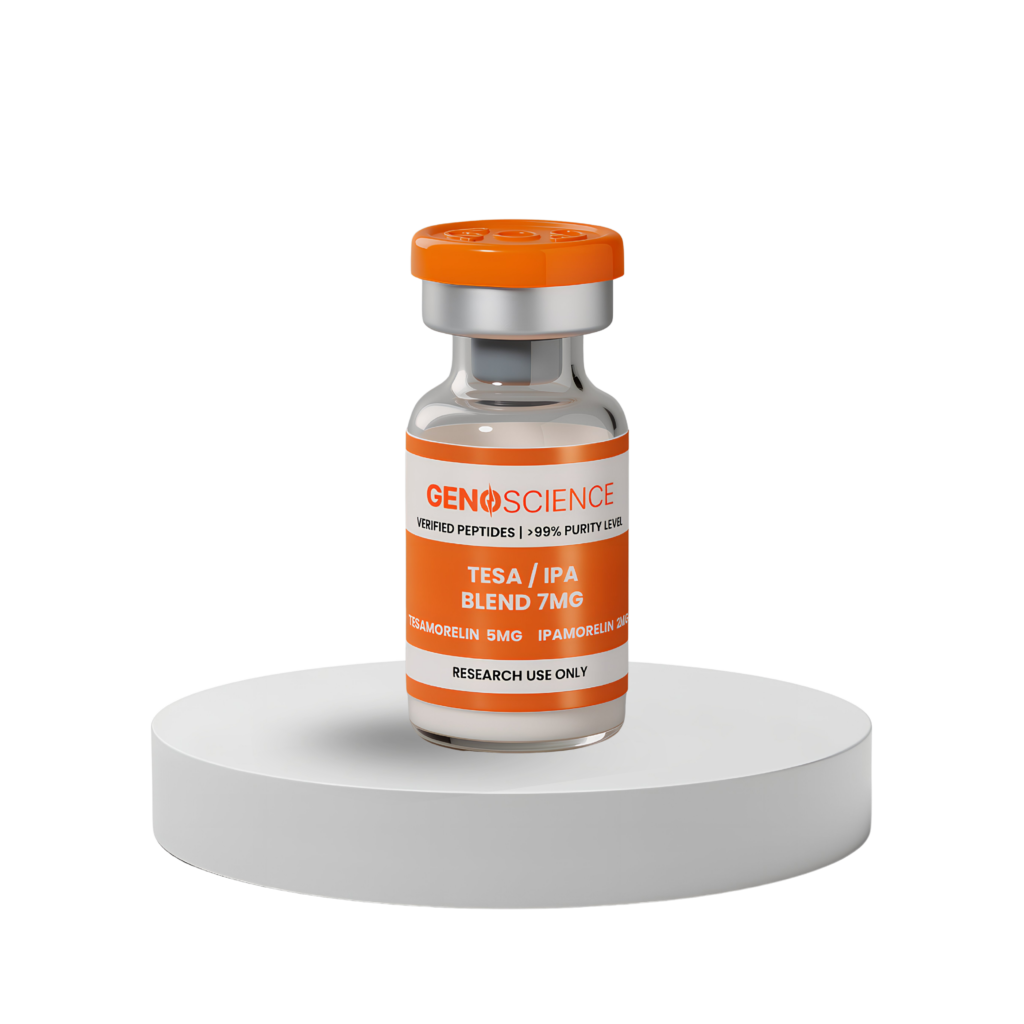
$600.00 Original price was: $600.00.$450.00Current price is: $450.00. / month
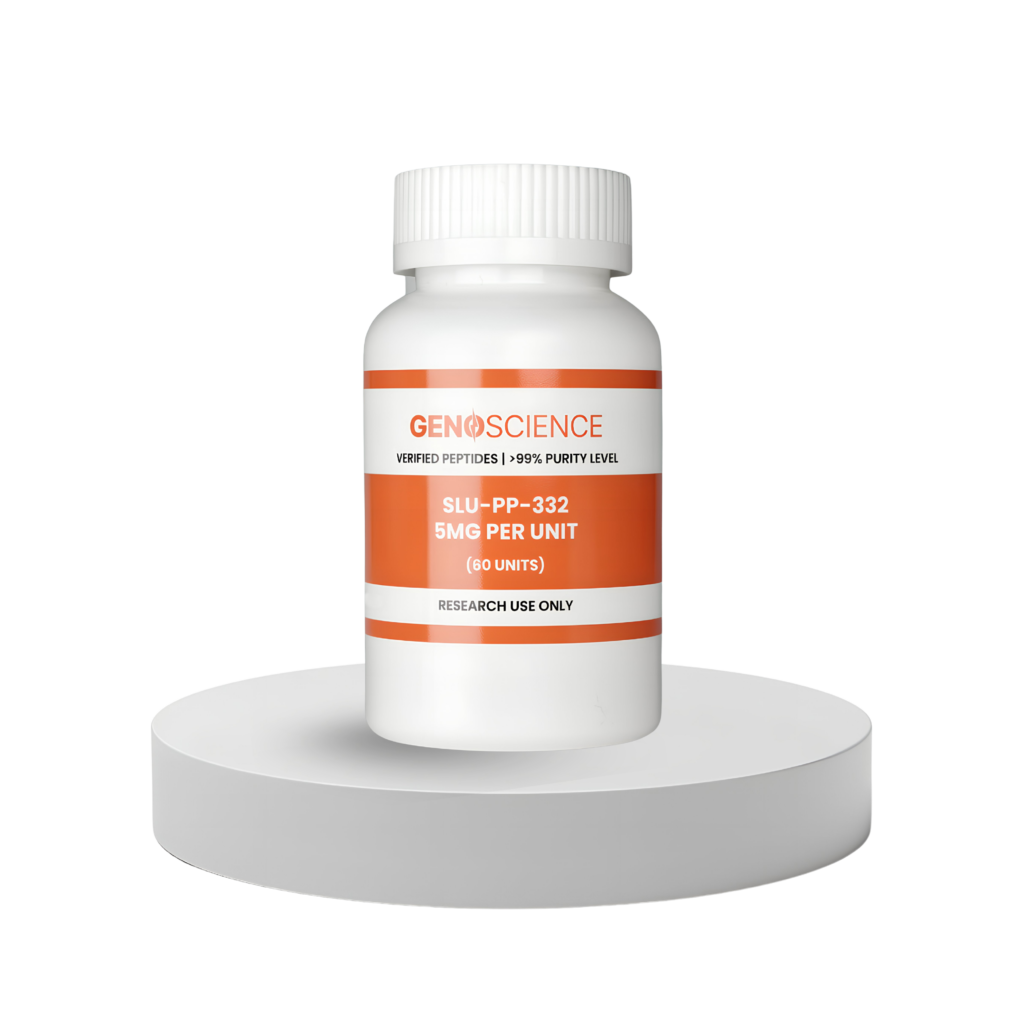
$350.00 Original price was: $350.00.$220.00Current price is: $220.00. / month
$360.00 Original price was: $360.00.$250.00Current price is: $250.00. / month
$400.00 Original price was: $400.00.$250.00Current price is: $250.00. / month
You must be at least 21 years old to enter Genoscience and review products intended for laboratory research use only.
Products are not for human or veterinary use, not for use in diagnostic procedures, and have not been evaluated by the U.S. Food and Drug Administration.