
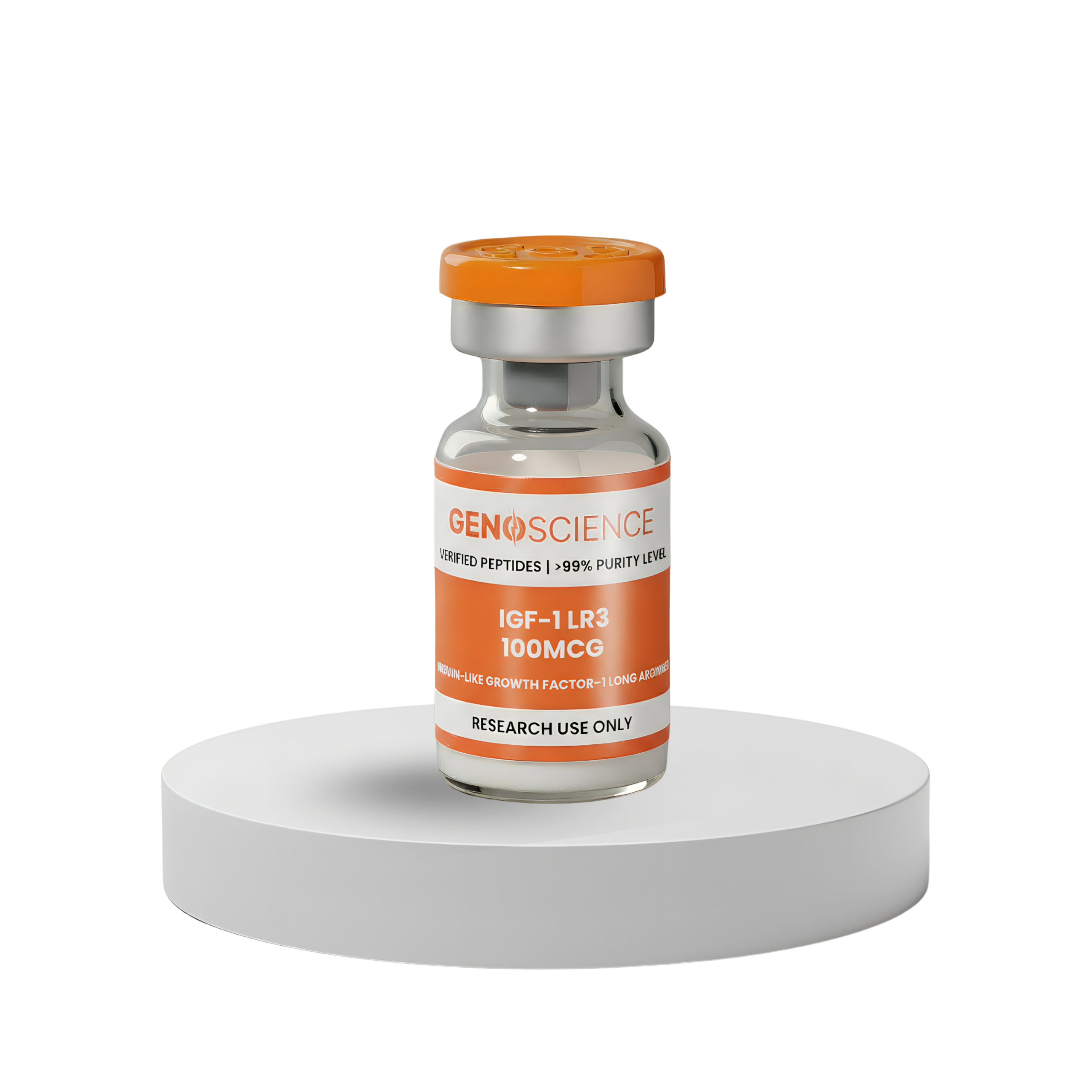




One vial 100 mcg was $45 now $30
Compound: Insulin-Like Growth Factor-1 Long Arginine 3 (IGF-1 LR3)
Amount: 100mcg per vial
Format: Lyophilized Powder
Chemical Classification: Modified Insulin-Like Growth Factor-1 Analog
Chemical Profile: IGF-1 LR3 (Long R3 IGF-1) is an 83-amino-acid analog of human insulin-like growth factor-1. It differs from native IGF-1 through a 13-amino-acid N-terminal extension and an arginine substitution at position 3. These structural modifications are of interest in laboratory research on IGF-binding proteins, receptor interactions, and growth-factor signaling.
Research Use Only. Not for human or veterinary use.
Monthly subscription ten vials of 100 mcg for a total of 1000 mcg was $450 now $275
IGF-1 LR3, also known as Long R3 IGF-1, is a modified analog of insulin-like growth factor-1 (IGF-1), a naturally occurring polypeptide associated with cellular growth-factor signaling.
Native human IGF-1 contains 70 amino acids, while IGF-1 LR3 contains 83. Two structural modifications distinguish this analog:
These modifications alter the peptide’s molecular interactions, particularly its affinity for IGF-binding proteins (IGFBPs), making IGF-1 LR3 a distinct molecular reference in growth-factor research.
| Specification | Details |
|---|---|
| Compound | IGF-1 LR3 |
| CAS Number | 946870-92-4 |
| Synonym | Long R3 IGF-1 |
| Classification | Modified IGF-1 Analog |
| Amino Acid Length | 83 Residues |
| Molecular Weight | Approximately 9.1 kDa |
| Form | Lyophilized Powder |
| Amount | 100mcg per Vial |
| Research Category | Growth Factor & Receptor Signaling |
MFPAMPLSSLFVNGPRTLCGAELVDALQFVCGDRGFYFNKPTGYGSSSRRAPQTGIVDECCFRSCDLRRLEMYCAPLKPAKSA
The differences between native IGF-1 and Long R3 IGF-1 are especially relevant to research on molecular structure, growth-factor binding, and protein interactions.
The extended N-terminus and Arg3 substitution are associated with reduced binding affinity toward certain IGF-binding proteins compared with native IGF-1.
This distinction is an important consideration when interpreting experiments that compare the two molecules.
One of the principal areas of IGF-1 LR3 research involves its interactions with insulin-like growth factor binding proteins.
IGFBPs regulate the availability and distribution of IGF-family ligands within biological systems. The structural modifications present in Long R3 IGF-1 have been investigated for their influence on these binding interactions.
Research involving IGF-1 LR3 provides a way to compare binding-protein affinity between native IGF-1 and modified analogs, particularly in controlled biochemical and cell-culture environments.
IGF-1 LR3 is studied in research involving the insulin-like growth factor 1 receptor (IGF-1R), a receptor tyrosine kinase associated with several intracellular signaling networks.
Research involving IGF-family ligands frequently examines:
These signaling pathways are studied using biochemical assays, cell cultures, and molecular research methods.
Another established area of IGF-1 LR3 research involves protein folding and structural characterization.
Investigators have examined the molecule’s three-dimensional structure, disulfide-bond formation, and conformational behavior using methods including nuclear magnetic resonance (NMR) spectroscopy and mass spectrometry.
Structural studies help characterize how the additional N-terminal residues and Arg3 substitution distinguish Long R3 IGF-1 from native IGF-1.
Research published in the Journal of Biological Chemistry has examined both the solution structure and folding pathways of Long R3 IGF-1.
IGF-related compounds are investigated in cell-culture systems involving growth-factor signaling and binding-protein interactions.
Relevant studies may compare ligand behavior in different experimental environments, including serum-containing and serum-reduced systems.
The distinction between IGF-1 LR3 and native IGF-1 is important because their structural differences may influence observations involving binding proteins and receptor-associated signaling.
Researchers interpreting these studies consider the specific peptide analog, experimental model, and biochemical measurements used.
Certificates of Analysis (COAs) are posted on the product page when available. To request documentation for a specific lot, contact the Genoscience team with the lot number.
For lyophilized IGF-1 LR3, store unopened vials at −20 °C in a dry environment, protected from light and moisture. Allow the sealed vial to reach room temperature before opening to minimize condensation.
Handle using standard laboratory protective equipment and applicable research-facility procedures.
Research Use Only: This product is intended strictly for laboratory research and development.
Not for Human or Veterinary Use: Not intended for human consumption, administration, or veterinary applications.
Not an Approved Medicine: This material is not marketed as an FDA-approved drug or treatment.
Research Limitations: Laboratory and preclinical findings should not be interpreted as established clinical outcomes.
IGF-1 LR3, also called Long R3 IGF-1, is an 83-amino-acid analog of insulin-like growth factor-1 containing an N-terminal extension and an Arg3 substitution.
Native IGF-1 contains 70 amino acids, while IGF-1 LR3 contains 83. Its structural modifications are studied for their influence on IGF-binding protein interactions and molecular signaling.
Genoscience supplies IGF-1 LR3 as 100mcg of lyophilized powder per vial for laboratory research use.
Unopened lyophilized IGF-1 LR3 is generally stored frozen at −20 °C, protected from moisture and light. Follow the product-specific storage documentation when available.
When available, the COA for IGF-1 LR3 100mcg can be found on the product page. You may also contact Genoscience to request a COA or ask about documentation availability for a specific lot.
No. Genoscience sells IGF-1 LR3 strictly for laboratory research purposes. It is not intended for human or veterinary use.
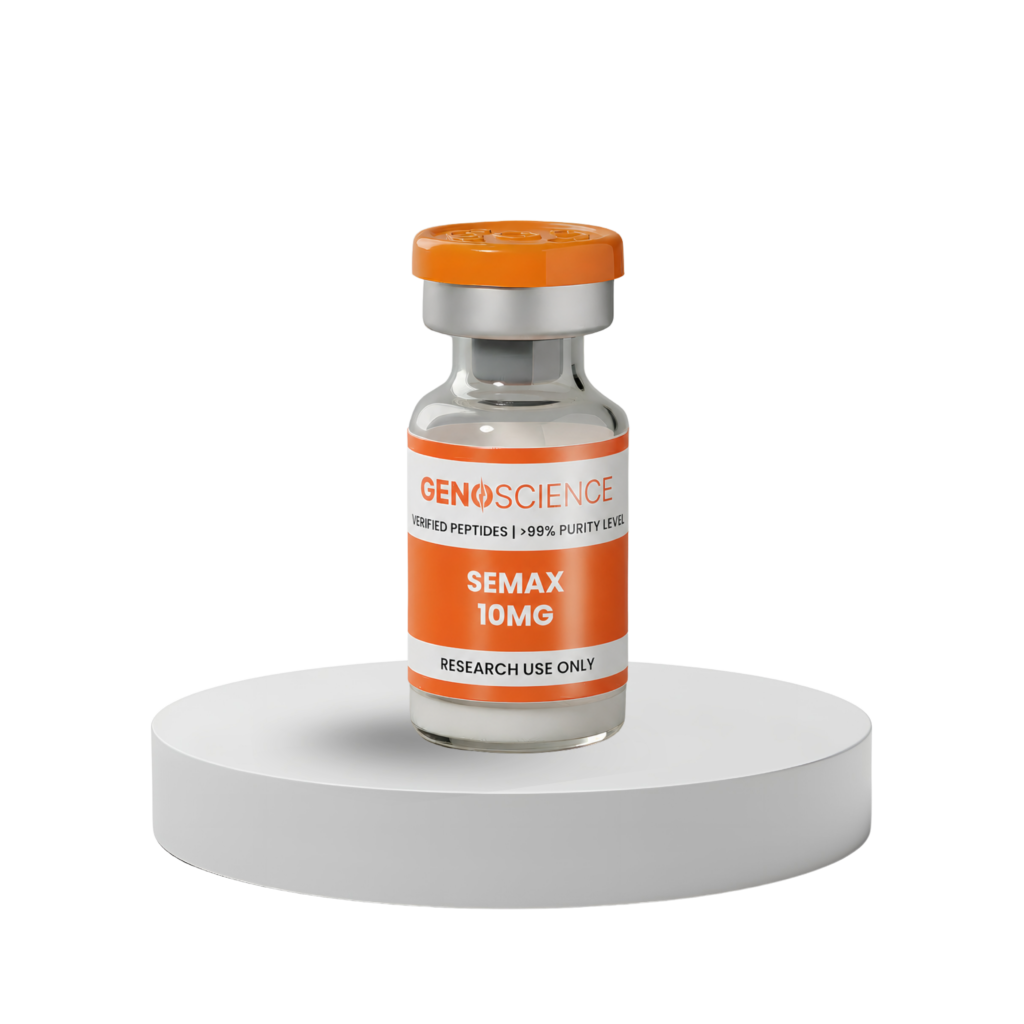
$165.00 Original price was: $165.00.$130.00Current price is: $130.00. / month
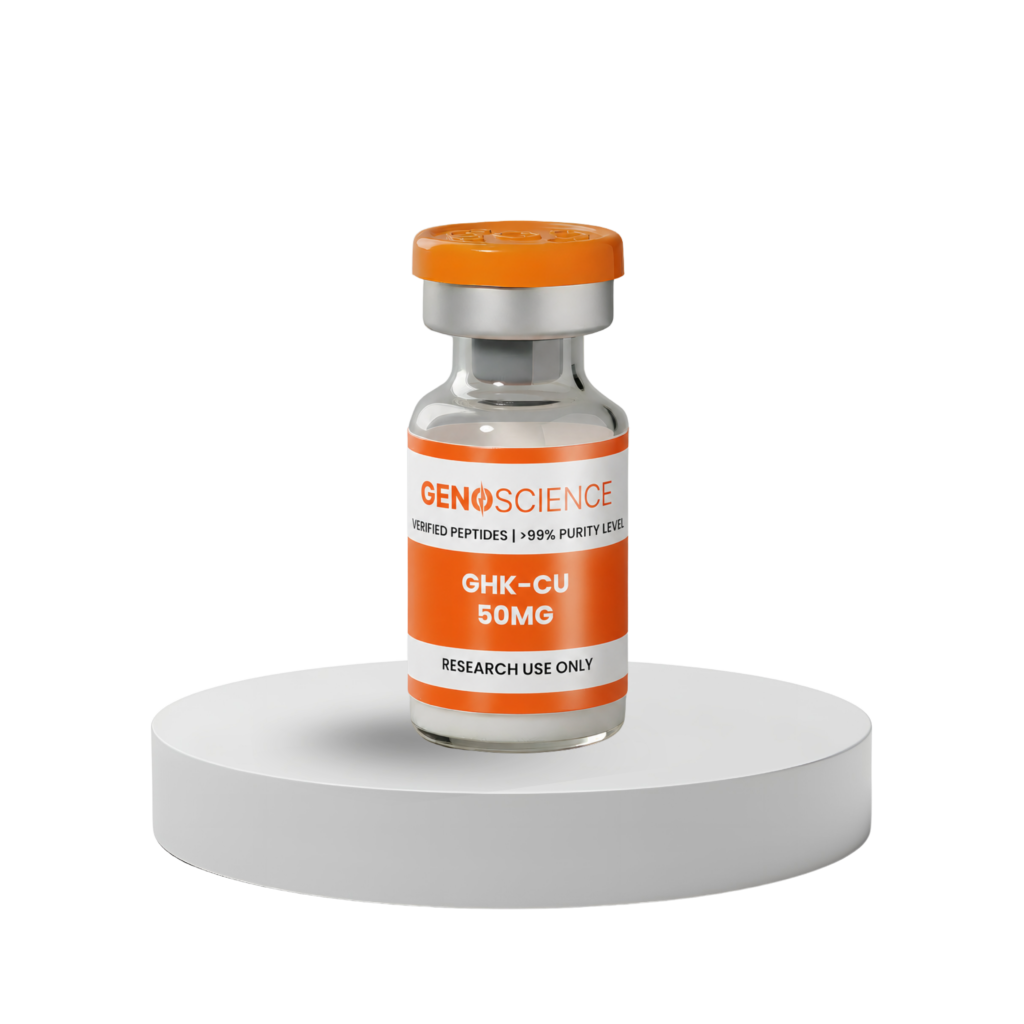
$120.00 Original price was: $120.00.$100.00Current price is: $100.00. / month
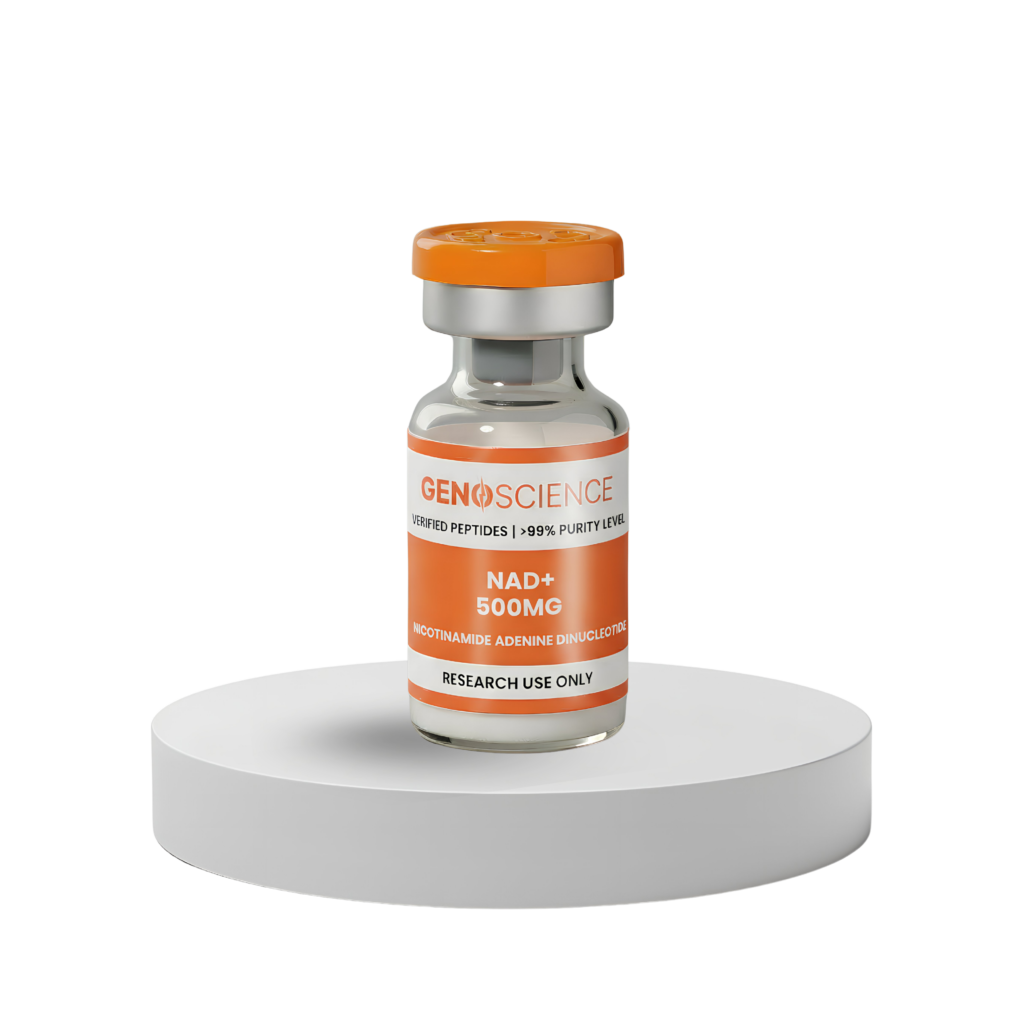
$400.00 Original price was: $400.00.$250.00Current price is: $250.00. / month
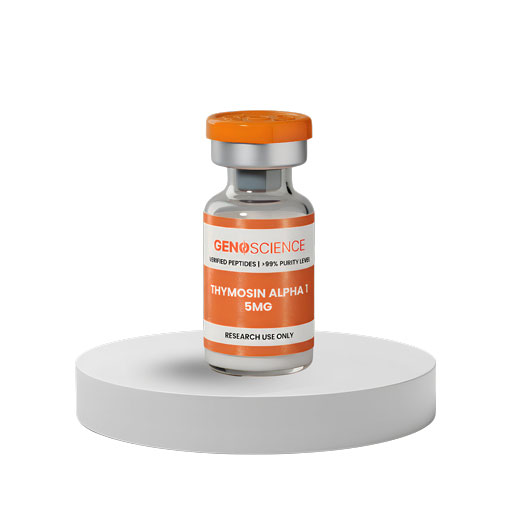
$360.00 Original price was: $360.00.$250.00Current price is: $250.00. / month
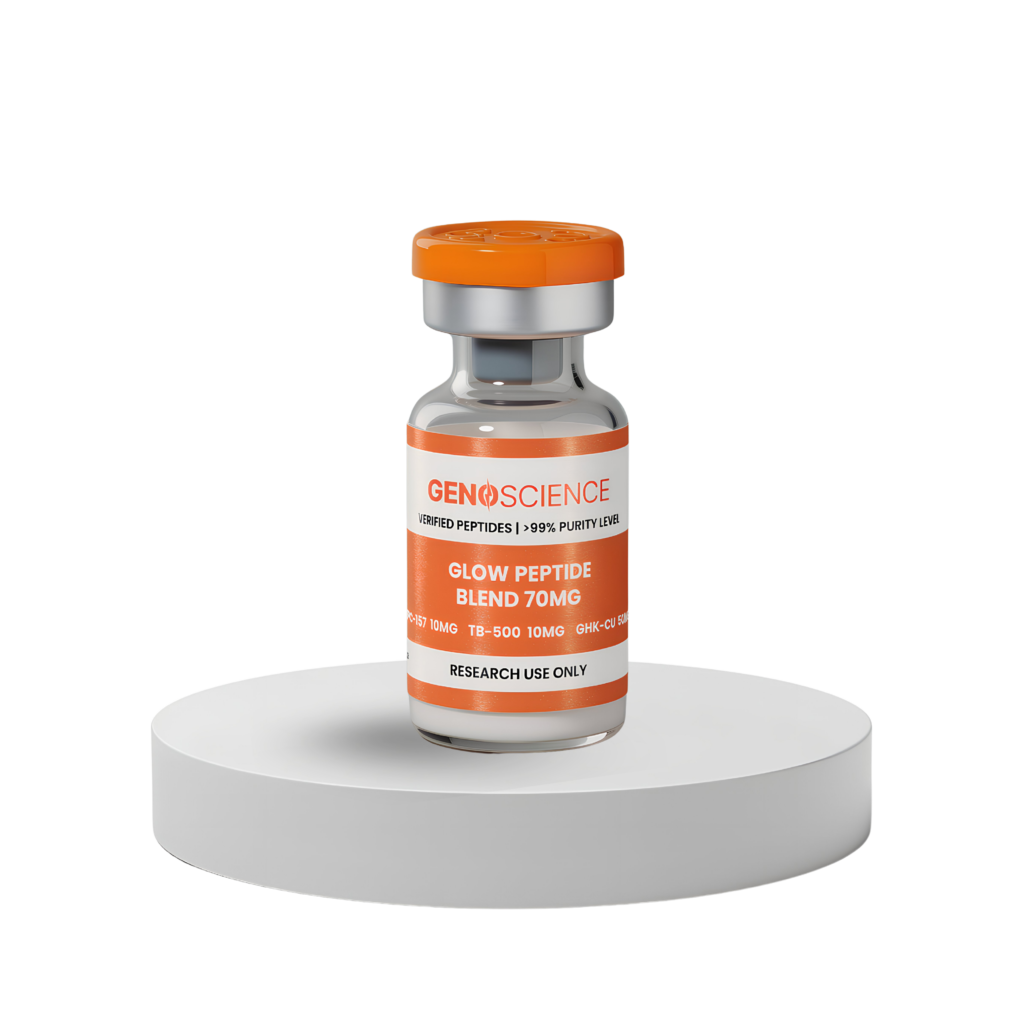
$300.00 Original price was: $300.00.$180.00Current price is: $180.00. / month
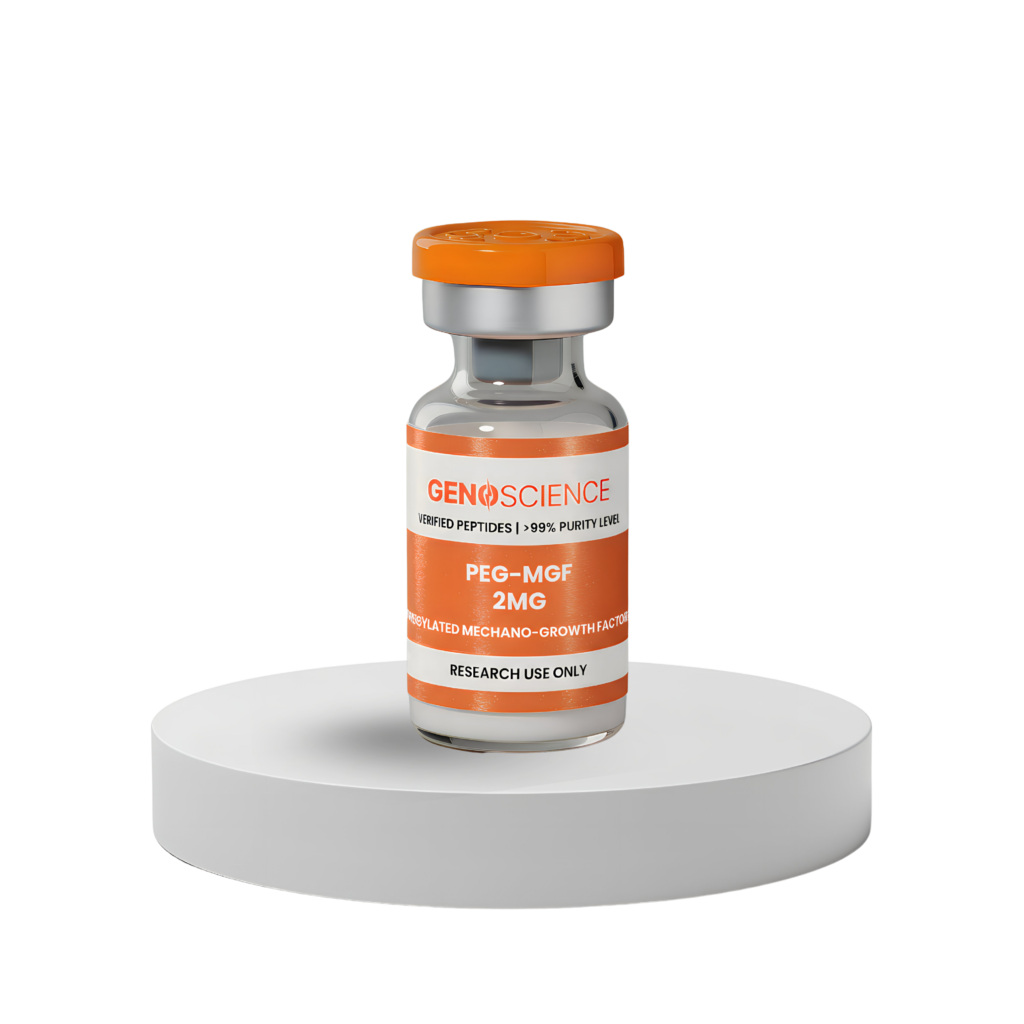
$135.00 Original price was: $135.00.$75.00Current price is: $75.00. / month
You must be at least 21 years old to enter Genoscience and review products intended for laboratory research use only.
Products are not for human or veterinary use, not for use in diagnostic procedures, and have not been evaluated by the U.S. Food and Drug Administration.